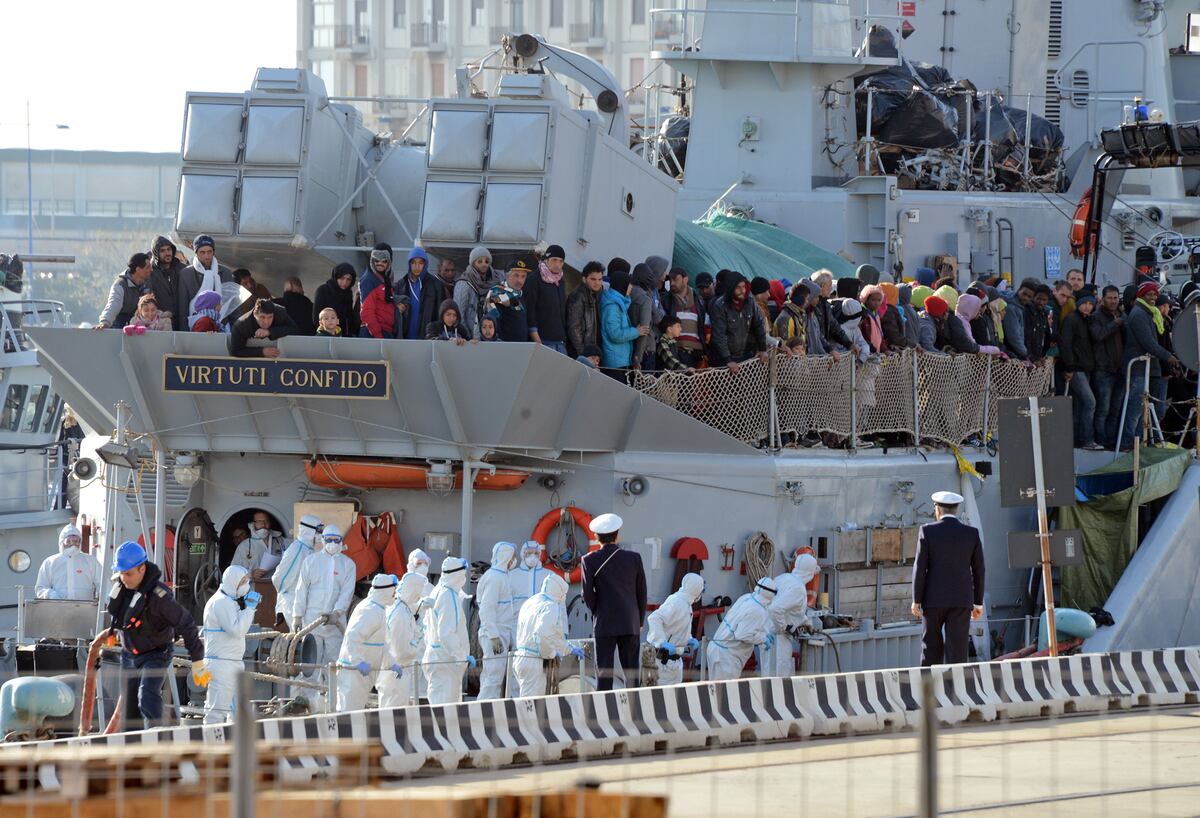
The maritime throat of the world is choking, and Paris and London have decided they’ve seen enough. While Donald Trump’s administration continues its aggressive naval blockade against Iran—a move that’s sent oil prices screaming past $100 a barrel—the United Kingdom and France are quietly building a "Plan B." It’s a gamble that signals the sharpest rift in the Western alliance we’ve seen in decades.
On Friday, April 17, 2026, President Emmanuel Macron and Prime Minister Keir Starmer will co-chair a high-stakes summit in Paris. Their goal? To establish a multinational, purely defensive military operation to reopen the Strait of Hormuz. They aren't asking for Washington’s permission. In fact, they’re actively trying to distance themselves from what UK Chancellor Rachel Reeves recently called the "folly" of Trump’s war strategy.
The split that changed everything
For weeks, the world has watched a chaotic tug-of-war. On one side, you have Trump’s "maximum pressure" 2.0. He’s ordered a total blockade of Iranian ports, vowing to "eliminate" any ship that gets in the way. On the other side, Europe is staring down the barrel of a global recession. The IMF is already warning that the conflict could trigger a "close call" with a total economic collapse.
The friction isn't just about trade; it’s about basic survival. The UK and France are moving because they have to. They see Trump’s blockade as an escalatory firebrand that treats global shipping like a bargaining chip. Starmer and Macron are pitching their mission as "non-belligerent." They want to clear mines, swat down drones, and escort tankers without being sucked into a regime-change war they never asked for.
Why the Strait of Hormuz is the world's most dangerous mile
You can't overstate how much this tiny stretch of water matters. About 20% of the world's oil flows through this narrow passage. When Iran laid mines and used "fast attack" ships to harass tankers earlier this year, the global economy felt the heart attack immediately.
- Energy Security: Without this passage, the UK's cost of living crisis goes from "difficult" to "catastrophic."
- International Law: Europe views the freedom of navigation as a "common good." They believe Trump’s blockade is just as illegal under international law as Iran’s mining operations.
- Military Capability: The UK already has mine-hunting systems and anti-drone tech in the region. They’re ready to go; they just don't want to go under the American flag.
The upcoming Paris summit will bring together what the Elysee calls "non-belligerent countries." We're talking about a coalition that might include Germany, Italy, the Netherlands, and potentially Gulf partners who are terrified of a full-scale regional firestorm.
The high price of a war without an exit plan
The anger in Whitehall is palpable. Rachel Reeves hasn’t held back, publicly slamming the US for entering a conflict without a clear idea of how to end it. It’s a rare, stinging rebuke of a "special relationship" that looks increasingly one-sided.
Trump’s rhetoric—threatening to "annihilate" Iran if the strait doesn't open while simultaneously blocking it himself—has left European diplomats spinning. They’re dealing with a White House that seems to prefer volatility over stability. For the UK and France, the priority is simple: get the oil moving and stop the prices at the pump from destroying their domestic credibility.
The technical reality of the mission
If this "Plan B" goes live, it won't look like a standard carrier strike group operation. Expect a heavy focus on:
- Minesweeping: Clearing the literal "iron seeds" Iran has sown in the deep-water channels.
- Technical Surveillance: Using advanced drone swarms to monitor Iranian "fast boat" activity without firing the first shot.
- Escort Channels: Creating a protected "blue corridor" for commercial tankers that is strictly separated from US military zones.
What happens next for the alliance
This is more than a naval mission; it’s a divorce. By creating an independent military framework, the UK and France are telling the world that they no longer trust American leadership to safeguard global trade.
The NATO alliance is already feeling the strain. Trump has previously called the organization a "paper tiger," and this move by London and Paris is the most significant European military assertion since the start of the Iran conflict on February 28. If the Paris summit succeeds on Friday, we could see a permanent shift where Europe takes full responsibility for its own energy security, leaving Washington to play its own game of shadows.
If you're watching your local fuel prices or your retirement fund, keep your eyes on Paris this Friday. The "Plan B" being hammered out there is the only thing standing between the current chaos and a total global shutdown.
Watch these three signs in the coming days:
- Whether the UAE and Saudi Arabia officially join the European coalition.
- If the US Navy attempts to interfere with European minesweeping operations.
- The specific wording of the "Paris Declaration" regarding the legality of the US blockade.
The era of Europe waiting for the US to lead in the Middle East is over. They’re taking the helm because they simply can't afford not to.