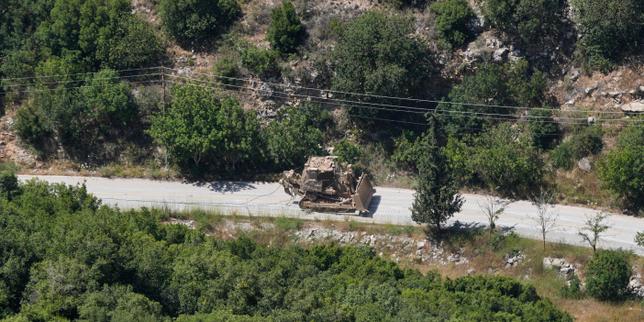
The border region between Israel and Lebanon is facing its most severe crisis in years. Recent cross-border strikes resulted in four deaths following targeted Israeli bombardments in southern Lebanon. This marks a dangerous shift in the conflict. While global attention often shifts between different geopolitical flashpoints, the reality on the ground in the Levant is turning into a full-scale war of attrition that could spark a broader regional explosion at any moment.
People want to know if this means a total war is inevitable. The short answer is that both sides are actively preparing for it, even if they claim they want to avoid it. The recent casualties in southern Lebanon aren't just statistics. They represent a steady, deliberate expansion of the rules of engagement. If you've been following the news, you know the situation is volatile. But the standard media coverage misses the strategic calculations driving this specific uptick in violence.
Why the Recent Southern Lebanon Bombardments Matter Now
The strike that claimed four lives in southern Lebanon fits into a broader Israeli military strategy aimed at pushing Hezbollah forces away from the Blue Line. This UN-demarcated border has been a flashpoint for decades. Israel's stated goal is clear. They want to ensure the safe return of tens of thousands of displaced Israeli citizens to northern communities.
Hezbollah refuses to back down. The group links its operations directly to the ongoing conflict in Gaza. Security analysts from organizations like the International Crisis Group note that this tit-for-tat dynamic has broken past previous geographic limits. We aren't just seeing exchanges of fire within a three-kilometer border zone anymore. Israeli jets are striking deep into Lebanese territory, targeting infrastructure in places like the Bekaa Valley and southern coastal cities, while Hezbollah launches advanced drones deeper into Galilee.
The escalation path is non-linear. It looks like this:
- Precision drone strikes target specific military commanders.
- Retaliatory rocket barrages hit civilian and military infrastructure.
- Heavy artillery flattens border villages to create a de facto buffer zone.
- Air superiority allows deep reconnaissance and targeted assassinations.
The Human Cost and the Ghost Towns
Walk through the villages of southern Lebanon or northern Israel today and you will find ghost towns. Over 90,000 people have been displaced from southern Lebanon alone according to the United Nations Office for the Coordination of Humanitarian Affairs (OCHA). On the other side of the border, the Israeli government has evacuated a similar number of residents from Upper Galilee.
The economic destruction is absolute. Farmers can't harvest their olives. White phosphorus munitions have scorched thousands of hectares of agricultural land in Lebanon, ruining soil for years to come. In northern Israel, small businesses are going bankrupt because the local population is living in hotels in Tel Aviv or Jerusalem. This isn't a temporary disruption. It is the systemic dismantling of border economies.
The international community keeps pushing for a diplomatic solution. US envoy Amos Hochstein has traveled back and forth between Beirut and Jerusalem trying to broker a deal. The proposed framework relies on implementing UN Security Council Resolution 1701. That resolution requires Hezbollah to withdraw its armed presence north of the Litani River. But let's be realistic. Hezbollah won't withdraw from the very villages where its members live and grew up.
Weapons Technology is Rewriting the Rules
This isn't the 2006 war. The technology deployed in southern Lebanon has completely changed the strategic math. Hezbollah has unveiled explosive suicide drones that bypass Israel's Iron Dome air defense system by flying low through mountainous terrain. They also use Russian-made Kornet anti-tank guided missiles with devastating precision against military outposts.
Israel uses vast intelligence networks and AI-driven targeting systems. The Israel Defense Forces (IDF) can pinpoint moving vehicles and specific apartments in real-time. This explains the high precision of the strikes that killed the four individuals in the south. It also means civilians have zero margin for error. If you are near a suspected asset, you are in immediate danger.
The risk of miscalculation is the highest it has been in twenty years. A single stray rocket hitting a school or a hospital on either side could trigger the ground invasion everyone says they want to prevent. Military planners are already looking past diplomatic rhetoric. The IDF has conducted large-scale exercises simulating a ground maneuver into Lebanon, while Hezbollah leaders openly boast about their arsenal of over 150,000 rockets.
Navigating the Volatile Security Environment
If you have family in Lebanon or are trying to analyze the situation safely, you need to look past the daily headlines. Monitor verified local news outlets like L'Orient-Le Jour or the National News Agency for real-time road closures and strike locations. Avoid the border regions entirely, specifically areas south of the Litani River like Naqoura, Bint Jbeil, and Khiam. Keep your communication lines open and ensure you have secondary power sources, as the Lebanese power grid remains notoriously unreliable during military escalations. The situation will get worse before it gets any better, and staying informed through credible, non-partisan sources remains your best defense.