The border between Pakistan and Afghanistan is on fire, and the consequences are spilling far beyond the region.
When Pakistani jets cross the border into Afghanistan, it isn't just another localized skirmish. It's a dangerous escalation in an ongoing conflict that has already claimed hundreds of lives, displaced thousands of families, and destabilized an already volatile piece of the map.
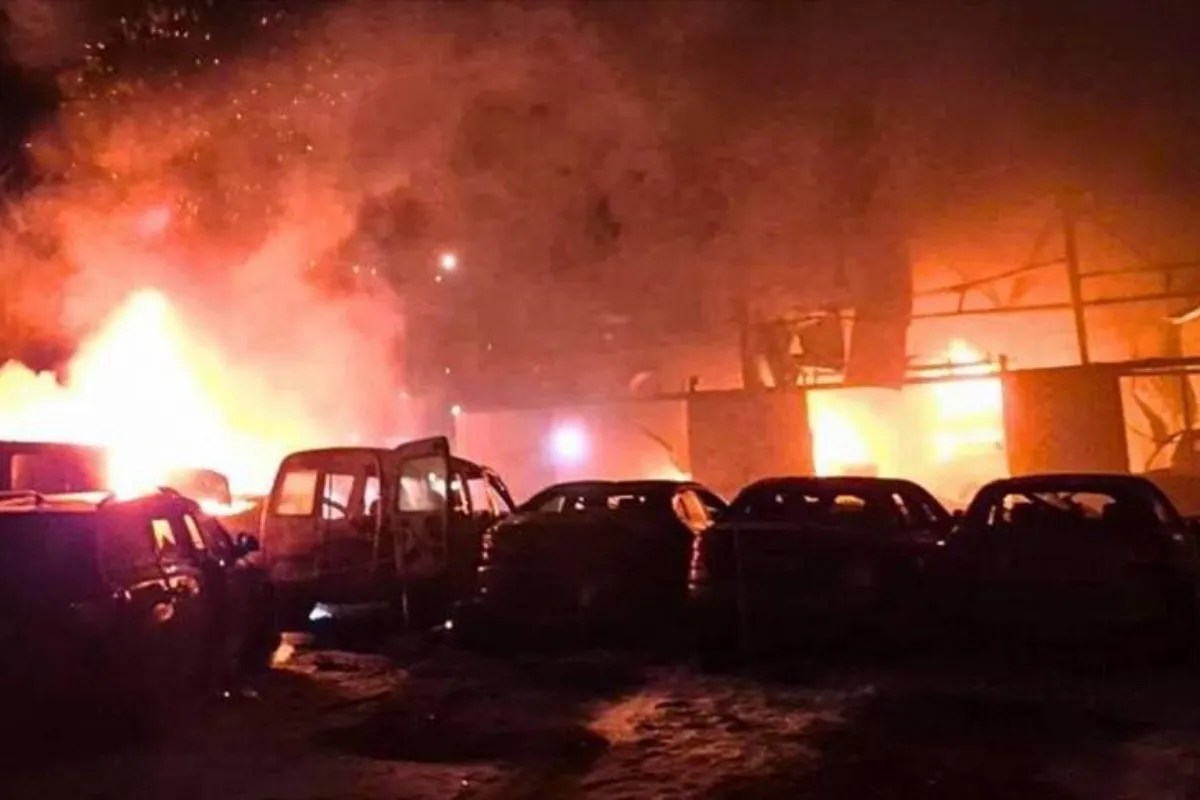
The immediate trigger for the latest wave of panic was a devastating series of cross-border operations. Following intense political friction and regular militant ambushes, the situation reached a boiling point when targeted strikes left 19 people dead in Khost and Paktika provinces. While Kabul claims the victims were innocent civilians, Islamabad maintains it hit high-value militant assets.
If you think this is just a regional dispute over a map line, you're missing the bigger picture.
The Breaking Point of a Fractured Relationship
For decades, Pakistan and Afghanistan played a complex game of proxy politics. When the Taliban took control of Kabul in 2021, Islamabad expected a friendly neighbor willing to secure its western flank. Instead, they got a security nightmare.
The core issue comes down to one entity: the Tehrik-i-Taliban Pakistan (TTP), also known as the Pakistani Taliban.
Islamabad has repeatedly accused Kabul of giving the TTP a safe haven. From these border sanctuaries, TTP fighters launch deadly hit-and-run attacks against Pakistani security posts and civilian centers. Tensions regularly explode into overt warfare. For instance, following a string of major suicide bombings in early 2026—including a devastating blast at an Islamabad mosque—Pakistan decided it had enough. The resulting retributive airstrikes hit dozens of locations across eastern Afghanistan, permanently shattering any illusion of regional brotherhood.
Kabul isn't taking this sitting down. Every time Pakistani ordnance lands on Afghan soil, the Taliban-led Ministry of Defense strikes back with heavy border artillery and mortar fire. It's an endless loop of violence.
What Both Sides Claim vs the Ground Reality
Getting reliable data out of a conflict zone is nearly impossible, but comparing the narratives reveals how deep the animosity runs.
- The Pakistani Position: Islamabad insists its military campaigns are highly selective, intelligence-based operations. They target isolated camps used by the TTP and Islamic State-Khorasan (ISIS-K). According to Pakistani officials, their operations successfully dismantle terror infrastructure, eliminate hundreds of combatants, and protect sovereign Pakistani lives from cross-border incursions.
- The Afghan Position: Taliban spokesmen like Zabihullah Mujahid paint a completely different picture. Kabul routinely accuses Pakistan of violating its airspace to deliberately target civilian infrastructure. They point to destroyed residential quarters, flattened markets, and civilian casualties—heavily comprised of women and children—as evidence of war crimes.
Independent monitors, including the United Nations Assistance Mission in Afghanistan (UNAMA), confirm a tragic reality. Hundreds of Afghan civilians have been killed or injured by cross-border shelling and aerial bombings. Entire families have been wiped out in places like the Bihsud district of Nangarhar.
The humanitarian fallout is staggering. The UN Refugee Agency (UNHCR) reports that over 115,000 Afghan civilians have been forced to flee their homes along the border, packing up whatever they can carry to escape the rain of rockets.
The Economic Iron Curtain
The war isn't just being fought with bombs and bullets. It's destroying the livelihood of ordinary traders on both sides of the Durand Line.
Whenever fighting flares up, Pakistan shuts down critical border crossings, including the massive Torkham and Chaman transit points. These aren't just gates; they are economic lifelines.
When these trade routes close, hundreds of trucks loaded with perishable goods—fruits, vegetables, and medicine—sit rotting under the sun. For landlocked Afghanistan, these closures amount to economic strangulation. Regional powers like India have even raised the issue at the UN Security Council, calling the aggressive border closures a form of transit terrorism that hurts innocent populations.
Why This Conflict Affects Global Security
It's easy to look at the map and assume this won't impact your daily life, but regional instability has a way of traveling fast.
First, a full-scale war between a nuclear-armed nation (Pakistan) and a heavily armed militant regime (the Taliban) is an absolute worst-case scenario for global defense analysts. If the Pakistani military gets stretched thin defending its western border, it creates massive security vacuums inside its own borders. That's a golden opportunity for transnational terror networks to thrive.
Second, a crumbling economy and constant bombardment create refugees. The more unstable Afghanistan becomes, the greater the pressure on global migration channels, affecting neighboring countries and European nations alike.
Navigating the Immediate Fallout
The path to de-escalation looks incredibly steep right now. Temporary ceasefires are occasionally brokered, but they rarely last longer than a few weeks before another cross-border raid triggers a fresh round of retaliation.
If you are tracking this situation for geopolitical risk, international trade, or humanitarian reporting, you need to watch three critical indicators over the coming weeks:
- Border Post Status: Keep an eye on whether major commercial crossings like Torkham remain sealed or reopen for civilian transit. Continuous closure means a winter humanitarian crisis is almost guaranteed.
- TTP Activity: Watch for retaliatory insurgent strikes within Pakistan’s major cities, which usually serve as the green light for the Pakistani Air Force to launch fresh sorties into Afghanistan.
- Diplomatic Backchannels: Monitor the involvement of regional brokers like China, Qatar, or Saudi Arabia. Since direct communication between Islamabad and Kabul has broken down into public shouting matches, any real truce will have to be forced by outside economic benefactors.
The days of viewing the border friction as a minor border dispute are over. It's a volatile, shifting theater of war that requires close attention.