Justice sounds heavy. In Myanmar, it currently sounds like absolute silence. When you look at Rakhine State today, you aren't just looking at the aftermath of civil war or a standard ethnic conflict. You are looking at a deliberate attempt to rewrite history by emptying a land of its people.
People ask what accountability looks like when an entire population vanishes. The brutal truth is simple. You can't have justice without the people who were wronged standing right there to demand it.
Right now, the military junta and various armed factions are carving up a depopulated landscape. If no Rohingya are left to claim their homes, rebuild their mosques, or speak their mother tongue in Sittwe or Maungdaw, who wins? The perpetrators win. They secure stolen land, erase a culture, and set a terrifying precedent for ethnic cleansing across the globe.
Let's cut through the diplomatic doublespeak. The International Court of Justice has cases pending. UN reports pile up by the thousands. Yet, the physical reality on the ground moves in the exact opposite direction. Every month thousands more Rohingya risk their lives on leaky wooden boats crossing the Andaman Sea. They flee toward Bangladesh, Indonesia, and Malaysia because staying home means facing forced conscription by the very military that tried to slaughter them, or getting caught in the crossfire of the Arakan Army's offensive.
This isn't an accident. It's a system at work.
The Geography of Erasure
You can't understand the crisis without looking at the map. Rakhine State sits on Myanmar's western coast, facing the Bay of Bengal. For centuries, it was a multi-ethnic zone where Buddhists and Muslims lived side by side, despite deep historical tensions.
That coexistence is gone.
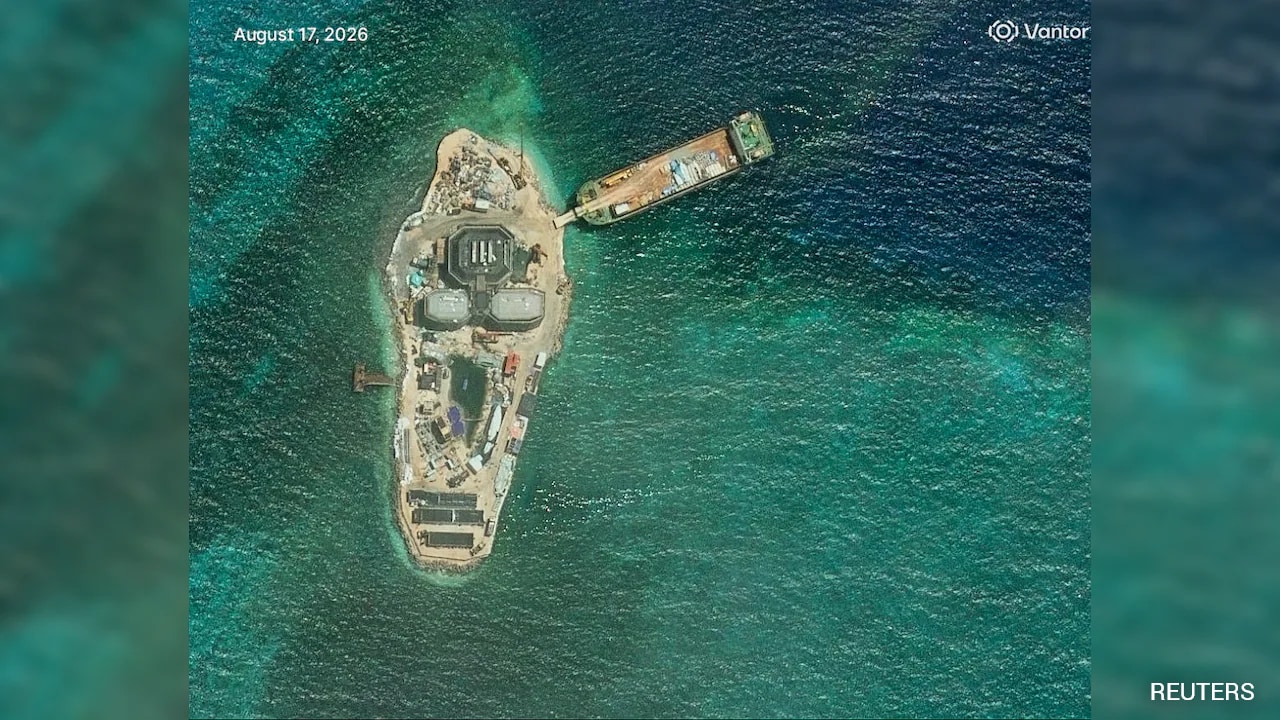
Since the 2017 military operations that forced over 700,000 Rohingya across the border into Cox's Bazar, the state machinery hasn't slowed down. Land ownership records have been altered. Destroyed villages have been bulldozed and paved over with new military bases or government infrastructure.
When you bulldoze a village, you aren't just destroying houses. You are destroying evidence. You are making sure that even if a miracle happens and refugees want to return, there is nothing left to return to. Their mango trees are gone. Their wells are filled in. Their ancestral graveyards are paved roads.
The 1982 Citizenship Law remains the ultimate weapon here. It stripped the Rohingya of their nationality, turning millions into stateless ghosts in their own birthplace. Without citizenship, you have no legal right to own land, travel freely, work legally, or send your kids to university. You become invisible. And it's much easier to mistreat someone who legally doesn't exist.
Who Profits From an Empty Land?
Follow the money and the power. Myanmar's military, known as the Tatmadaw, has spent decades using Rakhine State as a cash cow and a geopolitical chess piece. Natural gas pipelines run through the region straight to China. Ports and deep-sea infrastructure projects worth billions are anchored along the coast.
An active, vocal, organized Rohingya population is inconvenient for these mega-projects. They demand rights. They demand compensation for seized land. They demand environmental protections.
By pushing them out, the state clears the board.
Even the anti-junta resistance forces, including the powerful Arakan Army, have complicated records on this issue. While they fight the hated central military government, many Rakhine nationalists share the same hostile view of the Rohingya identity. They worry that granting Rohingya equal rights means losing demographic and political control over their own state.
So you have a perverse alignment of interests. The military wants them gone for security and resource control. Local nationalists want them gone for ethnic purity. The international community offers sternly worded statements, while regional neighbors push refugee boats back out to sea.
Nobody wants them. That is the core tragedy.
What Accountability Actually Requires
Real justice isn't a press release from Geneva. It isn't a vague sanction package against a shell company owned by a general's cousin.
If we are serious about justice in Myanmar, it requires three non-negotiable steps.
First, full citizenship rights must be restored unconditionally. The 1982 Citizenship Law needs to be thrown in the trash. You cannot build a democratic future on a foundation of legal apartheid. If you were born there, your parents were born there, and your community has roots going back generations, you belong. Period.
Second, property restitution must happen. The land grabs orchestrated by the military and local elites over the last decade must be reversed. People need their deeds back. They need title to their ancestral homes, and they need international guarantees for their physical safety upon return.
Third, universal jurisdiction and independent tribunals must prosecute the architects of the clearance operations. Senior generals like Min Aung Hlaing shouldn't be traveling to international summits; they belong in a courtroom in The Hague answering for genocide and crimes against humanity.
Without these steps, any talk of a post-junta democratic transition in Myanmar is a fraud. You cannot claim to build a free country while keeping one million of its former citizens locked in open-air mega-camps in Bangladesh or drowning in the ocean.
The Cost of Looking Away
The world loves to move on. New wars break out. Inflation spikes. Elections happen.
If the Rohingya disappear entirely from Myanmar—through forced assimilation, attrition in refugee camps, or violent expulsion—it sends a green light to authoritarian regimes everywhere. It proves that total demographic erasure works. It proves that if you are brutal enough, patient enough, and systemic enough, you can wipe an entire people off the map and face nothing more than temporary diplomatic embarrassment.
That's the stakes.
Justice isn't just about the Rohingya anymore. It's a test case for whether international law has any teeth left at all, or if borders and guns are the only things that matter in the twenty-first century.
Look at the camps in Bangladesh. Listen to the refugees whispering about home. The people are still fighting to exist. As long as they refuse to vanish, the rest of us don't get to look away.