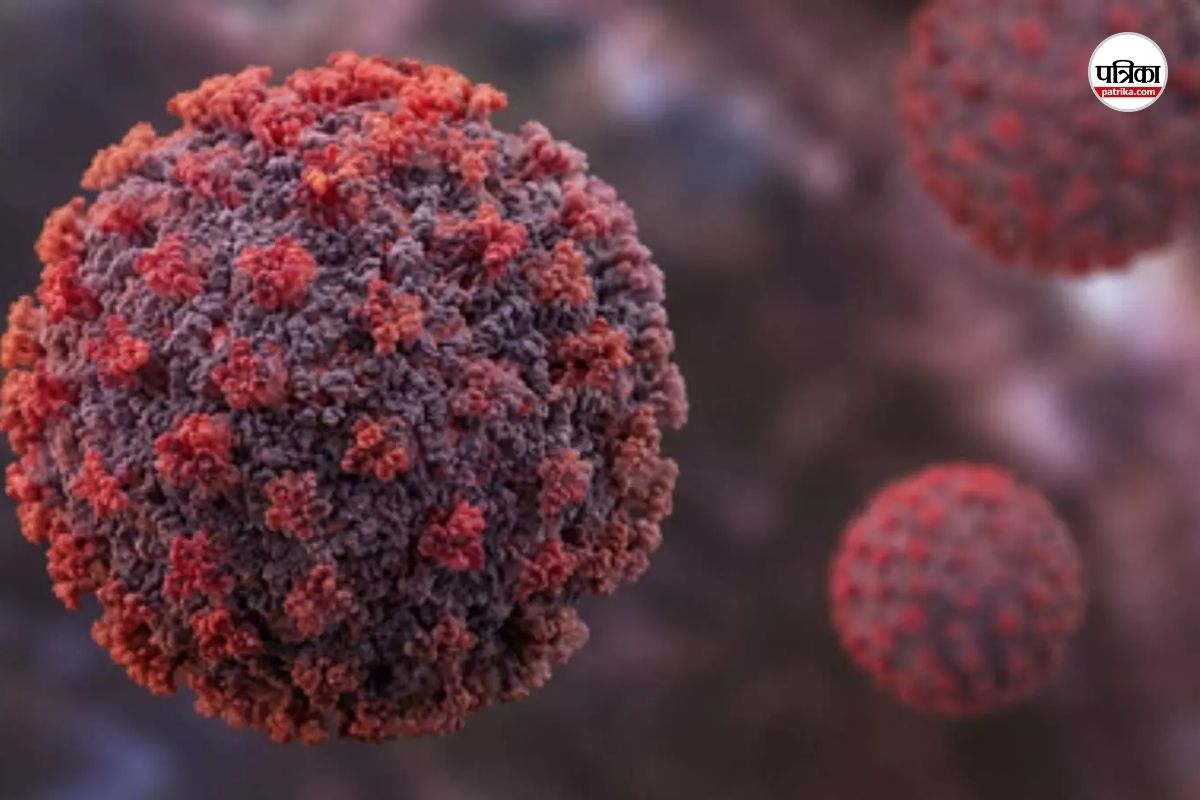
The traditional epidemiological model of Hantavirus evaluation isolates the pathogen as a strictly zoonotic threat, functioning through a direct rodent-to-human transmission vector. This model is obsolete. Recent data and epidemiological assessments by global health authorities, including the World Health Organization (WHO), confirm that Hantavirus strains—specifically noted in observational data regarding the Andes variant—possess the biological capacity for inter-human transmission. Relying solely on rodent eradication strategies creates a systemic blind spot in public health containment infrastructure. Managing this threat requires a precise understanding of the virus's mutational vectors, secondary transmission mechanics, and the specific environmental triggers that accelerate human-to-human spillover.
The Tripartite Transmission Framework
To quantify the risk of Hantavirus expansion, the transmission network must be broken down into three distinct, interconnected vectors. Each vector operates under different environmental constraints and requires separate containment protocols. If you found value in this post, you should check out: this related article.
[Primary Vector: Rodent-to-Human] ──> Excreta Inhalation (Aerosolized)
                                        │
                                        ▼
[Secondary Vector: Human-to-Human] ──> Close Contact / Nosocomial Settings
                                        │
                                        ▼
[Tertiary Vector: Environmental]   ──> Anthropogenic Encroachment & Climate
1. The Primary Zoonotic Cascade
The baseline transmission of Hantavirus occurs through the inhalation of aerosolized viral particles derived from the excreta (urine, feces, and saliva) of infected rodents, primarily from the Muridae and Cricetidae families. This vector is highly dependent on micro-environmental conditions. Dry, poorly ventilated spaces optimize particle suspension, allowing the virus to remain viable in the air for extended periods.
2. The Secondary Inter-Human Vector
The critical shift in Hantavirus epidemiology introduces human-to-human transmission. Unlike highly volatile respiratory viruses, this secondary vector operates primarily through prolonged, close interpersonal contact or nosocomial (hospital-acquired) environments. The mechanism involves the exchange of bodily fluids or deep respiratory droplets during the acute febrile phase of the illness. This changes the risk profile from a localized rural hazard to a potential cluster-driven urban threat. For another angle on this event, refer to the latest update from National Institutes of Health.
3. The Tertiary Environmental Accelerant
Climatic fluctuations and human land-use patterns dictate the intersection rate between the primary and secondary vectors. Deforestation, rapid urbanization, and agricultural expansion disturb natural rodent habitats, forcing vector populations into higher density configurations within human peridomestic spaces. This ecological compression increases the baseline viral load in the environment, subsequently raising the probability of an initial human infection that can trigger secondary transmission chains.
Pathophysiological Mechanics and Clinical Bottlenecks
Hantavirus manifests in two primary clinical syndromes: Hantavirus Pulmonary Syndrome (HPS) and Hemorrhagic Fever with Renal Syndrome (HFRS). The diagnostic and therapeutic bottleneck lies in the non-specific nature of the early prodromal phase.
During the initial 1 to 5 days, symptoms are indistinguishable from standard influenza or dengue fever, featuring fever, myalgia, and profound fatigue. This clinical ambiguity delays isolation protocols, directly increasing the window of opportunity for secondary human-to-human transmission within households and clinical triage areas.
The transition to the cardiopulmonary or renal phase is rapid, often occurring within hours. In HPS, the virus targets the endothelial cells of the pulmonary vasculature, causing systemic capillary leakage. This leads to bilateral diffuse pulmonary edema and cardiovascular collapse, resulting in mortality rates that historically hover between 35% and 50%.
Because no specific antiviral therapy exists, patient survival depends entirely on early detection and aggressive supportive care, such as open-lung protective mechanical ventilation or Extracorporeal Membrane Oxygenation (ECMO).
Structural Deficiencies in Current Public Health Architecture
Standard containment protocols fail because they are designed for stable, predictable zoonotic events rather than adaptive, vector-shifting pathogens. The systemic vulnerabilities can be mapped across three operational areas.
Surveillance Asymmetry
Current monitoring systems track rodent population density and viral seroprevalence within wildlife reservoirs. While valuable for predicting seasonal spikes, this data fails to track real-time human clusters. When a human-to-human transmission event occurs, the surveillance system treats the cases as independent zoonotic exposures rather than a linked transmission chain, delaying targeted quarantine measures.
Nosocomial Vulnerability
Rural healthcare facilities, which typically receive the first wave of Hantavirus patients due to geographic proximity to rodent reservoirs, routinely lack the negative-pressure isolation infrastructure necessary to contain potential respiratory or droplet-borne secondary vectors. This infrastructure gap turns local clinics into amplification points, putting healthcare workers and other patients at immediate risk.
Diagnostic Latency
Confirming a Hantavirus infection requires serological testing (ELISA for IgM and IgG antibodies) or Real-Time Polymerase Chain Reaction (RT-PCR) assays. The centralized nature of these testing facilities introduces a logistical lag of 48 to 72 hours from sample collection to result delivery. During this window, the patient remains in standard care settings, compounding the risk of close-contact exposure to auxiliary staff and family members.
Strategic Protocols for Targeted Containment
Mitigating a dual-vector pathogen requires a dual-track strategy that addresses both the ecological source and the human transmission interface simultaneously.
SURVEILLANCE & DIAGNOSTICS
├── Deploy decentralized RT-PCR assays at district levels
└── Implement contact-tracing for all confirmed febrile cases in known hotspots

CLINICAL MANAGEMENT
├── Enforce immediate respiratory and droplet isolation upon prodromal suspicion
└── Mandate full Personal Protective Equipment (PPE) for healthcare personnel

ENVIRONMENTAL CONTROL
├── Establish automated rodent-barrier zones around urban fringes
└── Conduct systematic seroprevalence sampling of peridomestic rodent populations
The first priority is the deployment of decentralized diagnostic capabilities. Moving RT-PCR testing from centralized national laboratories to regional district hospitals reduces the diagnostic latency from days to hours. This shift allows clinicians to implement strict isolation protocols before the patient enters the highly infectious cardiopulmonary phase.
The second priority is the immediate modification of clinical triage protocols in endemic zones. Any patient presenting with acute febrile illness accompanied by unexplained thrombocytopenia (low platelet count) must be placed in immediate respiratory and droplet isolation. This protocol must be enforced prior to serological confirmation, treating the case as a potential human-to-human vector by default.
The third priority involves targeted environmental engineering. Rather than broad chemical rodent eradication, which often causes ecological rebounds, municipal authorities must enforce structural exclusion zones in peridomestic environments. This requires sealing building foundations, optimizing waste management systems to eliminate food sources, and maintaining cleared buffer zones between natural wilderness areas and human habitations to reduce contact rates.
Risk Assessment Framework for Localized Outbreaks
To determine the appropriate scale of response, public health officials must evaluate localized outbreaks against specific operational variables.
| Variable | Low-Risk Profile | High-Risk Profile |
|---|---|---|
| Pathogen Strain | Old World Hantaviruses (e.g., Hantaan, Puumala) | New World Hantaviruses (e.g., Andes virus lineages) |
| Transmission Vector | Confined exclusively to documented rodent contact | Documented clusters without known environmental exposure |
| Clinical Presentation | Moderate HFRS with low mortality rates | Severe HPS with rapid progression to pulmonary edema |
| Healthcare Infrastructure | High availability of negative-pressure isolation units | Open-ward configurations with limited personal protective equipment |
| Population Density | Dispersed agrarian communities | High-density peri-urban informal settlements |
Evaluating these variables allows response teams to allocate limited medical resources, such as ECMO circuits and advanced personal protective equipment, to regions where the probability of a secondary transmission chain is mathematically highest.
Future Projections and Epidemiological Modeling
Climate modeling indicates that shifting weather patterns will alter the geographic distribution of Hantavirus reservoirs. Warmer winters and altered rainfall cycles increase the seed and mast production of forests, causing sudden spikes in rodent populations. When these ecological booms are followed by drought, rodents migrate into human structures looking for food, increasing the frequency of contact.
Concurrently, the evolutionary pressure on the virus favors mutations that enhance binding affinity to human cellular receptors, such as the alpha-v beta-3 ($\alpha_v\beta_3$) integrin. If a strain achieves higher replication efficiency in the upper respiratory tract of humans, the R0 (basic reproduction number) could cross the critical threshold of 1.0, turning sporadic clusters into sustained outbreaks.
Public health infrastructure must move away from reactive outbreak management and toward predictive containment. This requires integrating real-time satellite imagery of ecological changes with localized clinical data, creating an early-warning matrix capable of identifying transmission shifts before they reach population centers.