The sudden explosion of conflict involving Iran has sent a familiar shockwave through the global economy, manifesting most visibly at the gas pump and on airline booking screens. While politicians in Washington scramble to point fingers at "price gouging" and corporate greed, the reality of the situation is far more complex and significantly more cynical. We are witnessing a collision between fragile just-in-time supply chains and a speculative commodities market that thrives on chaos. The price of a gallon of gasoline or a cross-country flight isn't just a reflection of current supply; it is a bet on a future catastrophe.
The immediate reaction from Capitol Hill has been a predictable wave of letters to the Federal Trade Commission and threats of windfall profit taxes. These maneuvers are largely theater. While the optics of record oil company profits during a geopolitical crisis are undeniably poor, the mechanics driving the current spike are rooted in structural vulnerabilities that have been ignored for decades. To understand why your travel plans are evaporating and your commute is getting more expensive, you have to look past the political posturing and into the dark heart of energy logistics and speculative trading.
The Myth of the Gouging Boogeyman
Whenever prices jump, the "price gouging" narrative becomes the easiest tool for lawmakers to wield. It offers a clear villain and a simple solution. However, the data rarely supports the idea of a coordinated conspiracy among domestic retailers. Gas stations, for example, often operate on the thinnest of margins. When the wholesale price of fuel—the "rack price"—spikes due to instability in the Persian Gulf, the local station owner is forced to raise prices immediately just to afford the next delivery.
If they don't, they go out of business.
The real movement happens further up the chain, in the refined product markets. The spread between the cost of crude oil and the price of finished gasoline, known as the crack spread, is where the true volatility lives. During an Iran-related conflict, the fear isn't just that oil will stop flowing through the Strait of Hormuz. The fear is that the entire insurance and shipping infrastructure for the energy sector will freeze. This fear is priced in by commodity traders long before a single tanker is actually delayed. We are paying for a "fear premium" that may or may not ever materialize in an actual physical shortage.
Aviation and the Jet Fuel Trap
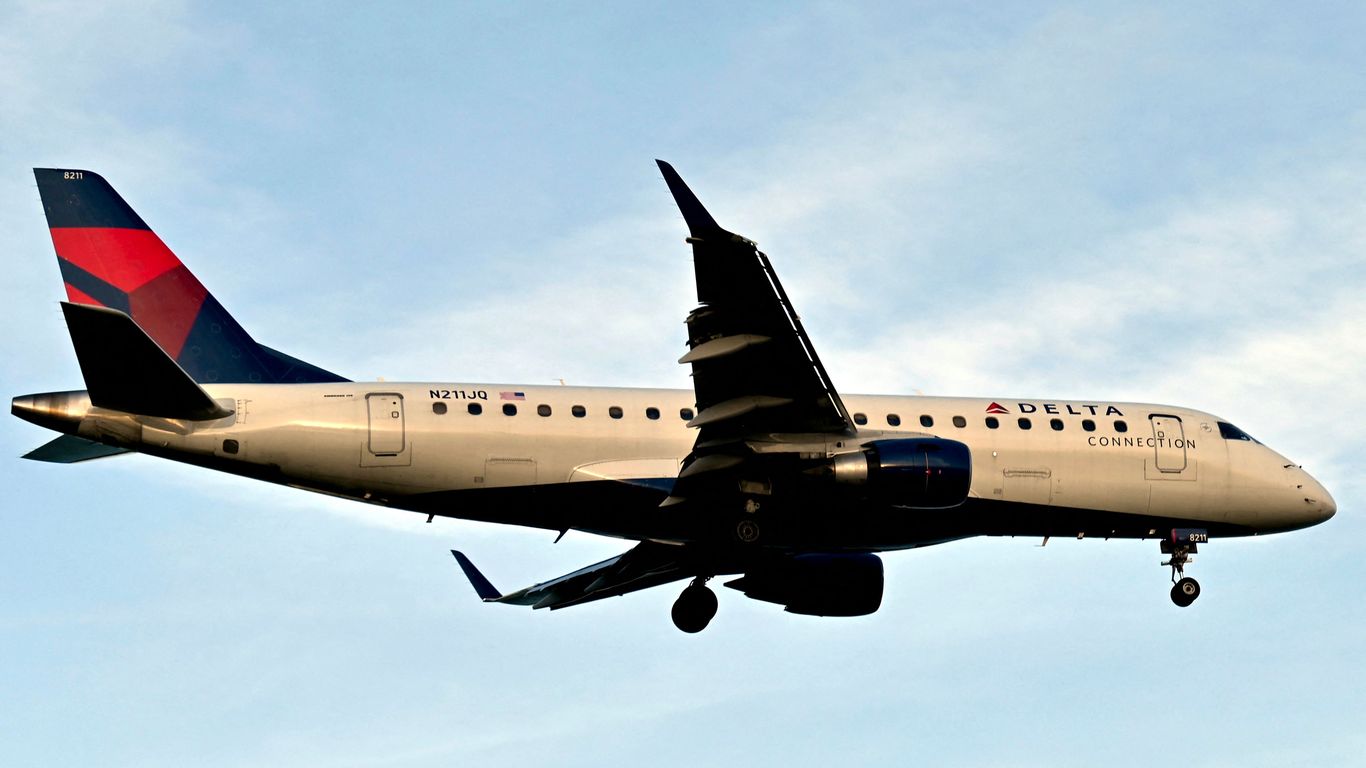
The airline industry is perhaps the most sensitive barometer of this instability. Unlike cars, commercial jets have no alternative to high-quality kerosene-based fuel. When global oil prices fluctuate, jet fuel is often the first to feel the burn because refinery capacity is limited. Refiners can choose to produce diesel, gasoline, or jet fuel. In a period of high-intensity conflict, the demand for military-grade fuels and transport diesel often pushes jet fuel production to the back of the line.
Airlines generally use fuel hedging to protect themselves—essentially buying fuel at a fixed price in advance. But many carriers scaled back these programs after being burned by them during the price collapses of previous years. Now, they are flying "naked" against the market. For every dollar increase in the price of a barrel of oil, the industry’s collective fuel bill rises by billions. They don't just pass these costs on; they use dynamic pricing algorithms to front-load the pain onto the consumer, anticipating even higher costs in the months to come.
This creates a feedback loop. High fuel prices lead to reduced flight frequencies. Reduced supply leads to higher ticket prices. The consumer is hit twice: once by the raw cost of energy and again by the scarcity of the service.
The Strait of Hormuz as a Global Choke Point
To understand the scale of the current crisis, one must look at the geography of the conflict. Roughly 20% of the world’s liquid petroleum passes through the Strait of Hormuz. It is a narrow waterway where the margin for error is zero. In a hot war scenario involving Iran, the risk isn't just a temporary dip in production; it's a total blockade of the primary artery for global energy.
Lawmakers talking about price gouging ignore the fact that markets are currently pricing in a "worst-case scenario" for this transit point. If a single tanker is hit, insurance premiums for every other vessel in the region quintuple overnight. Those costs don't stay on the water. They are distributed across every barrel of oil unloaded in Rotterdam, Singapore, and Houston.
The US has significantly increased its domestic production, but we are still tied to global benchmarks. Because oil is a fungible global commodity, a barrel produced in West Texas is still priced based on what is happening in the Middle East. We have the resources, but we lack the insulation.
The Refining Bottleneck No One Mentions
Even if we had all the crude oil in the world, we wouldn't be able to turn it into gasoline fast enough to stop a price spike. The United States has not built a major new refinery with significant capacity since the 1970s. We have spent decades optimizing existing plants, but we are running at nearly 95% utilization.
When a conflict in the Middle East puts pressure on global supplies, the strain on American refineries reaches a breaking point. Any minor mechanical failure or weather event in the Gulf of Mexico now has a magnified effect because there is no "slack" in the system. Lawmakers find it much easier to yell about corporate greed than to address the regulatory and environmental hurdles that have made expanding refinery capacity a financial suicide mission for energy companies.
Speculation as a Self-Fulfilling Prophecy
The most "investigative" part of this story isn't found in a dry well or a board room; it's on the trading floors. A significant portion of the price you pay at the pump is determined by "non-commercial" traders—hedge funds and institutional investors who never intend to take delivery of a single drop of oil.
When tensions with Iran rise, these traders pile into long positions. This surge in paper demand drives the price up, which in turn signals to the physical market that scarcity is coming. This is the financialization of energy. It creates a scenario where the price of gas is disconnected from the actual physical inventory of gas.
- Physical Reality: There is currently enough oil in storage to meet demand for months.
- Market Sentiment: If a war breaks out, we might not have enough in six months.
- Result: Prices rise today.
This is not necessarily illegal "gouging," but it is a systemic flaw that rewards volatility. The more unstable the world becomes, the more profitable the volatility becomes for those who trade on the margins.
The Failure of Energy Policy
The current crisis exposes the hollow nature of "energy independence" rhetoric. Being a net exporter of energy doesn't protect a nation from price shocks if its internal pricing is pegged to a global market controlled by a cartel (OPEC+) and influenced by a regional power like Iran.
The legislative focus on price gouging is a distraction from the uncomfortable truth: the global economy is still entirely dependent on a region that has been a powder keg for seventy years. Transitioning away from this dependency—whether through expanded domestic refining, nuclear energy, or a massive shift to electric transport—is a project of decades, not days.
In the meantime, the consumer is the ultimate shock absorber. Every time a missile is fired or a threat is made in the Persian Gulf, the wealth transfer from the average driver to the global energy market accelerates.
The Actionable Reality for the Public
If you are waiting for a legislative fix to lower your travel costs or gas bill, you are waiting for a ghost. The "Price Gouging Prevention" acts introduced in various forms are largely unenforceable because "excessive" is a subjective term in a free-market economy.
What can be done is a fundamental shift in how we manage the Strategic Petroleum Reserve (SPR). Rather than using it as a political tool to shave five cents off the price of gas before an election, it must be used as a hard-line counter-speculation tool. The government should use the SPR to actively punish speculators who drive the "fear premium" too high, creating a floor and a ceiling that provides actual stability.
Until the underlying structural issues—refining capacity, speculative trading limits, and the physical vulnerability of the Strait of Hormuz—are addressed, the cycle will repeat. The next time a headline about Iran flashes across the screen, watch the gas station sign across the street. It will change before the news anchor finishes the sentence.
Check your local fuel tax rates and compare them to neighboring jurisdictions to see how much of your local "spike" is actually state-level policy rather than global conflict.