The air at three thousand feet is supposed to belong to the professionals.
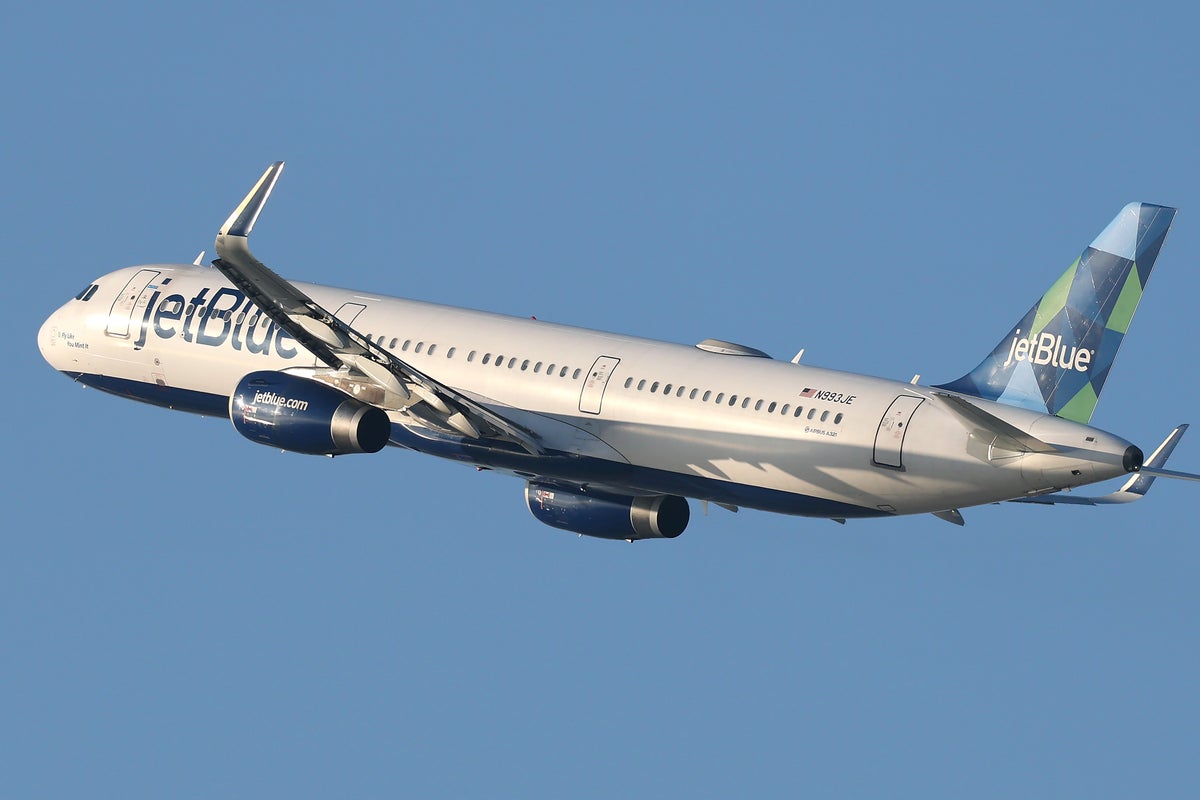
At 7:15 on a crisp Monday morning, the cockpit of JetBlue Flight 948 from Las Vegas was quiet. The heavy work of crossing the continent was behind them. Below the wings of the Airbus A321, the Atlantic Ocean wrinkled into gray ribbons against the shore of Sea Bright. The coast of New Jersey slid away as the crew bank-turned toward John F. Kennedy International Airport, easing the massive jet down through the final stages of its descent.
Passengers were awake, stretching, adjusting watches to New York time, or staring blankly at the early sun hitting the water. They were oblivious to the delicate math of the approach. Air speed, descent rate, glide slope. Everything was in its place.
Then came the thud.
It was not the deep, catastrophic boom of an engine failure, nor the soft slap of a passing bird. It was a sharp, metallic strike, hitting the fuselage just inches above the cockpit glass.
In the high-stakes environment of commercial aviation, a sudden sound at low altitude is an adrenaline spike straight to the heart. The captain looked at the instruments. The plane was flying perfectly. The controls responded smoothly. But something had violated their space.
When the pilot clicked his microphone to speak with the control tower, his voice carried the flat, forced calm unique to people trained to survive at high altitudes.
"We collided with a drone back there in the turn," he told the controller, his words captured on air traffic control recordings.
The tower controller paused. The sky around JFK is one of the most heavily monitored, tightly regulated zones of airspace on earth. "You said you collided?"
"Yep, it hit us right, right above the cockpit," the pilot confirmed.
Six minutes later, the Airbus touched down safely on Runway 13 Left. The passengers grabbed their carry-on bags, checked their phones, and complained about the terminal traffic. They deplaned without ever knowing that their lives had brushed against a invisible crisis growing quietly in our skies.
The Toy That Isn't a Toy
We have a collective blind spot when it comes to drones.
Because you can buy them at a local electronics shop, and because they are wrapped in lightweight plastic, we treat them like sophisticated kites. They are marketed as gadgets for capturing cinematic vacation footage or real estate photos. We look at them and see toys.
But an engineer looks at a four-pound consumer drone and sees a flying brick containing a high-density lithium-ion battery.
Consider what happens when that battery hits an airplane windshield traveling at 250 miles per hour. The physics are brutal. Kinetic energy increases with the square of speed. At landing velocities, a tiny piece of plastic turns into a artillery shell. If that battery punches through the acrylic layers of a cockpit window, it can blind a pilot. If it gets sucked into a turbofan engine, the metal blades can tear themselves apart, triggering an uncontained engine failure.
The Federal Aviation Administration receives more than 100 reports of unauthorized drone sightings near airports every single month. Just three days before the JetBlue incident, a United Airlines flight heading into Newark Liberty International Airport had to dodge a drone during its descent.
We are playing a statistical game of chicken with hundreds of human lives in the balance.
The terrifying reality of modern aviation is that pilots cannot see these objects. When you are piloting an aircraft weighing 200,000 pounds, your focus is on the horizon, your instruments, and the vast grid of the runway approach. A drone is a speck of dust until it is a fraction of a second away from impact.
The Myth of the Safe Sky
When the JetBlue Airbus rolled into the maintenance hangar after landing, teams of mechanics swarmed the nose of the plane. They crawled over the fuselage, shining high-intensity flashlights across the composite skin, searching for the telltale delamination or fractures that a high-speed impact leaves behind.
Miraculously, they found nothing. No dents. No scratches. No evidence of a collision.
The airline released a statement explaining that the plane was returned to service after showing zero signs of damage. To the casual observer, the story ends here. A false alarm, perhaps. A bird, or a trick of the light.
But anyone who has worked in aviation safety knows that the lack of damage does not mean the danger wasn't real. It means we got lucky.
The system is designed to tolerate a lot of variables, but it cannot tolerate total anonymity. The person operating that drone near JFK was likely sitting on a beach, a rooftop, or a backyard miles away, looking at a smartphone screen. They probably didn't even realize they had crossed into the flight path of a commercial airliner. They didn't see the Airbus come screaming out of the turn. And when the drone crashed or buzzed past, they likely packed up their controller, walked inside, and poured a cup of coffee.
That anonymity is what keeps air safety investigators awake at night.
The Unseen Frontier
The skies are changing faster than our laws can keep up. We have built an incredible infrastructure of radar, transponders, and human oversight to ensure that two planes never occupy the same patch of air. It is a triumph of human engineering that makes commercial flight the safest form of travel in history.
But that system was built for objects that have transponders, registered tail numbers, and pilots who have spent years earning licenses. It was not built for an unregistered piece of consumer tech bought online by someone who has never read an FAA regulation in their life.
The FAA has established strict rules. Operating a drone near an airport is illegal. Doing so can result in massive civil fines and years in a federal prison. Technology companies have implemented "geofencing" software into their drones, which is supposed to artificially block the devices from taking off near airports.
Yet, every week, a pilot looks out the window and sees a plastic rotor spinning in the clouds.
We are approaching a crossroads in our relationship with technology. The convenience of autonomous delivery, hobbyist photography, and cheap tech is colliding directly with the sacred geometry of public safety. The empty sky above our cities is no longer empty, and the barrier between a harmless hobby and a national tragedy is shrinking to a matter of inches.
The JetBlue pilot who landed Flight 948 did his job perfectly. He flew the plane, stayed calm, and reported the danger. But as the engines spun down at the gate and the passengers scattered into the New York morning, the question remained hanging in the quiet air above the tarmac.
Next time, will the sky be as forgiving?