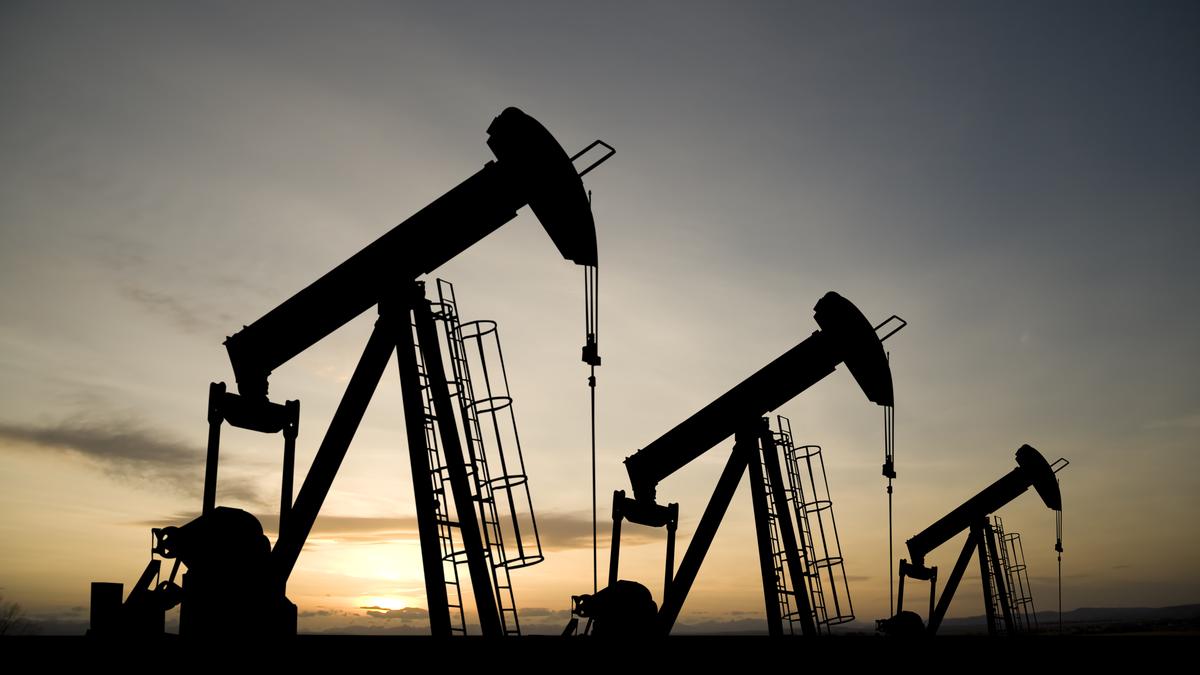
A door clicks shut in an ornate hall in Vienna. It is a small sound, easily drowned out by the shuffle of expensive suits and the low murmur of diplomats. But that click carries across the desert sands of the Arabian Peninsula and vibrates through the steel hulls of ships anchored miles away in the Persian Gulf. The United Arab Emirates has walked away from the table. The chair is empty. OPEC, the world’s most powerful oil cartel, just lost a limb.
For decades, the math of global energy was a predictable, if tense, dance. A group of nations would meet, decide how much black ink to pump from the earth, and the rest of the world would adjust its budgets accordingly. Now, that dance has turned into a scramble. The UAE, a nation that has spent years transforming itself from a collection of pearl-diving villages into a hyper-modern global hub, has decided it no longer wants its pace dictated by a committee. They want to sell. They want to build. They want out.
The immediate reaction on the trading floors in London and New York was a sharp intake of breath, followed by a slide. Prices dipped. On paper, more oil available should mean cheaper gas at the pump. But the markets aren't just looking at supply numbers. They are looking at the smoke on the horizon.
Consider a ship captain named Elias. He is a hypothetical composite of the men currently gripping the rails of VLCCs (Very Large Crude Carriers) as they approach the Strait of Hormuz. For Elias, the diplomatic spat in Vienna is a distant echo. His reality is the narrow neck of water ahead of him. To his left and right, the rocky coastlines of Iran and Oman squeeze the world’s energy lifeline into a passage so thin that a few well-placed mines or a single skirmish could paralyze the global economy.
Twenty percent of the world’s liquid energy passes through this choke point. It is a fragile bridge.
While the UAE’s exit suggests a flood of new oil might hit the market, the tension with Iran acts as a dam. Conflict is a shadow that never quite leaves the water here. Every time a headline flashes about a drone, a seized tanker, or a broken treaty, the insurance premiums on Elias’s ship skyrocket. Those costs don't stay at sea. They find their way into the price of a gallon of milk in a grocery store in Ohio or the cost of a commute in Manila.
The world treats oil like a commodity, something to be traded in cold digital fractions. But oil is actually a pulse. When the pulse is steady, the world breathes. When it spikes or falters, people lose jobs, governments fall, and the quiet stability of the middle class begins to erode.
The UAE’s departure from OPEC is more than a business disagreement; it is a signal that the old guard is losing its grip. For years, Saudi Arabia acted as the conductor of this orchestra. By walking away, the UAE is essentially saying they no longer believe the conductor knows the tune. They have invested billions in their production capacity. They have massive fields of crude waiting to be tapped. To them, staying in OPEC is like owning a Ferrari and being told you can only drive it in a school zone.
This creates a dangerous paradox. In the short term, the internal friction within the Middle East might lead to a price war. If every country starts pumping at maximum capacity to grab market share before the world transitions to green energy, prices could collapse. You might see a temporary win at the gas station.
But look closer at the map.
Iran sits across the water, watching its neighbor break ranks. Iran remains under heavy sanctions, its own capacity stifled, its economy strained. History shows that when a cornered power feels the walls closing in, the Strait of Hormuz becomes a lever. If they cannot sell their oil, they can ensure no one else does either. A blockade isn't just a military maneuver; it’s a global heart attack.
The "supply concerns" mentioned in dry financial reports are actually human anxieties. They are the worries of a small business owner who can't predict his shipping costs for next month. They are the calculations of a family wondering if they can afford a summer road trip. We are all tethered to that narrow strip of water and that empty chair in Vienna.
The shift is tectonic. We are moving away from an era where a single cartel could dictate the temperature of the world economy. But we haven't reached the safety of the shore yet. We are in the middle of the crossing. The UAE has jumped overboard to swim for it on their own. Saudi Arabia is trying to keep the boat upright. And Iran is standing on the bank, deciding whether to throw a rope or a rock.
Think of the global energy market not as a spreadsheet, but as a high-stakes poker game played in a room filled with gasoline. The UAE just cashed out their chips and walked to the door. Everyone else at the table is now looking at the exit, then looking at their cards, and then looking at the man holding the match near the window.
The rally has eased, yes. The numbers on the screen have turned red for a day or two. But the underlying heat is rising. The silence from that empty chair in Vienna is louder than any press release could ever be. It tells us that the old rules are dead, and the new ones are being written in the wake of tankers moving through the dark, hoping the horizon stays clear for one more night.
The true cost of oil isn't found in the barrels. It is found in the uncertainty of what happens when the people who control the taps stop talking to each other and start looking out for themselves. The bridge is narrowing. The water is getting choppier. And the world is still waiting for the next sound to break the silence.