Egypt used to be a major player in natural gas exports. Now, the country finds itself forced to import liquefied natural gas (LNG) to keep its lights on. This sudden shift caught many by surprise, but the signs were building for years. Growing domestic demand, falling production at major fields like Zohr, and scorching summer heatwaves forced a massive rethink in Cairo.
The state can't rely on old assumptions anymore. To handle this crisis, Egypt is running a dual track. It's pouring fresh capital back into fossil fuel exploration while trying to fast-track its renewable energy mix. It's a tricky balancing act. If you follow global energy markets, Egypt’s pivot offers a masterclass in how quickly resource wealth can slip away, and what it takes to regain control.
The Reality of Egypt's Gas Deficit
For a few years, Egypt looked like a regional energy hub. The massive Zohr field, discovered by Eni in 2015, changed everything. It turned the country from an importer into an exporter. But fields deplete. Zohr's production dropped significantly due to water infiltration issues and natural decline. By late 2023 and into 2024, the surplus vanished. Egypt had to halt its LNG exports entirely and start buying expensive shipments on the spot market.
That hurts the treasury. Buying LNG requires hard currency, which has been in short supply. The government had to implement rolling blackouts during peak summer months to manage the load. Nobody likes power cuts. They disrupt businesses, anger citizens, and signal vulnerability to foreign investors.
The core issue isn't just falling supply. Demand skyrocketed. Egypt's population grows by millions every year. Urbanization and heavy industrial subsidies kept consumption high. When temperatures hit record highs, air conditioning units strained the grid to its absolute limits.
Reinvesting in the Ground
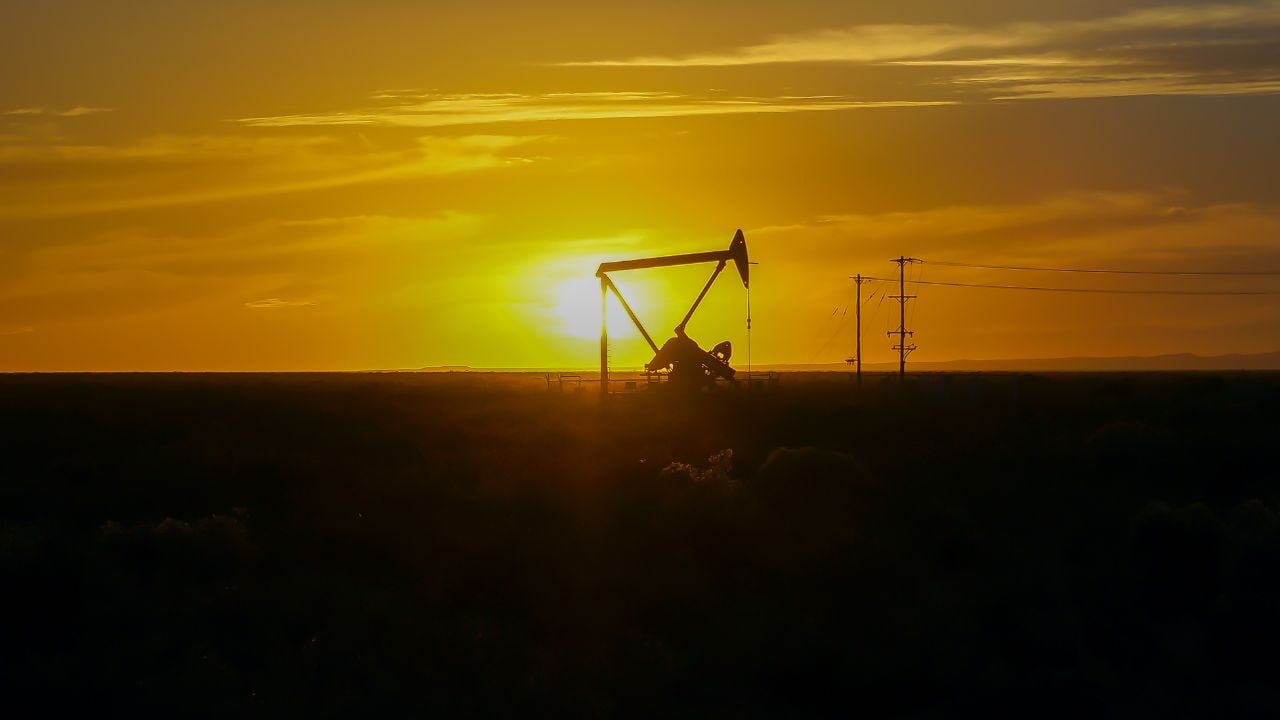
Cairo isn't abandoning fossil fuels. Far from it. The immediate fix for a gas shortage is to find more gas, and the government is moving fast to incentivize foreign energy giants.
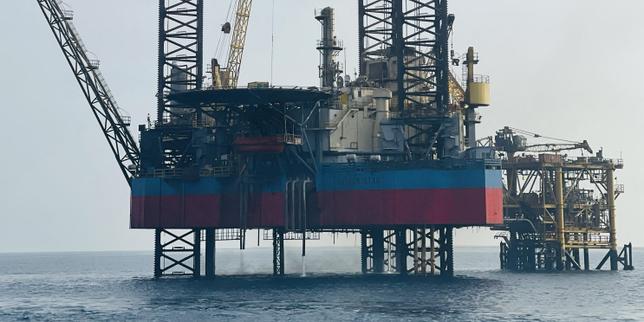
BP, Eni, and Chevron are getting cleared to drill new wells in the Mediterranean and the Nile Delta. The Egyptian Ministry of Petroleum changed its approach, promising to clear outstanding debts owed to foreign oil companies. That matters. When international oil companies don't get paid on time, they slow down investment. By prioritizing these payments, Egypt bought back goodwill and accelerated drilling schedules.
- New Exploration Blocks: Recent bidding rounds opened up deepwater blocks in the Western Mediterranean, an area previously under-explored.
- Infrastructure Optimization: Companies are tying new discoveries back to existing production facilities to save time and money.
- Fast-tracking Development: The timeline from discovery to first gas is getting compressed through regulatory shortcuts.
It's a pragmatic approach. Renewables take time to build, but the infrastructure for gas already exists. If Egypt can stabilize its domestic production, it stops the financial bleeding caused by LNG imports.
The Race for 42 Percent Renewables
You can't fix a structural energy crisis solely by drilling. Egypt knows this. The official national target is to get 42% of its electricity from renewable sources by 2030. Frankly, that’s an aggressive goal given where things stand today, but the pressure is forcing real progress.
The country has incredible solar and wind potential. The Benban Solar Park near Aswan is already one of the largest solar installations in the world. Now, the focus is shifting to mega-scale wind projects along the Gulf of Suez.
International developers are pouring in. Companies like UAE’s Masdar, Saudi Arabia’s ACWA Power, and various European consortiums are signing deals for massive wind and solar farms. These aren't just vanity projects. They are tied to concrete power purchase agreements.
The grid needs major upgrades to handle this intermittent power. Solar works great during the day, but Egypt's peak demand often happens in the evening when families come home and turn on their cooling systems. Without massive battery storage or reliable gas-fired peaker plants, a heavy reliance on solar creates new headaches. That's why the energy mix has to be carefully coordinated. Gas keeps the baseline steady while green energy takes over the heavy lifting during peak hours.
Green Hydrogen as the Long Game
Egypt is positioning itself as a future green hydrogen corridor. The Suez Canal Economic Zone has become a hotspot for initial agreements. The logic is solid. Europe wants green hydrogen to decarbonize its heavy industries, and Egypt sits right on its doorstep with abundant sunshine and land.
Dozens of framework agreements have been signed with global firms. These projects plan to use solar and wind power to run electrolyzers, splitting water into hydrogen and oxygen. The resulting green ammonia can be easily shipped through the Suez Canal to European ports.
It sounds perfect on paper. In reality, green hydrogen infrastructure requires billions of dollars in upfront capital. Most projects are still in the early planning or pilot stages. It won’t solve Egypt’s power shortages this summer, or even next year. But as a long-term economic strategy, it provides a clear path to generate foreign currency and reduce local reliance on gas for industrial processes.
What Energy Analysts Should Watch
If you are tracking Egypt's economic recovery, keep your eyes on three specific indicators.
First, watch the payment timelines to international oil companies. If Egypt falls behind on its debts again, drilling will slow down, and the gas deficit will widen. Second, monitor the commissioning of the new wind projects along the Red Sea. They need to come online on schedule to take pressure off the natural gas grid. Finally, look at the volume of LNG import contracts. If Egypt can reduce its spot market purchases and rely on cheaper, long-term supply contracts—or eliminate imports entirely by 2027—the economic outlook brightens significantly.
Egypt's energy crisis isn't unique, but its aggressive, two-pronged response is worth watching closely. Balancing immediate fossil fuel needs with a massive green transition is messy, expensive, and absolutely necessary.