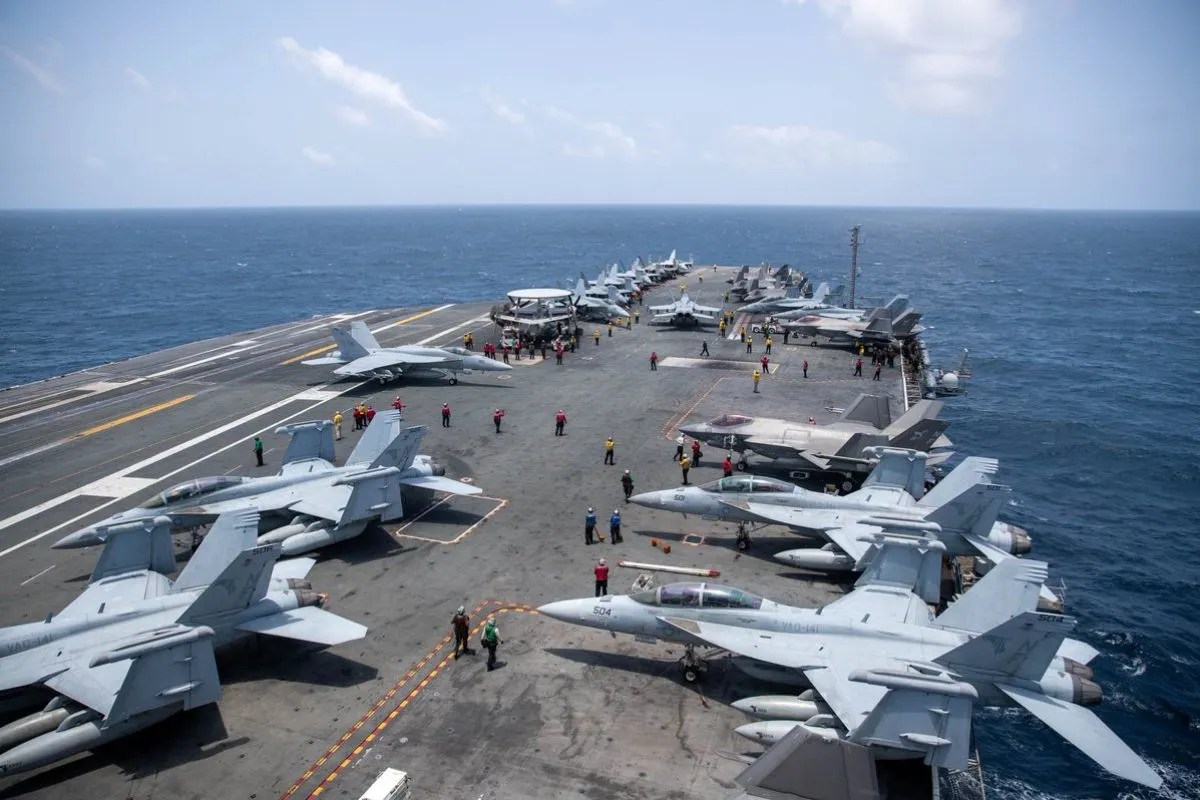
Washington is betting the store on the idea that economic suffering can replace military victory. President Trump’s recent declaration of an "Economic D-Day" against Iran, backed by Treasury Secretary Scott Bessent’s threats of secondary sanctions, marks a desperate pivot in a conflict that has ground into a stagnant, bloody stalemate. By framing this strategy as the final nail in Tehran’s coffin, the White House ignores a fundamental reality of the current regional theater. Economic warfare is not a substitute for military success. It is a confession of inability to achieve it.
When an administration transitions from kinetic strikes to financial blockades, it rarely signals a position of strength. Instead, it reveals a strategic dead end. Months of aerial bombardment and naval maneuvers have left U.S. weapons stockpiles depleted and diplomatic channels frozen. The official narrative, which suggests that isolating a nation’s currency or strangling its trade will force a surrender, underestimates the resilience of regimes hardened by decades of existing sanctions. Tehran has spent years constructing an infrastructure of evasion, transforming its economy into a bunker that thrives on defiance rather than integration.
The core fallacy here is the belief that domestic economic pain translates into immediate state-level concession. In the real world, regimes facing existential threats often respond by centralizing power and doubling down on ideological fervor. When the state controls the flow of resources, the burden of "crushing" sanctions falls almost exclusively on the civilian population, creating a humanitarian disaster without necessarily weakening the grip of the ruling elite. For Iranian leadership, this is a known variable. They have calculated that they can endure higher levels of deprivation than Washington’s political cycle can endure the embarrassment of a protracted, inconclusive conflict.
Secondary sanctions against entities in countries like China are the latest attempt to force the international community to pick a side. Yet, this approach risks alienating even reluctant partners. When the United States threatens to sever financial lifelines to entire nations for engaging in commerce with a sanctioned actor, it pushes those nations to accelerate the creation of alternative financial networks. The pursuit of total isolation often accelerates the development of a multipolar economic reality where the dollar’s influence is slowly but surely eroded. Beijing has already signaled that it views these tactics as a path toward further instability, preferring to preserve existing trade lanes rather than submit to unilateral dictates.
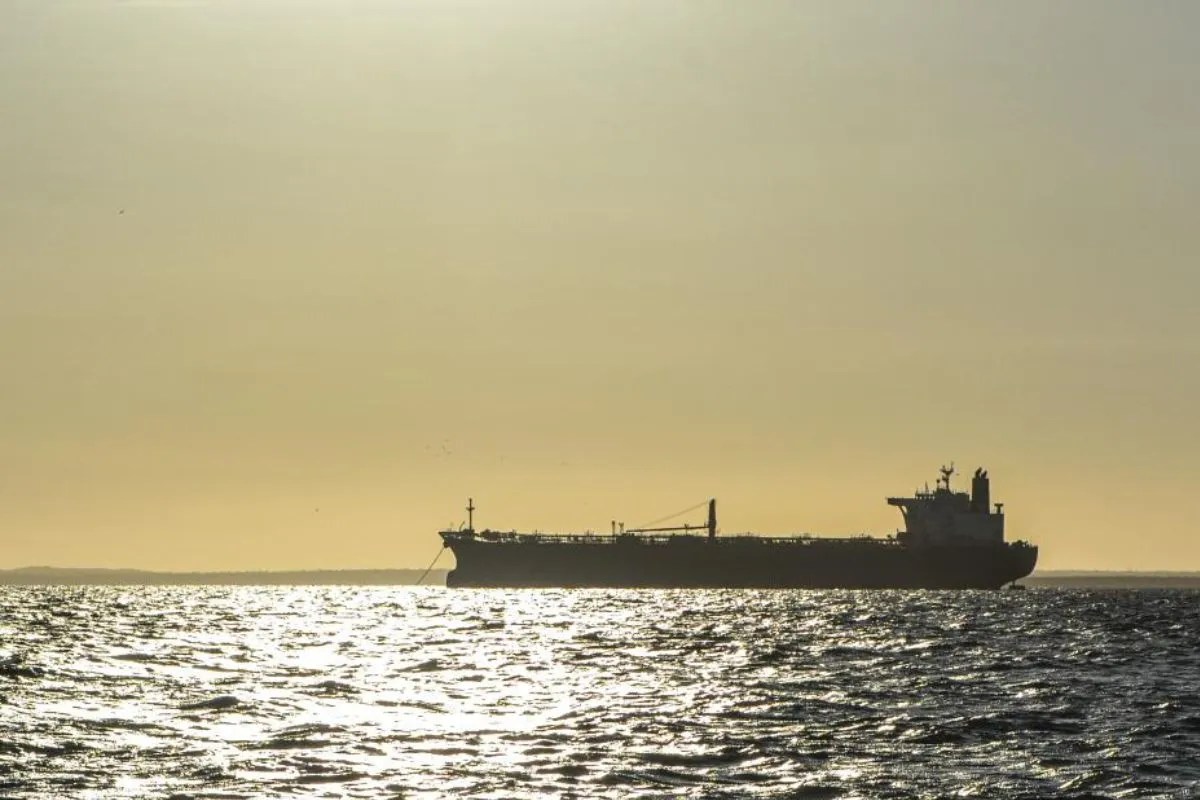
This strategy also ignores the agency of the adversary. Iran is not a passive object sitting on a board waiting to be removed. It possesses the capability to impose pain on the global economy in return. By restricting traffic through the Strait of Hormuz, Tehran has demonstrated that it holds a literal hand on the throttle of global energy prices. Every attempt by Washington to tighten the noose brings a predictable response: upward pressure on inflation and energy costs for American consumers. The political cost of rising gas prices at home acts as an invisible timer on the effectiveness of any economic campaign.
History suggests that sanctions, when pushed to these extremes, often become the primary feature of a foreign policy that has lost its vision. Without a credible threat of kinetic resolution—or a meaningful diplomatic off-ramp—the policy becomes a repetitive cycle. The administration calls for isolation; the economy suffers; the regime adapts; the conflict continues. It is a cul-de-sac of policy where the primary objective shifts from winning the war to managing the appearance of control.
If the goal is to force a change in Tehran’s behavior, the current path is failing by its own metrics. The diplomatic window has closed, and the military option has been sidelined in favor of an economic approach that relies on the hope that the adversary will suddenly decide to collapse. But nations do not collapse on a schedule, and they rarely abandon their strategic imperatives because of a Treasury Department announcement. The focus on economic warfare is not a strategic masterstroke. It is the tactical retreat of a superpower that has exhausted its options and is now hoping for a miracle that will not come.
The true risk is that this escalation is not meant to achieve a result at all, but rather to sustain the status quo long enough to pass the burden to the next administration. By the time the true cost of this strategy is measured in both human lives and global economic stability, the current architects will have moved on to other crises. The cycle of pressure and disappointment continues, leaving a region more volatile and less certain than before. The reliance on economic leverage is a gamble on the patience of the world, and there is little evidence that the house is going to win.