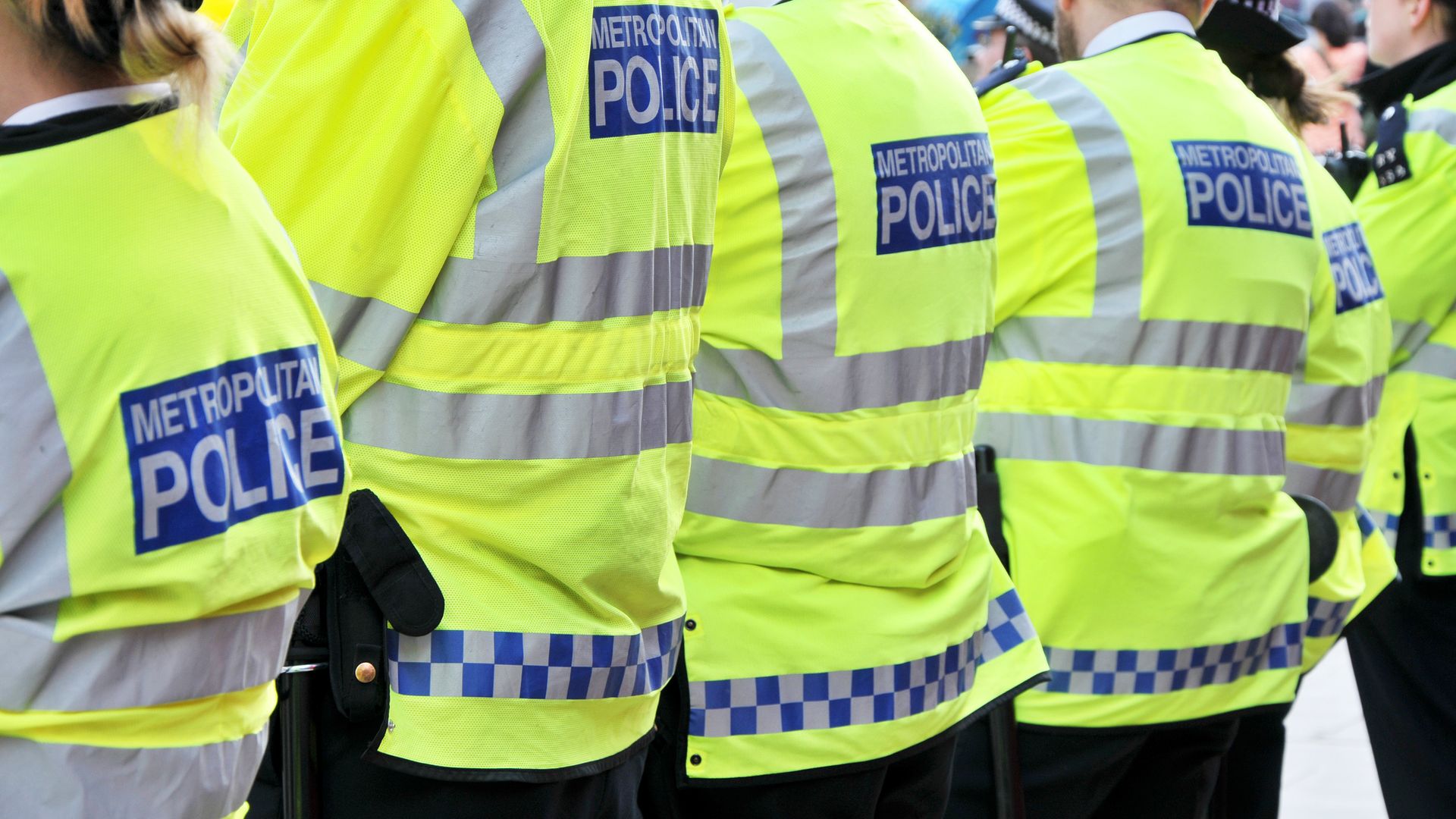
A white car hits five people on a busy London street in broad daylight, flees the scene, and leaves bystanders screaming. Your first thought naturally jumps to a terrorist attack.
When a 34-year-old Somalia-born British man drove into multiple pedestrians in Ealing Broadway around 2:30 pm on Saturday, June 27, 2026, Counter Terrorism Policing London rushed to the scene. Yet within hours, the Metropolitan Police announced they were keeping an open mind but explicitly stated it was not being treated as terrorism.
Instead, the driver faces charges of dangerous driving and attempted murder.
This pivot reveals exactly how British law enforcement categorizes mass casualty events. It also highlights why media outlets use careful wording that often frustrates the public. Here is what actually happened on the ground and why the legal distinctions matter.
Inside the Ealing Broadway Incident
The afternoon crowd on Ealing Broadway suddenly scatter as a white vehicle collides with people outside the shops. Witnesses describe total chaos. Footage circulating on social media shows frantic bystanders running alongside the vehicle, kicking the bodywork, and desperately pulling at the driver's side door to stop it.
The car accelerates away anyway.
Emergency services responded to the call at 2:29 pm. The London Ambulance Service dispatched rapid response cars, ambulance crews, an incident response officer, and even London’s Air Ambulance.
Five people were injured. Paramedics treated two at the scene. They rushed three others to the hospital, including one patient taken to a major trauma centre as a priority. Thankfully, police confirmed none of the injuries are life-threatening or life-changing.
Officers tracked the driver down to nearby Grange Park a short time later and detained him.
The Direct Line Between Attempted Murder and Terrorism
People often confuse mass violence with terrorism, but the law requires specific intent. Under UK law, terrorism demands a political, religious, racial, or ideological motive designed to influence the government or intimidate the public.
If a driver targets a specific group due to a personal vendetta, a localized dispute, or sudden road rage, it doesn't fit the statutory definition of terrorism. It is classified as attempted murder.
Attempted murder means the prosecution intends to prove the suspect had a specific intent to kill those people. It carries a maximum sentence of life imprisonment. By charging the suspect with attempted murder and dangerous driving, prosecutors don't need to prove a grand political motive. They just need to prove he meant to cause death.
Why Headlines Sound Like the Car Acts Alone
Social media users quickly criticized early news reports for saying a "car collided with pedestrians" instead of "a man drove into people." This phrasing feels clinical. It seems to strip away human agency.
There is a strict legal reason for this. Under the UK's strict contempt of court laws, the media cannot publish anything that creates a substantial risk of serious prejudice to active legal proceedings.
Saying a specific arrested man "deliberately drove into people" before a jury hears the evidence can compromise the trial. A defense lawyer could argue their client cannot get a fair trial because the press already convinced the public he did it intentionally. To keep the future trial safe from collapsing, editors use passive, objective descriptions of the physical event until formal court statements establish the facts.
Next Steps for Public Safety and Witnesses
The investigation continues as road closures remain in place around Ealing Broadway for forensic analysis. If you witnessed the incident or possess dashcam or mobile phone footage, do not just post it on social media. Pass it directly to the Metropolitan Police via the 101 non-emergency number to ensure it is admissible in court.