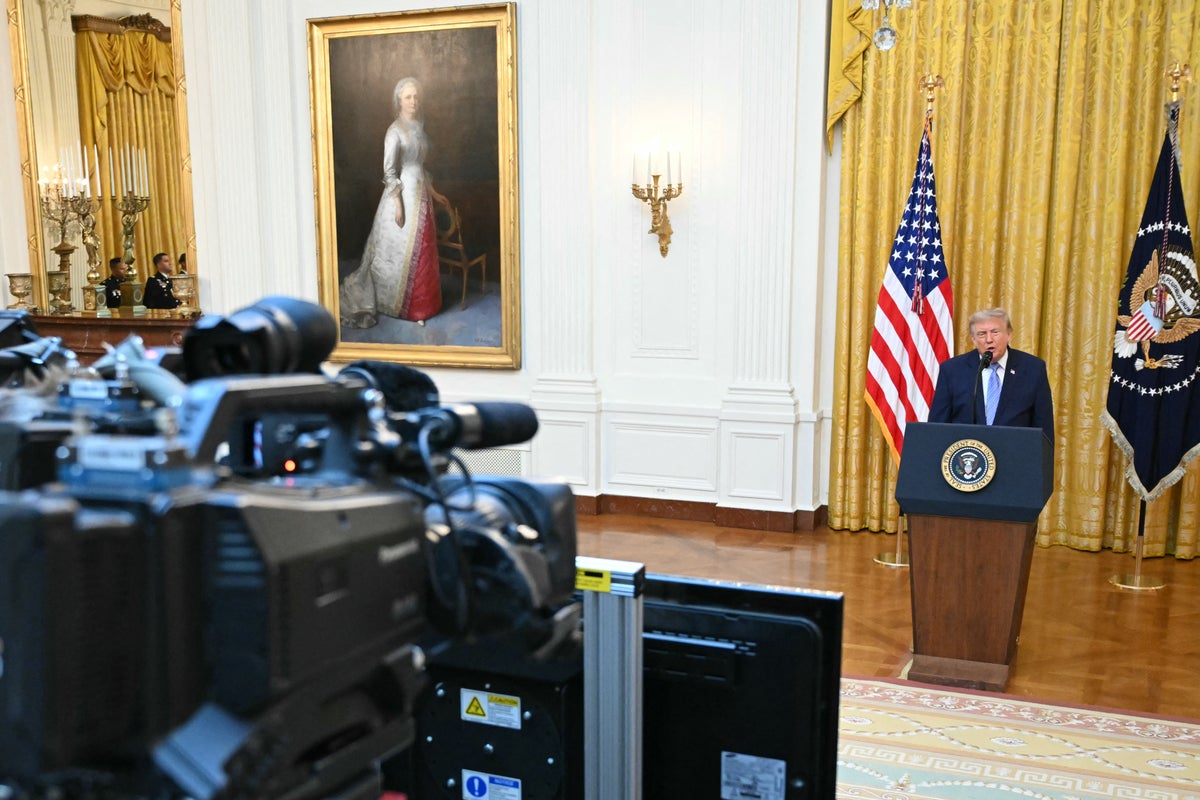
When Donald Trump walked into the East Room for a Thursday night primetime address, his staff knew exactly what was coming. They tried for days to steer him away from it. Aides nudged him to talk about the economy, inflation, or the upcoming 2026 midterms. They even suggested bringing up foreign policy or energy production.
He didn't listen.
Instead, Trump spent the better part of an hour resurrecting claims about the 2020 presidential election. He pointed to newly declassified intelligence documents, claimed China interfered with voting systems, and insisted American voting rolls were hopelessly compromised. It was classic Trump. Raw, unfiltered, and completely off-script from what political strategists usually recommend.
Why does he keep doing this? Why risk alienating moderate voters and angering major broadcast networks just to litigate an election from six years ago?
Understanding that obsession isn't just about analyzing political theater. It explains the current strategy of the White House as the country heads into another crucial election cycle.
The Strategy Behind the East Room Address
Political insiders were baffled when the White House announced a 9:00 PM Eastern speech dedicated to election integrity. Addresses in that timeslot are normally reserved for major national emergencies, legislative victories, or military updates. Trump used it to push for the SAVE Act, a strict voter identification bill that has struggled to find traction among Senate Republicans.
To justify the bill, Trump cited a recent Department of Homeland Security report. He argued that foreign entities, specifically Chinese operatives, accessed public voter registration files across multiple states back in 2022.
The trouble with that argument is simple. Public voter files are, by definition, public. Anyone can download them in most states. Possessing a list of names and addresses doesn't mean a single vote was flipped or tampered with. Independent election experts pointed this out almost instantly.
Networks were skeptical from the start. ABC and NBC refused to carry the address live on their primary broadcast channels, opting instead to push the stream to their digital platforms. CBS aired the speech but cut away after fifteen minutes to fact-check his assertions. Fox News ran the coverage in full. Trump responded the following day by suggesting networks refusing to broadcast his message should lose their FCC licenses.
It was a dramatic escalation, but it wasn't surprising to anyone paying close attention.
Why Advisers Failed to Steer Him Away
Inside the White House, the debate over this speech was intense. Strategists know that moderate voters in key swing districts care deeply about interest rates, groceries, and housing costs. They don't want to hear about six-year-old grievances.
Advisers laid out clear arguments against the primetime slot:
- Broadcaster Pushback: Networks rarely hand over free primetime airtime unless there is urgent news. Demanding the slot for a political speech risked a public fight with media executives.
- Midterm Vulnerabilities: Swing-state Republicans running in tight races need to sell a forward-looking economic message, not relive past battles.
- Fact-Checking Trap: Re-opening the 2020 debate invites immediate counter-attacks from legal experts and intelligence officials who reviewed those counts years ago.
Despite those warnings, Trump pressed forward. For him, the issue of election integrity isn't just a side policy. It's the central pillar of his political identity. He views voter confidence—and his insistence that past systems failed—as the primary justification for completely rewriting federal voting laws.
The Push for Federal Voting Restrictions
This wasn't just a rant. It was a targeted effort to build public support for executive and legislative changes to how Americans vote.
The White House wants several major policy shifts implemented before the midterms:
- Mandatory National Voter ID: Requiring strict proof of citizenship and government-issued photo identification for every ballot cast.
- Restrictions on Mail-in Ballots: Restricting federal mail-in options and tightening signature verification rules.
- Phasing Out Electronic Tabulators: Pushing states to adopt hand-counted paper ballots.
Under the U.S. Constitution, states hold the primary authority to set the time, place, and manner of elections. That creates a massive legal hurdle for any president trying to impose top-down mandates from Washington. Several state election officials, both Democrats and Republicans, immediately pushed back against the White House demands.
Pennsylvania's Secretary of State noted that voters already verify their identity when registering and casting ballots. Officials in other states warned that forcing drastic administrative changes months before an election creates confusion for local workers and voters alike.
What Voters and Campaigns Need to Watch Next
This ongoing clash over election rules isn't going away. If anything, the primetime address set the stage for months of legal battles between the executive branch and state election boards.
If you want to track how this impacts upcoming votes, keep an eye on these specific developments:
- State Level Lawsuits: Watch for lawsuits filed by the Department of Justice against state officials who refuse to alter their voter registration procedures.
- Congressional Votes: Monitor whether Republican leaders in the House try to attach the SAVE Act to upcoming federal funding bills.
- Court Battles over Executive Power: Pay attention to challenges regarding executive orders aimed at restricting federal mail-in voting mechanisms.
The fight over the East Room speech proved one thing clearly. Donald Trump will continue to prioritize election security claims regardless of advice from his team or pushback from news networks. Expect this battle to shape every political debate right up until ballots are cast.