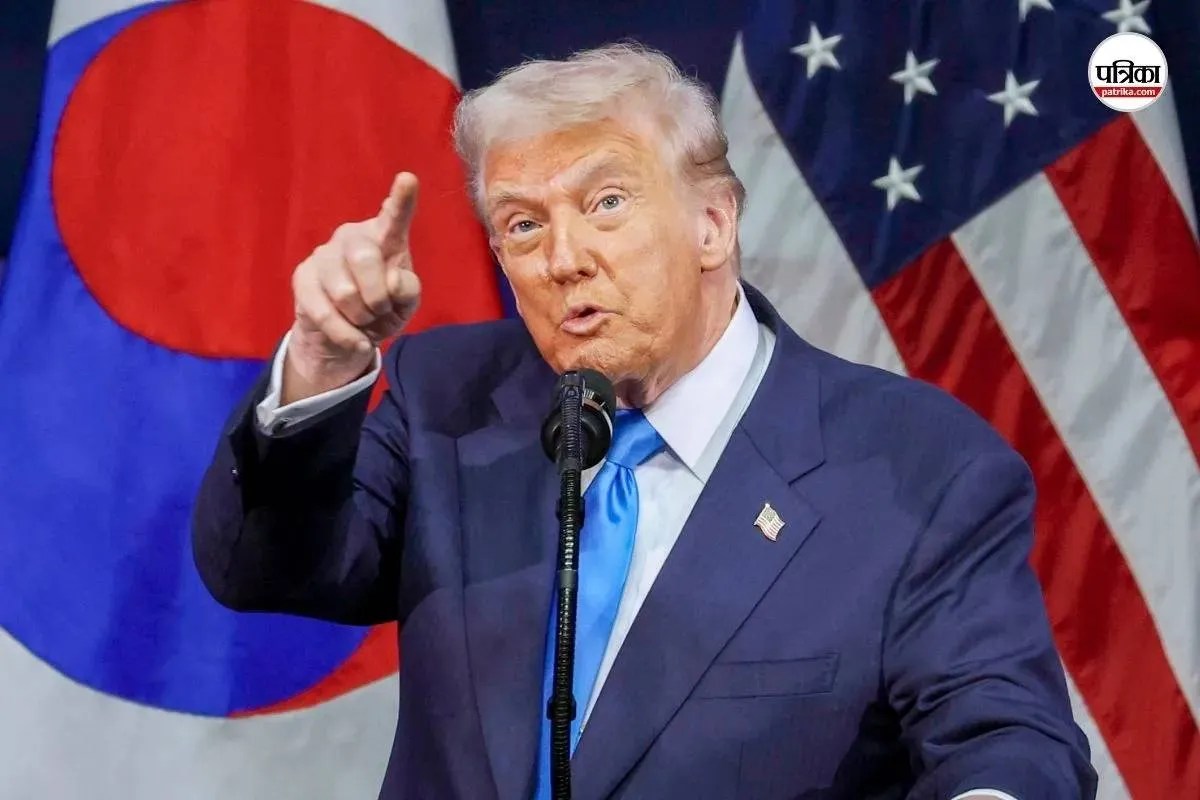
Donald Trump has a way of making the U.S. Congress look like a bystander in its own house. His recent maneuvers regarding Iran have set off alarms across the political spectrum, sparking a heated debate about where the President’s authority ends and where the law begins. It’s not just about foreign policy anymore. It’s a question of whether the White House is effectively bypassing the checks and balances that define American democracy.
You might wonder why this matters. If a President thinks a country is a threat, shouldn't they be able to act? Well, the U.S. Constitution says the power to declare war belongs to Congress, not the Oval Office. Yet, we've seen a steady slide toward "executive actions" that look a lot like war without the official label. Trump’s latest stance on Iran takes this tension to a breaking point.
The War Powers Act is Being Tested Like Never Before
The 1973 War Powers Act was designed to stop exactly what’s happening right now. It was a reaction to the Vietnam War, meant to ensure no President could drag the country into a long-term conflict without clear legislative approval. Fast forward to today, and that law feels like a suggestion rather than a mandate.
Trump’s team often points to the 2002 Authorization for Use of Military Force (AUMF) as a legal shield. That document was originally intended to fight Al-Qaeda and those responsible for the 9/11 attacks. Using a twenty-year-old document to justify strikes against a sovereign nation like Iran is a stretch. Most legal experts agree. It’s a loophole that’s been driven through so many times it’s now a highway.
When the White House decides to take out a high-ranking official or move massive naval assets into the Persian Gulf, they often notify Congress after the fact. Or, they provide a briefing so classified that lawmakers can’t even discuss it with their constituents. This isn't just "tough" leadership. It’s an intentional erosion of the legislative branch’s oversight.
Why Iran Remains the Ultimate Flashpoint
Iran isn't just another country on a map for this administration. It’s the centerpiece of a broader strategy to reshape the Middle East. By walking away from the 2015 nuclear deal (JCPOA), Trump didn't just kill a treaty; he ignited a "maximum pressure" campaign that relies almost entirely on executive orders and sanctions.
Sanctions are the silent weapon here. They don't require a troop deployment, so they don't trigger the same public outcry as a ground war. But they are incredibly powerful. By cutting off Iran’s ability to sell oil or access the global banking system, the White House is essentially conducting economic warfare.
- Economic Impact: Iran's currency has hit record lows multiple times.
- Regional Tensions: Proxies in Iraq and Lebanon are feeling the squeeze, leading to more volatility.
- Oil Prices: Global markets jump every time a tanker is seized or a drone is shot down.
The problem with this approach is that it leaves very little room for diplomacy. When you’ve pushed a country into a corner, their only options are to surrender or lash out. Iran has chosen to lash out. This creates a cycle where the White House then claims they "must" respond to Iranian aggression, further bypassing Congress in the name of national security.
The Myth of the Unified Executive
There's a theory in Washington circles called the "Unitary Executive Theory." Basically, it argues that the President has nearly total control over the executive branch and foreign policy. Trump has embraced this idea more than any of his predecessors. He sees the Senate and the House as obstacles to be managed, not partners in governance.
It's honestly a bit jarring to see how little pushback actually works. Even when the House passes resolutions to limit the President’s power to attack Iran, these measures often die in the Senate or get vetoed. The veto power is the ultimate trump card. Unless there’s a two-thirds majority to override him, the President can keep doing exactly what he wants.
Lawmakers like Bernie Sanders and Rand Paul—who rarely agree on anything—have found common ground here. They both argue that the "imperial presidency" is a threat to the republic. They’re right. If one person can decide to start a conflict that costs billions of dollars and thousands of lives, we don't have a representative government. We have a temporary king.
Intelligence as a Political Tool
One of the most dangerous aspects of this power struggle is the use of intelligence. We saw this during the lead-up to the Iraq War, and we're seeing echoes of it now. The White House claims to have "imminent threat" data that justifies aggressive moves against Iran. But when asked to share that data with the Gang of Eight (the top leaders in Congress), the details often get fuzzy.
If the intelligence is solid, there should be no reason to hide it from the people whose job it is to oversee the military. By gatekeeping information, the administration ensures that no one can effectively argue against their decisions. It’s a "trust me" style of leadership that doesn't belong in a system built on skepticism and checks.
Moving Beyond the Rhetoric
The debate over whether Trump is "bigger" than Congress misses a fundamental point. It’s not about the person in the chair; it’s about the chair itself. If we allow these precedents to stand, every future President—regardless of party—will have these same unchecked powers.
What can actually be done? Congress needs to find its spine. That means more than just symbolic votes. It means using the power of the purse. If they don't want a war with Iran, they should stop funding the buildup that makes it possible. They should also pass a clean repeal of the 2002 AUMF so it can no longer be used as a catch-all justification for Middle Eastern intervention.
Pay attention to the specific language used in White House briefings over the next few months. Words like "deterrence" and "proactive defense" are often codes for unauthorized military action. If the administration continues to sideline the people's representatives, the tension with Iran won't be the only thing exploding. The very structure of the U.S. government is at stake.
Start calling your representatives and demand a vote on any future military action. Support legislation that sunsets old war authorizations. If you think the President should have the power to act alone, ask yourself if you’d feel the same way if someone you hated was in that office. That’s the only true test of a constitutional principle.