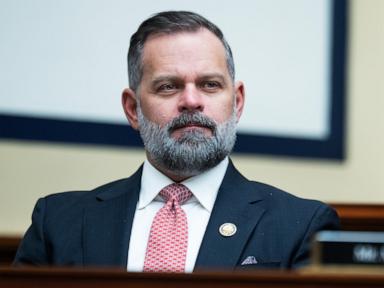
Another unnamed source leaks an investigation. Another headline explodes across Washington. Another political career gets fed into the meat grinder right before a primary election.
If you read standard media reporting, you would think the Department of Justice dropping a probe into Rep. Cory Mills is a textbook victory for government transparency. It is not. It is a masterclass in weaponized bureaucracy.
I have spent years watching strategic Justice Department leaks surface weeks before congressional primaries. The timing is never accidental. The mechanics are never random. When media outlets run breathless coverage citing "sources familiar with the matter" about a backbench congressman's personal finances, they are not uncovering truth—they are executing a playbook.
The Flawed Premise of Federal Financial Probes
The standard narrative insists that DOJ probes into congressional campaign finance show law enforcement doing its job. That argument falls apart the moment you examine how federal campaign finance laws actually operate.
Congressmen routinely face scrutiny over financial disclosures, federal agency contracts, and campaign loan origins. When a former defense contractor enters Congress, their existing corporate entities—like defense manufacturing firms holding federal purchase orders—create complex compliance headaches.
Imagine a scenario where a military veteran turned business owner loans $1.8 million to his own primary campaign. Under Federal Election Commission regulations and standard banking rules, personal loans to campaigns must derive strictly from personal assets. Determining whether those funds came from liquid personal wealth or corporate lines of credit involves technical accounting distinctions that civil regulatory agencies debate for years.
Turning complex corporate restructuring and campaign loan reporting into an active, leaked criminal inquiry does not protect voters. It bypasses due process.
Why Anonymous Leaks Paralyze the Defense
When the Department of Justice officially files an indictment, a defendant gets formal charges, evidence, and a courtroom.
When "sources familiar" tell reporters that the DOJ is looking at someone's finances, the target gets none of those things.
- No formal charges: The agency maintains plausible deniability while damage mounts.
- No discovery process: The defense cannot subpoena the sources or review the evidence.
- No timeline: An investigation can remain "ongoing" past an election cycle, rendering the candidate politically dead long before any prosecutor signs an indictment.
This asymmetrical dynamic leaves lawmakers defenseless against coordinated drops.
The House Ethics Duplication Machine
The Office of Congressional Ethics and the House Ethics Committee already maintain broad jurisdiction over campaign finance reporting, gift rules, and conflict-of-interest allegations. When federal law enforcement layers an unconfirmed parallel inquiry onto an existing House Ethics investigation, it creates an endless loop of institutional pressure.
The House panel spends months authorizing subpoenas and reviewing financial disclosures. Meanwhile, law enforcement agencies use those same ethics disclosures to justify preliminary inquiries.
The cycle feeds itself. The ethics review generates headlines. The headlines prompt DOJ interest. The DOJ interest prompts primary opponents to file court challenges.
The Uncomfortable Truth About Political Timing
To understand why this happens, look at the calendar, not the docket.
When an incumbent faces a August primary election with depleted campaign coffers—having ended a quarter with low cash reserves—an anonymous law enforcement leak acts as a financial death blow. Donors freeze. Super PACs redirect funds. Primary challengers weaponize the headline without needing to prove a single allegation.
The cynical reality is that an unsealed indictment requires a high burden of proof before a grand jury. A leak requires only a reporter willing to publish two words: "Sources say".
Granted, this contrarian reality carries risks. Dismissing every law enforcement inquiry as a political hit job could lead to ignoring real corruption or corporate self-dealing while in public office. Statutory boundaries against federal contracting while serving in Congress exist for legitimate reasons.
Yet, running unverified leaks right before voters head to the polls does not fix corruption. It distorts democracy.
Stop treating pre-indictment leaks like definitive proof of criminal guilt. Until federal prosecutors put their names on a court filing, anonymous law enforcement drops are political weapons, not legal milestones.
House Ethics Committee expands probe into Florida congressman Cory Mills
This video provides important context regarding the parallel House Ethics Committee investigation and the broader institutional pressure surrounding Representative Cory Mills.