Words Across the Sea
A man sits in a room halfway across the world, types a few sentences into a keyboard, and sends a wave crashing directly into the high-stakes arena of South Korean politics.
He isn't a shadowy operative or a rogue hacker. He is a former United States diplomat, a person whose entire career was built on the subtle art of international relations. Yet today, his words have brought him under the cold beam of a foreign indictment.
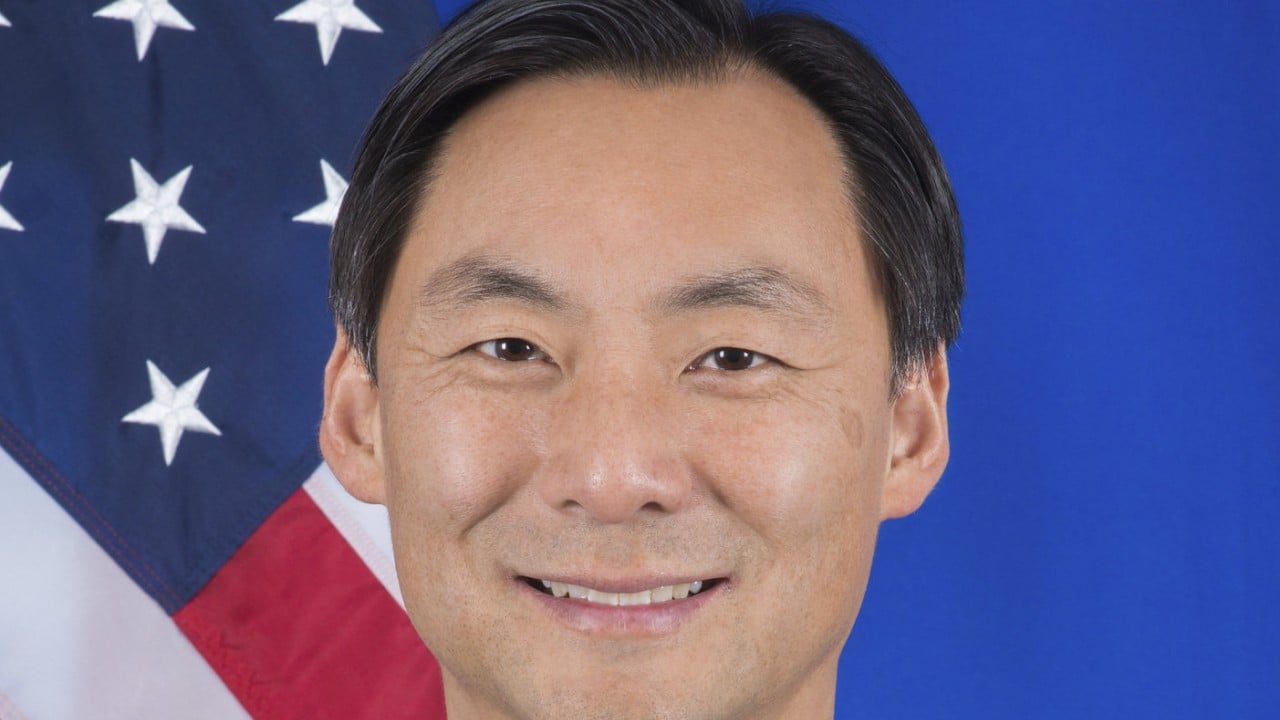
South Korean prosecutors officially charged the former American diplomat with criminal defamation. The target of his online critiques? Lee Jae Myung, the prominent political figure who leads South Korea’s main opposition Democratic Party.
To an American observer, the scenario sounds bizarre, almost surreal. In the United States, public figures face a brutal onslaught of daily criticism. Calling a politician corrupt or incompetent online might lose you friends at a dinner party, but it rarely brings law enforcement to your front door.
Across the Pacific, the legal ground feels entirely different underfoot.
The Weight of a Reputation
South Korea does not treat reputation as a vague personal asset. It protects it with the heavy hand of criminal law.
In many Western jurisdictions, defamation is a civil matter. If someone ruins your reputation with false claims, you sue them for damages in a civil court. You ask for money to repair the harm done to your name.
In Seoul, a libel charge can carry prison time.
More strikingly, South Korean law includes provisions where truth is not always a complete shield. If a statement is made publicly and damages someone's social standing, the prosecutor can move forward regardless of whether the statement carries weight or fact—unless the accused can prove the statement was made solely for the public interest.
Imagine trying to navigate that legal tightrope from thousands of miles away.
Think of a writer crafting a blog post in Virginia. They hit publish, thinking they are engaging in standard political discourse. But the internet has no borders, and the law of the land where those words land is the law that ultimately decides their fate.
Politics in the Digital Age
This legal clash goes deeper than a simple dispute over online commentary. It sits squarely at the intersection of modern political warfare, global communication, and national sovereignty.
Lee Jae Myung is no stranger to intense scrutiny. As a central figure in South Korean politics, his every move is parsed, debated, and weaponized by supporters and detractors alike. When an individual with foreign diplomatic credentials enters the fray, the political temperature spikes instantly.
For South Korean authorities, pressing charges sends an unequivocal message: national borders may be invisible on the internet, but local criminal laws remain fully intact. Foreign commentary on domestic political leaders will not receive a free pass simply because it originates overseas.
For international observers, the indictment raises troubling questions about free expression and the reach of national courts in a connected world.
How does a citizen of one country safely express an opinion about the politics of another? Where does legitimate political commentary end and criminal defamation begin?
A Silent Chill
The broader consequences of this case do not stop with one former diplomat or one South Korean politician. They ripple outward, touching journalists, analysts, and ordinary citizens who comment on foreign affairs.
Consider the atmosphere inside a university think tank or a foreign policy newsroom right now.
An analyst drafts a report on political dynamics in East Asia. They pause over a sentence criticizing a public official's character or motives. A few years ago, the primary concern was accuracy and editorial tone. Today, the draft carries a new, unspoken question: Could this sentence trigger a criminal charge abroad?
The threat of extradition or overseas arrest warrants creates a subtle, creeping silence. People begin to self-censor. They soften their critiques. They leave key observations unwritten.
The open forum of global political debate shrinks just a little bit more.
No Simple Answers
The case against the former diplomat remains an unfolding legal drama. It exposes a fundamental friction in our modern world—the clash between borderless technology and deeply rooted, sovereign legal traditions.
The United States prioritizes wide-open speech, treating robust criticism of political figures as an essential pillar of public life. South Korea balances free expression against the protection of individual dignity and social order, enforcing strict boundaries around personal reputation.
Neither system is likely to yield to the other.
In the middle stands an individual whose words crossed an invisible line in the digital ether, sparking a legal battle that echoes far beyond a single courtroom. The keyboards remain quiet for now, but the precedent set by this indictment will reverberate through global political commentary for years to come.