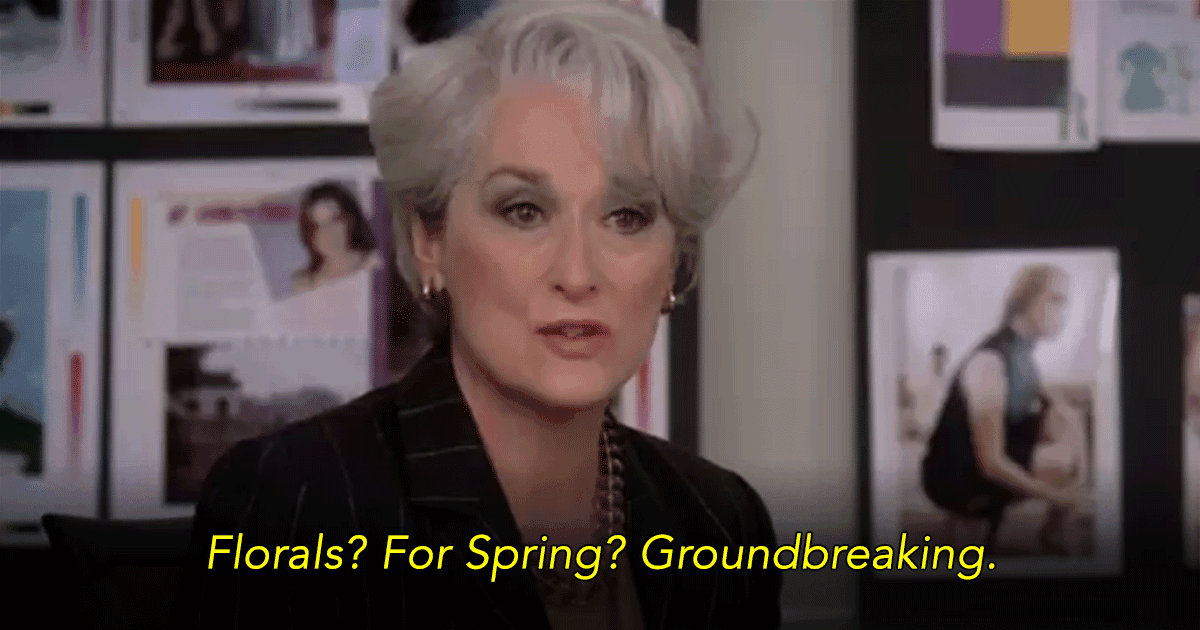
Twenty years ago, Andy Sachs tossed her ringing Chanel-clad phone into a fountain and walked away from a career most girls would kill for. It was a triumphant middle finger to a toxic boss. But in 2026, the triumph has curdled. The sequel to The Devil Wears Prada isn't a cozy nostalgia trip about cerulean sweaters. It's a horror story for anyone who works in a newsroom or a magazine office.
If you've been following the industry news, you know the vibe. Media is shrinking. Ad revenue for print is cratering—falling over 6% year-over-year while digital giants swallow the rest of the pie. In the film, Andy is no longer the wide-eyed assistant. She’s a prize-winning journalist who just got handed a pink slip. Her "serious" outlet is crumbling, and she's forced back into the clutches of Miranda Priestly just to pay the rent. This isn't just a plot point. It’s the lived reality for thousands of media professionals facing "rationalization" and "pivot to video" strategies that usually end in a cardboard box and a security escort.
The prestige trap and the return to Runway
The movie opens with a cold slap. Andy’s awards don't protect her from a "Jeff Bezos-type" billionaire gutting her publication. It's a scenario we've seen play out at places like The Washington Post or Condé Nast. When the high-minded journalism jobs vanish, you go where the money is. For Andy, that means crawling back to Runway as a features editor.
But Runway isn't the invincible fortress it used to be. Miranda Priestly is fighting for her life. The magazine is bleeding cash. The private jets are gone. In one of the most depressing scenes for fans of the original's glamour, Miranda is actually forced to fly coach. You're watching the death of the "Imperial Editor."
The sequel gets one thing very right. In 2026, the enemy isn't just a mean boss. It's the algorithm. The tension isn't just between Andy and Miranda anymore; it's between a legacy of quality and the desperate need for "clicks and eyeballs." Miranda has to listen to her new assistant, Amari (played by Simone Ashley), explain why her old-school critiques of "fat" or "unfashionable" people are PR suicide in a world of body positivity and social media accountability.
Emily is the new boss
While Andy is struggling to stay afloat, Emily Charlton is thriving. The dynamic has flipped. Emily isn't a frantic assistant anymore; she's an executive at Dior. She holds the purse strings. The film highlights a brutal truth about the modern media landscape. The power has shifted from the people who make the content to the brands that buy the ads.
Miranda needs Emily’s advertising dollars to survive. It’s a delicious reversal, but it’s also a commentary on how luxury brands have become recession-proof while the magazines that used to "discover" them are begging for scraps. Emily understands that ultra-luxury for the 0.1% is where the stability lies. She isn't chasing clicks; she's selling a $50,000 handbag to people who don't care about the economy.
Why the pink slips are the real villain
The media industry in 2026 is a game of musical chairs where the music stopped three years ago. We’ve seen Meta lay off 3,000 people and Google offer voluntary buyouts. AI is now doing the "creative and operational" work that used to require a degree and five years of experience.
In The Devil Wears Prada 2, the fear of the pink slip is the engine of the plot. Andy isn't there because she loves fashion. She's there because she's terrified of being irrelevant. The film captures that specific, modern anxiety—the feeling that your expertise is being "democratized" by tools that can churn out "good enough" content for free.
Here’s what the movie tells us about the current state of work:
- Loyalty is a lie. Nigel is still there, still loyal, and still getting stepped on.
- Prestige doesn't pay the bills. You can win all the awards you want, but if the "Digital AdEx" is down, you're out.
- The "Devil" has changed. The villain isn't a person in Prada. It’s a spreadsheet managed by a tech bro who has never read a magazine in his life.
Navigating a landscape that wants to replace you
If you're reading this and feeling the same "pink slip panic" that Andy Sachs feels, there are a few takeaways from the Runway reboot. The film ends not with a grand victory, but with a quiet realization. Success in 2026 isn't about finding the "perfect" job. It's about building a brand that exists outside of a single masthead.
Emily Charlton succeeded because she moved to the "client side." She stopped being the person who writes about the world and became the person who controls a piece of it. Andy’s journey in the sequel suggests that the only way to win is to stop playing by the old rules of "legacy media."
Don't wait for a billionaire to buy your outlet and tell you you’re "redundant." Start looking at where the money is actually flowing. It's moving toward individual creators, niche luxury brands, and tech-driven platforms. If you're a writer or a creator, your goal shouldn't be to work for Miranda Priestly. It should be to make sure Miranda Priestly eventually has to work for you.
The credits roll on a shot of the New York skyline, a nod to the fact that while the players change, the hustle remains the same. If you want to survive the current media purge, start diversifying your skills now. Learn the tech side. Understand the data. Most importantly, don't throw your phone in a fountain—you're probably going to need it to film a TikTok about your next career pivot.