Energy is never just a commodity. It is the invisible pulse keeping hospitals warm, water flowing, and cities breathing through the dark. When geopolitical tensions rise near critical infrastructure, the anxiety felt by ordinary people is real, palpable, and grounded in the very human need for security.
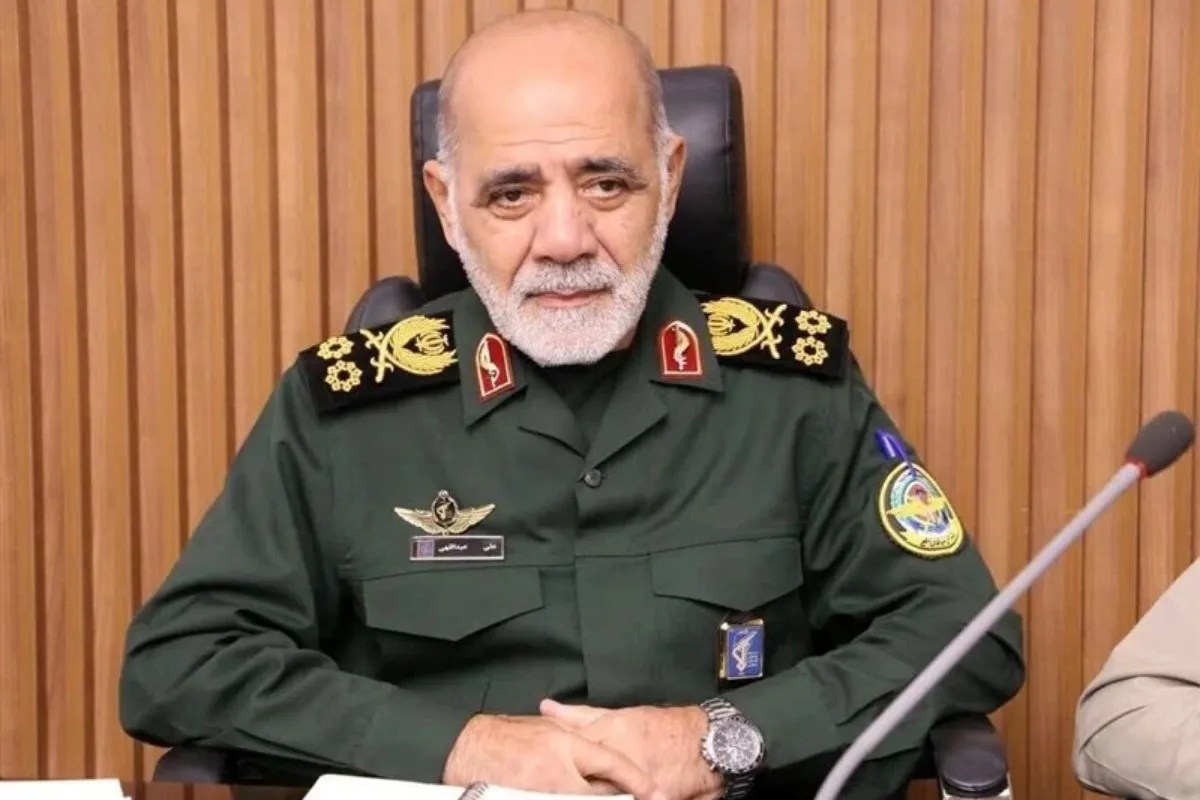
Recent warnings from Iranian officials regarding potential strikes on energy sites highlight how precarious regional stability can be. For families living near these critical zones, the threat is not an abstract headline. It is the quiet worry of what tomorrow might bring.
The Weight of the Grid
Consider what happens when a power plant stops running. The immediate consequence is rarely just an inconvenience.
- Traffic lights go dark.
- Communication networks falter.
- Essential supply chains stutter to a halt.
Energy infrastructure acts as the circulatory system of modern civilization. When threats are exchanged between nations involving these vital nodes, the ripple effects touch markets, fuel prices, and household budgets thousands of miles away.
Understanding the Stakes
Diplomatic standoffs often rely on strategic signaling. Warnings and counter-warnings create an atmosphere of high-stakes deterrence. Yet, behind the official statements and military postures lies a shared recognition of catastrophe. A major disruption to regional energy production would trigger severe economic shockwaves globally, affecting importing nations and exporting economies alike.
History shows that stability in energy markets depends heavily on open communication channels and restraint. Whenever rhetoric sharpens, markets react instantly. Prices fluctuate, futures shift, and policymakers scramble to ensure continuity of supply.
Moving Toward Resolution
The path forward requires careful diplomacy and de-escalation. International observers watch closely, hoping that deterrence remains successful and that physical infrastructure is spared from conflict.
Every escalation carries a cost measured in human anxiety and economic strain. The ultimate goal remains clear: preventing friction from turning into irreversible damage.
The flicker of a single lightbulb depends on an immense, fragile web of global cooperation. When that web is tested, the entire world holds its breath, waiting for cool heads to prevail.