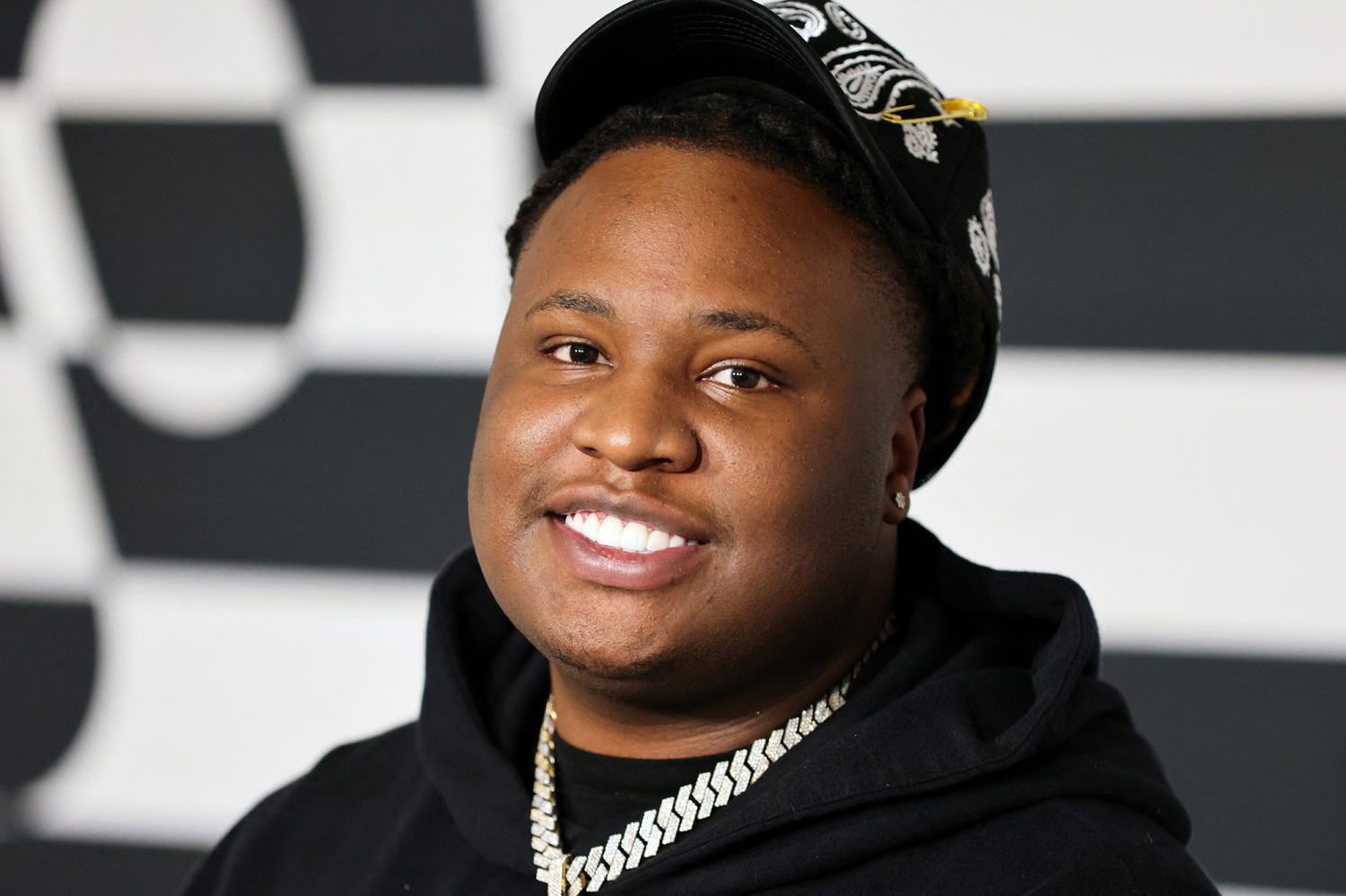
The apartment on Martin Street in Nashville was quiet on Thursday afternoon. Too quiet. When the officers knocked on the door to perform a routine welfare check, they weren't expecting the silence that met them. Inside, they found the unresponsive body of Brytavious Chambers.
He was 29 years old.
To the Metro Nashville Police Department, he was a young man whose death remains unclassified pending autopsy results, though they quickly noted that no foul play is suspected. But to the rest of the world, he was Tay Keith. He was the architect of a sonic earthquake that shook the foundations of modern hip-hop, the man who built the tracks that Drake, Travis Scott, and Beyoncé used to conquer the airwaves.
When a giant falls, the first instinct of the internet is to catalog the metrics. We count the platinum plaques. We tally the Grammy nominations. We look at the Billboard charts where "Sicko Mode" hit number one, "Nonstop" hit number two, and "Look Alive" hit number five. But those numbers are cold. They don't capture the sweat of a teenager in South Memphis remaking Lil Wayne’s "Lollipop" on a cheap keyboard. They don't capture what it felt like to actually hear a Tay Keith beat for the first time.
It was an unholy, beautiful racket.
The bass didn’t just rumble; it violently disrupted the speaker cones. It was an unmistakable, heavy trunk-rattle rooted deeply in the legacy of Three 6 Mafia and DJ Squeeky. He called it the Memphis slap.
Consider the sheer velocity of his rise. In 2018, Chambers was living a bizarre double life. He was a student at Middle Tennessee State University, sprinting across campus to make it to a midterm exam on the exact same day he flew back from a high-powered industry meeting in New York. His parents, trade-educated workers who labored as a locksmith and a cosmetologist, pushed him toward that degree. He became the first generation in his family to graduate.
While he was studying for finals, the music he made with his childhood friend BlocBoy JB caught the ear of Drake. The Canadian superstar wanted that raw, unfiltered Tennessee energy. He got it. "Look Alive" went quintuple platinum, and suddenly, the kid from Memphis wasn't just passing classes—he was dictating the rhythm of global pop culture.
The tragedy of a producer’s death is that they are so often the invisible glue of our lives. You might not have known Brytavious Chambers by face, but you knew him by his tag. When that iconic, unapologetic voice echoed through your car speakers—“Tay Keith, fuck these niggas up!”—you knew exactly what was coming. It was a universal signal to turn the volume until the rearview mirror vibrated. He gave us the soundtrack to our highest highs, our late-night drives, and our wildest summer nights.
Now, the studio monitors are dark.
The most gut-wrenching glimpse into the human cost of this loss didn't come from a press release or a police spokesperson. It came from BlocBoy JB, the artist who stood shoulder-to-shoulder with Chambers when they were just fourteen-year-old dreamers publishing beats on YouTube. On Thursday night, he posted a screenshot of his recent call logs with his late friend.
"We talked everyday," he wrote. "Yeen even tell me you was leaving."
That is the wound that leaves a scar. Behind the multi-platinum certifications and the Forbes 30 Under 30 accolades was a circle of friends and family who just lost a brother, a son, and a lifeline. The music industry will undoubtedly scramble to find the next hitmaker to replicate that signature bounce, but you cannot manufacture the soul of a pioneer.
An autopsy will eventually provide a clinical explanation for why a 29-year-old man stopped breathing in a Nashville apartment. It will offer a medical term to satisfy the record. But it won't explain the sudden, deafening quiet left behind in the culture he helped create.
The drums have stopped, and the silence is absolutely deafening.