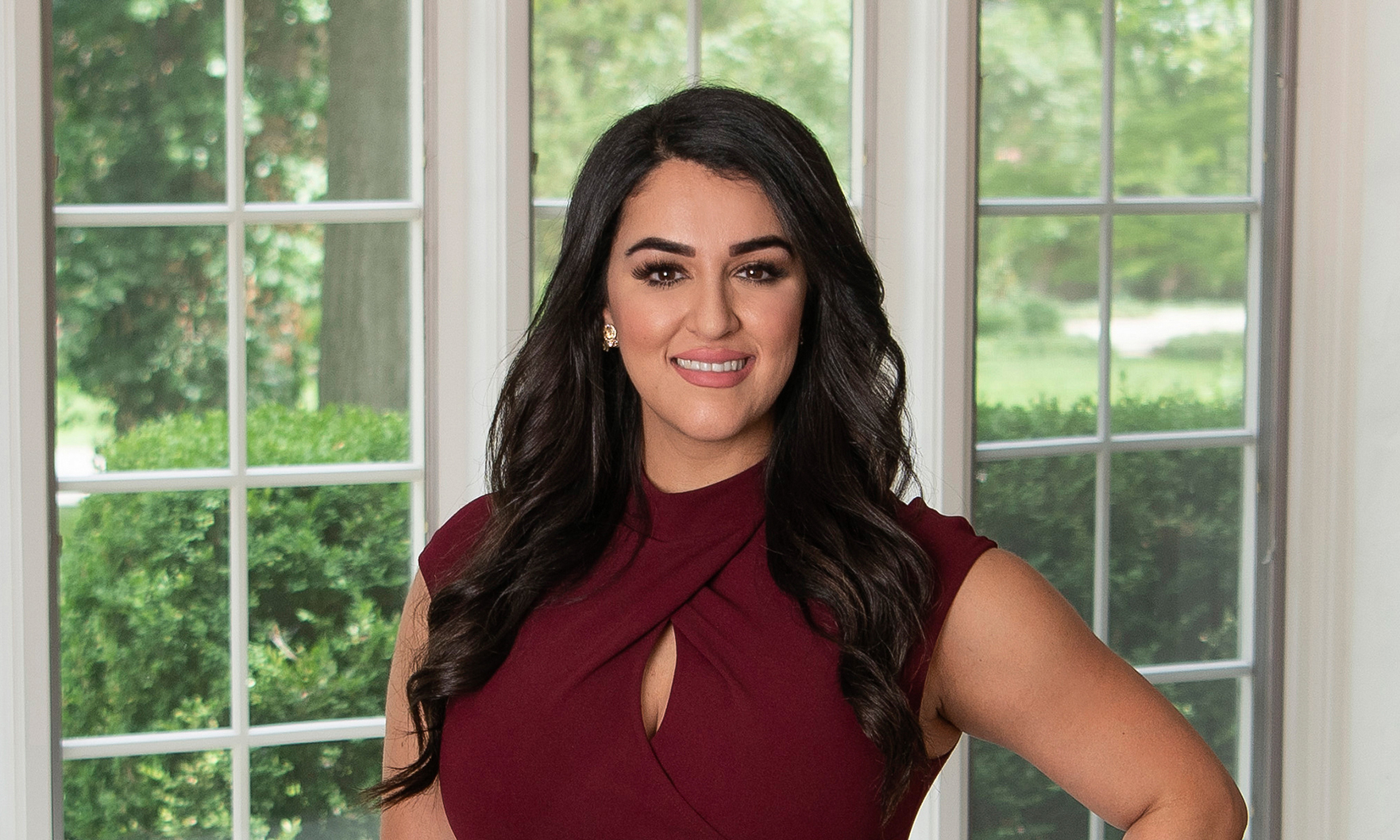
Amal Khalil didn't die instantly. That's the most haunting part of this story. While the world watches headlines flicker across their screens, a veteran journalist spent her final hours trapped under the weight of her own home in Tyre. This wasn't just a "casualty of war" or another name for a spreadsheet. It was a slow, agonizing consequence of a military strike and the deliberate obstruction of the very people who could have saved her.
The Committee to Protect Journalists (CPJ) and local Lebanese media have confirmed the grim details. An Israeli airstrike leveled the building where Khalil, a seasoned reporter for the Lebanese newspaper Al-Akhbar, was staying. For hours, she was alive beneath the concrete. For hours, rescue teams couldn't reach her.
If you think this is just about one person, you're missing the bigger picture. This is about the systematic erosion of the "press" as a protected class. When reporters are targeted or left to die in the rubble because help is blocked, the truth dies with them.
The Targeted Strike on Amal Khalil
Amal Khalil wasn't a stranger to danger. She’d spent years covering the complexities of South Lebanon, often from the front lines. On the day of the strike, she was in a residential area of Tyre, a city that has seen relentless bombardment. The strike didn't just clip the building; it brought the whole thing down.
Rescue workers from the Lebanese Civil Defense and the Islamic Health Authority tried to get to the site. They knew people were trapped. They could hear voices. But they couldn't move. Reports indicate that "double-tap" strikes or the threat of immediate follow-up attacks kept first responders at bay. This isn't a new tactic, but it's a lethal one. It turns a survivable situation into a death sentence.
By the time teams finally cleared enough debris to reach her, it was too late. Amal Khalil was gone. She wasn't carrying a weapon. She was carrying a notebook and a phone.
Why Obstruction of Rescue is a War Crime
International law is pretty clear on this, though you wouldn't know it by looking at the current state of the Middle East. Under the Geneva Conventions, medical personnel and those attempting to rescue civilians must be granted safe passage. Blocking them is a direct violation of international humanitarian law.
When a strike happens, there's a window. It's called the "golden hour." If you get the person out within that timeframe, they live. If you pin them under thousands of pounds of concrete and then threaten to blow up anyone who tries to lift that concrete, you've essentially committed an execution.
The CPJ has been vocal about this. They’ve tracked a terrifying rise in journalist fatalities in Lebanon and Gaza. Amal Khalil’s death brings the tally of media workers killed in this conflict to a level we haven't seen in decades. It's not just "collateral damage." When journalists are killed in their homes or while clearly marked as press, it sends a message: Nowhere is safe, and no one is watching.
The Silence of the International Community
It's frustrating to watch the global reaction to these events. Usually, we get a "deeply concerned" statement from a government spokesperson and then... nothing. No sanctions. No pauses in weapons shipments. No real accountability.
Amal's colleagues at Al-Akhbar described her as a pillar of their newsroom. She knew the villages of the south better than anyone. She told stories of the people who stayed behind when everyone else fled. Losing a journalist like that doesn't just hurt her family; it blinds the rest of us. We lose the eyes and ears on the ground that provide context beyond the military briefings.
We need to stop pretending these are accidents. Modern munitions are precise. If a house is hit, it’s because it was targeted. If rescuers are kept away, it’s a choice.
The Reality for Reporters in South Lebanon
Working in South Lebanon right now is a nightmare. I’ve spoken to reporters who have to decide every morning if wearing their "PRESS" vest makes them safer or makes them a target. In theory, that blue vest is a shield. In practice, it feels like a bullseye.
Journalists there aren't just fighting for the story. They’re fighting for water, for internet, and for the right to exist in a combat zone without being vaporized. Amal Khalil stayed because she believed the story was worth the risk. She was wrong—no story is worth dying under a pile of bricks while rescuers watch from a hundred yards away, unable to move. But her bravery shouldn't be used as an excuse for the failure of international protections.
How to Support Local Journalism
If you're reading this and feeling helpless, you're not alone. But there are things you can actually do. Don't just consume the news; support the people who make it.
- Support Organizations like CPJ and Reporters Without Borders (RSF). They don't just write reports. They provide emergency grants, legal aid, and safety gear to journalists in high-risk areas.
- Demand Accountability. If your government is providing military aid to countries involved in these strikes, write to your representatives. Ask why that aid continues when international law regarding the press is being ignored.
- Read Local. Don't just stick to the big Western outlets. Read the translated reports from Lebanese journalists. See the names and the faces of the people behind the statistics.
The death of Amal Khalil is a tragedy that didn't have to happen. She was trapped. She was waiting. And the world let the clock run out. We can't bring her back, but we can stop treating the deaths of journalists as an inevitable part of war. It's a choice. And right now, the world is choosing to look away.