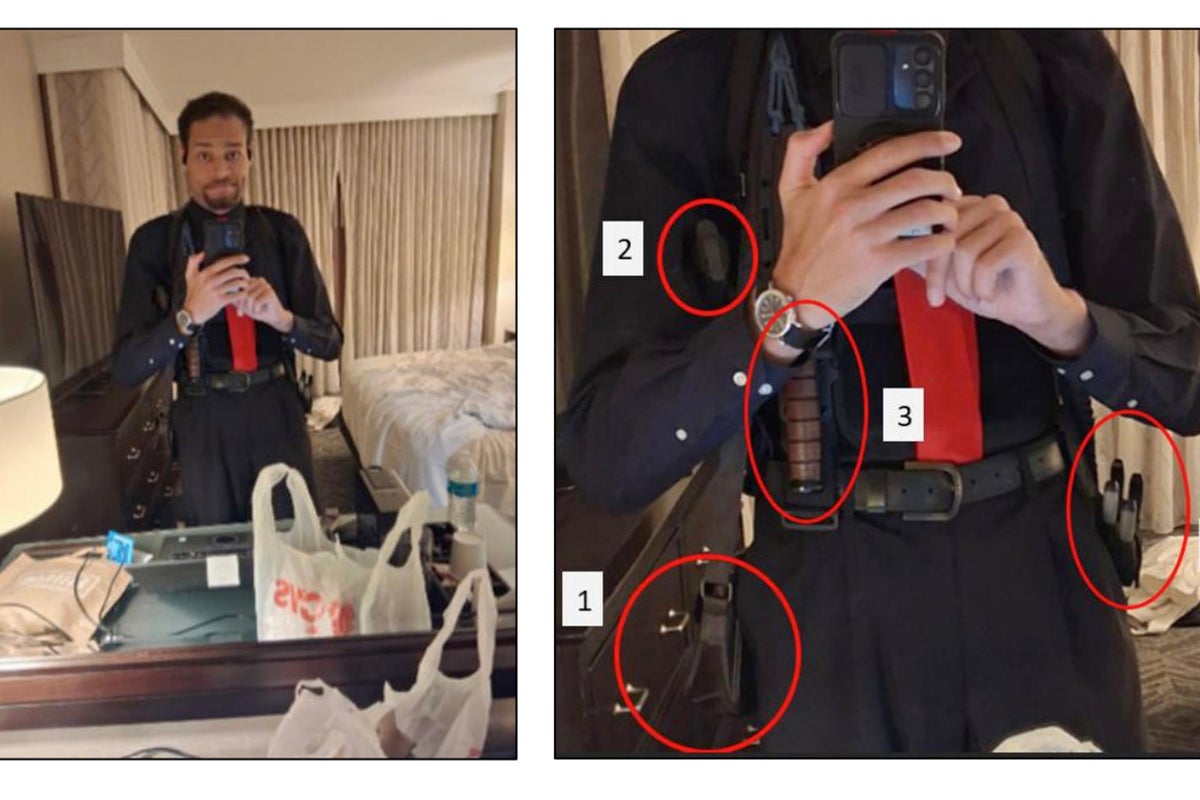
A federal judge ruled today that the suspect behind the shooting at the White House Correspondents’ Association dinner will remain behind bars without bond. This decision is more than a standard pretrial detention. It is a stark admission of a massive security breakdown that occurred at one of the most protected events in the world. While the legal system focuses on the individual in custody, the real story lies in how a firearm made it past a multi-layered security perimeter involving the Secret Service, Metropolitan Police, and private contractors.
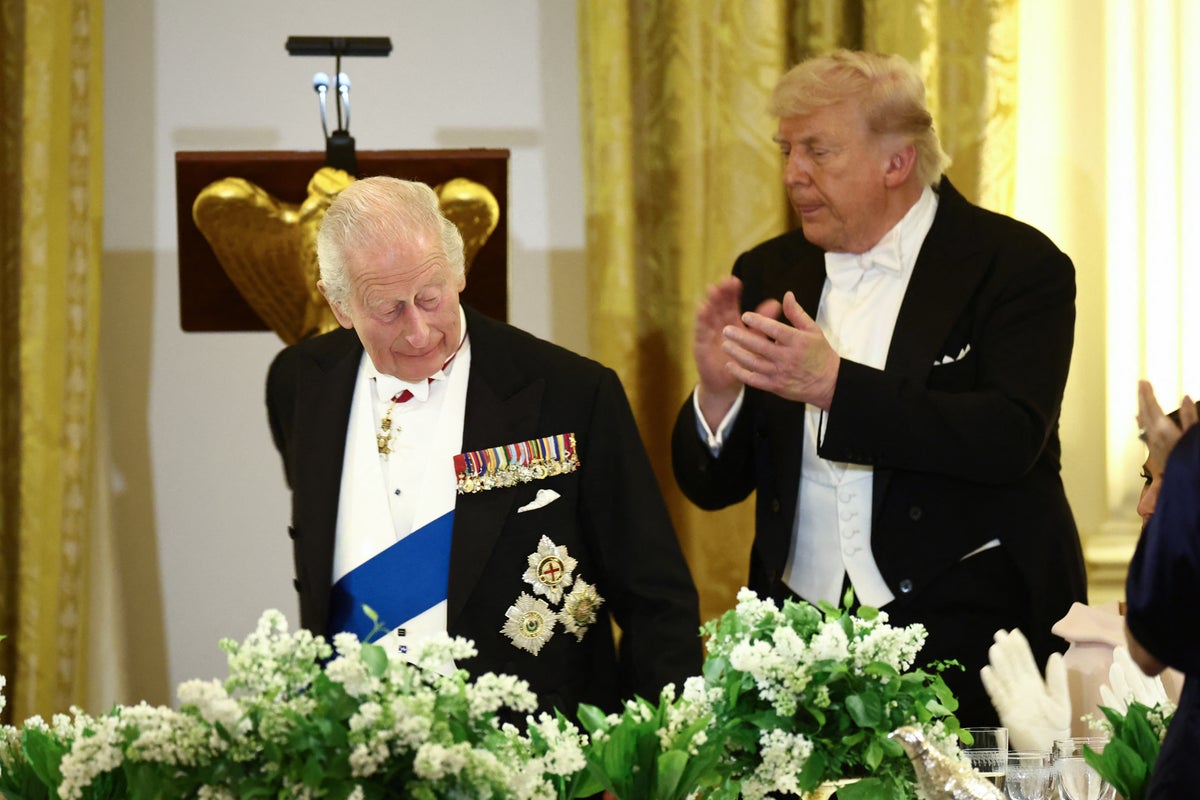
The suspect, whose identity and alleged motives are now part of a high-stakes federal investigation, represents a nightmare scenario for the District’s elite. For decades, the WHCA dinner has been a symbol of the "nerd prom," a night where the press and the presidency trade barbs in a room packed with every major power player in the capital. That room is now a crime scene in the public imagination. The court’s refusal to grant bail reflects the extreme danger posed by the breach, but the legal proceedings are merely the first layer of a much larger reckoning for federal law enforcement.
A Perimeter of Sand
The security plan for the dinner was supposed to be impenetrable. It failed. When you look at the mechanics of an event with "National Special Security Event" (NSSE) level precautions, the failure points are usually found in the handoffs between agencies. In this instance, the shooter didn't just bypass a metal detector. They navigated a gauntlet of checkpoints designed to catch exactly this type of threat.
We are seeing a systemic collapse of the "soft perimeter." This is the area just outside the primary magnetometers where crowds gather and credentials are checked. It is a zone of high friction and high distraction. Sources within the security detail suggest that the volume of guests—ranging from Hollywood A-listers to mid-level lobbyists—created a backlog that forced agents to prioritize speed over scrutiny. It is a classic trade-off. When the line stretches around the block and the President is about to take the stage, the pressure to "keep it moving" becomes a tactical liability.
The Motive and the Method
Investigators are currently scrubing the suspect’s digital history, looking for the specific trigger that led to this escalation. But the focus on the "why" often obscures the "how." The weapon used was not a ghost gun or a sophisticated piece of military hardware. It was a standard handgun that should have been flagged by even the most basic X-ray tech.
The fact that the suspect will remain in custody indicates that the government believes this was not a spontaneous act of madness. It was planned. Pre-meditation in a high-security environment suggests a level of reconnaissance that should have tripped alarms weeks ago. If an individual can scout the Washington Hilton, identify a blind spot in the Secret Service’s camera coverage, and successfully smuggle a weapon into the ballroom, the current security model is effectively obsolete.
The Intelligence Gap
Federal prosecutors argued for detention based on the risk to the community, but they are also protecting an ongoing investigation into potential accomplices. The "lone wolf" narrative is the easiest for the public to swallow, yet it is rarely that simple in D.C. Whether it was an ideological driver or a personal vendetta, the suspect managed to exploit a specific gap in the intelligence-sharing network between local police and federal monitors.
The Metropolitan Police Department (MPD) often handles the exterior, while the Secret Service handles the interior. That transition point is a no-man's land. If the suspect was acting on a watchlist, or even if they had exhibited "concerning behavior" in the days leading up to the event, that information didn't make it to the people manning the doors. This is a recurring theme in American security failures: the data exists, but it isn't used in real-time.
The Courtroom as a Shield
By keeping the suspect in custody, the government is also buying time to control the narrative. A public release would lead to a media circus that could compromise the chain of evidence. More importantly, it prevents the suspect from becoming a martyr for whatever cause they claim to represent.
The judge’s ruling was swift. The evidence presented behind closed doors likely included details of the suspect’s preparation that have not yet been leaked to the press. When a judge cites "overwhelming evidence of a threat to the public order," they aren't just talking about the shooting itself. They are talking about what the suspect might do if they were given a second chance.
The Broken Infrastructure of Elite Protection
We have reached a point where the sheer scale of these events makes them impossible to secure. You cannot have 2,600 guests, hundreds of waitstaff, and a fleet of media crews in one room without creating thousands of potential points of entry for a weapon. The "security theater" we have accepted for the last twenty years is being tested by individuals who understand how to blend into the chaos of the elite.
The WHCA dinner has always been a target, but it was protected by an aura of "it can't happen here." That aura is gone. The suspect didn't need to be a master assassin; they just needed to be patient. They waited for the moment when the guards were tired, the guests were loud, and the system was at its most vulnerable.
The Cost of Complacency
The industry analyst view of this is grim. Security costs for high-profile political events are expected to triple in the next fiscal year. This isn't just about more boots on the ground. It's about a complete overhaul of how we screen attendees. Expect to see "biometric-only" entry points and AI-driven behavioral analysis at every major D.C. function from here on out.
The irony is that as the security gets tighter, the events become less accessible, which only fuels the resentment that often drives these attacks in the first place. It is a self-feeding cycle. The more the elite barricade themselves, the more they become a symbol of something that needs to be breached.
The Legal Road Ahead
The suspect’s defense team is already signaling a strategy based on mental health, a common tactic when the physical evidence is undeniable. However, the federal government is likely to push for a high-profile trial to demonstrate that any attempt on the lives of those within the presidential orbit will be met with the full force of the law.
The detention hearing was just the opening salvo. In the coming months, we will see a series of motions aimed at suppressing evidence found on the suspect's devices. If those devices contain proof of a larger conspiracy or a failure in federal surveillance, the trial could become an embarrassment for the very agencies that are currently keeping the suspect under lock and key.
A Shadow Over the First Amendment
There is a deeper, more uncomfortable reality here. The shooting didn't just target individuals; it targeted the intersection of the press and the government. For a suspect to choose the White House Correspondents' Dinner is a deliberate strike at the heart of the American information machine.
If journalists cannot feel safe while performing their roles at the highest levels of government, the "chilling effect" becomes a physical reality. We are no longer talking about online threats or verbal harassment. We are talking about live fire in a room meant for the peaceful exchange of ideas, however staged those ideas may be.
The suspect stays in jail, but the fear stays in the room. The next time the President takes a podium in a hotel ballroom, every person in that audience will be looking at the exits. They will be wondering if the person sitting next to them, despite the tuxedo and the credential, is carrying more than just a notepad. The security failure at the Washington Hilton has permanently changed the geometry of power in the capital.
Law enforcement must now move beyond the "fortress" mentality and start addressing the intelligence gaps that allowed a gunman to walk into the inner sanctum of American power. If they don't, the next breach won't end with a suspect in custody; it will end with a vacancy in the high offices of the land. Focus on the checkpoints, or prepare for the consequences.