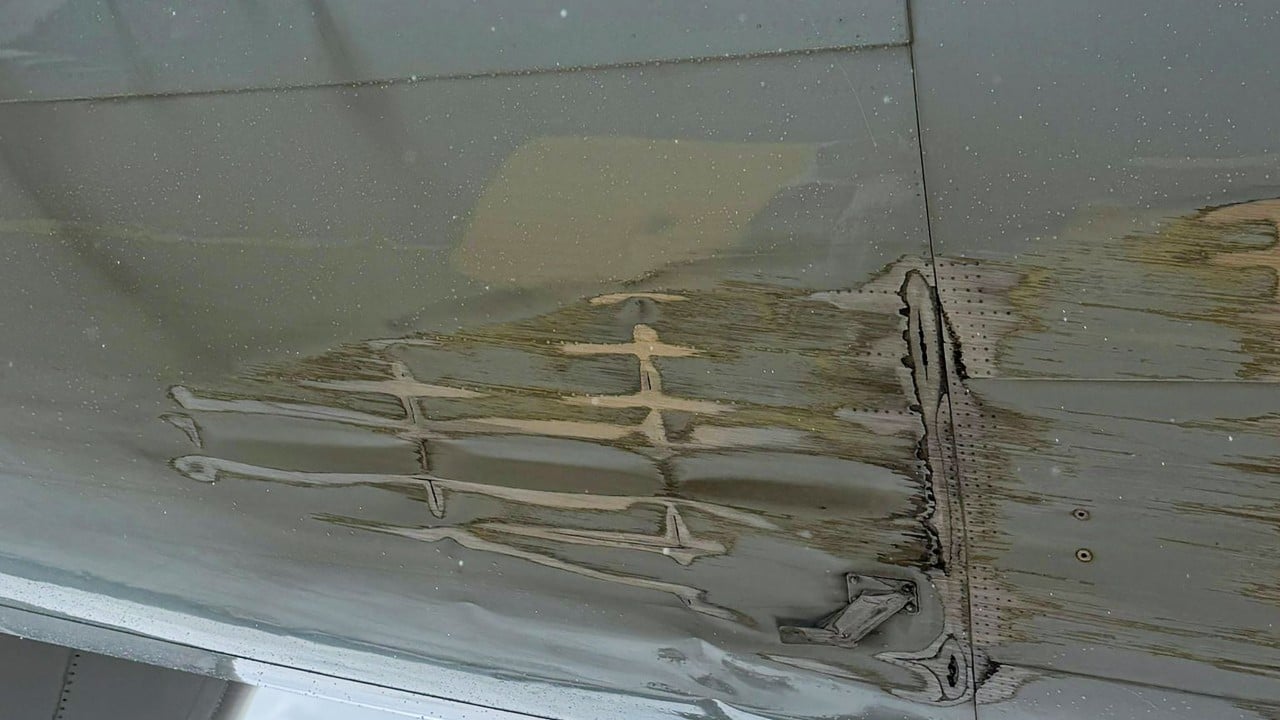
A Cathay Pacific passenger jet recently scraped its tail along the runway during operations at Hong Kong International Airport, an event known in aviation as a tail strike. The airline confirmed the incident, grounded the airframe, and initiated a mandatory safety review. While a tail strike can appear to be a minor operational scrape on the surface, it represents a severe structural threat to the aircraft and reveals deep vulnerabilities in flight deck management. This specific event exposes a troubling intersection of modern aircraft geometry, volatile coastal weather patterns, and the intense economic realities currently squeezing commercial aviation pipelines.
Understanding this incident requires looking past the brief corporate statements issued in the aftermath. Aviation safety depends on razor-thin margins, and when a multi-ton transport category aircraft misjudges its attitude by a few fractions of a degree, the consequences are immediate, costly, and potentially catastrophic.
The Brutal Physics of Stretched Fuselages
Modern commercial aviation relies heavily on a manufacturing strategy known as stretching. Instead of designing a completely new airplane from scratch, manufacturers take an existing, proven design and insert fuselage plugs ahead of and behind the wings to increase passenger capacity. This keeps development costs low and allows airlines to fly more revenue-generating seats using the same pilot type ratings.
But this efficiency comes with a steep aerodynamic and geometric penalty.
When a fuselage is lengthened, the distance from the main landing gear to the extreme rear of the aircraft increases significantly. During takeoff or landing, the main landing gear acts as a fulcrum. As the nose rises, the tail swings downward toward the pavement. On a standard-length aircraft, the tail might clear the runway by several feet during a normal rotation. On a stretched variant, that clearance margin shrinks to a matter of inches.
Consider the geometry of a typical landing flare. A pilot must raise the nose to slow the descent rate just before touchdown. If the approach is unstable, or if the aircraft encounters sudden wind shear, the pilot might instinctively pull back too hard on the controls. On a stretched airframe, an extra two degrees of pitch attitude is all it takes to bridge the gap between a safe touchdown and a violent runway contact. The metal skin of the lower aft fuselage is dragged against grooved concrete at speeds exceeding 140 knots, grinding away structural frames and threatening the integrity of the rear pressure bulkhead.
The Pressure Bulkhead Nightmare
The true danger of a tail strike is rarely felt during the initial impact. The real threat lies in hidden structural damage, specifically to the rear pressure bulkhead. This dome-shaped internal wall seals the pressurized cabin from the unpressurized tail cone. It is the only barrier keeping the cabin air at a breathable density while flying at 35,000 feet.
History offers grim reminders of what happens when tail strike repairs are mismanaged. In 1985, Japan Air Lines Flight 123 suffered a catastrophic explosive decompression that destroyed its vertical stabilizer, leading to the deadliest single-aircraft accident in history. The root cause was a faulty repair made years earlier after a tail strike incident. The technicians failed to follow exact specifications, doubling a row of rivets instead of using a proper splice plate, which caused the metal to fatigue and eventually fail under pressure.
Because of these historical precedents, modern maintenance protocols for runway contact are uncompromising. Technicians must conduct non-destructive testing, including ultrasonic and X-ray inspections, to check for micro-cracks in the internal framing. The aircraft cannot simply be patched and sent back into the sky. It must undergo rigorous teardowns that can keep an expensive asset out of service for weeks, costing the airline millions in lost revenue and specialized engineering labor.
The Hong Kong Crucible
Operating out of Hong Kong International Airport introduces unique environmental hazards that test even veteran flight crews. Built on reclaimed land surrounded by open water and mountainous terrain, the airport is a notorious hotbed for low-level wind shear and sudden crosswind shifts.
Lantau Island, situated just south of the runways, acts as a massive mechanical barrier to prevailing winds. As strong winds blow over the island's peaks, they break into turbulent eddies and violent downdrafts that spill directly across the approach paths of Runways 07 and 25. A pilot stabilizing an aircraft on a short final approach can experience a sudden, drastic drop in airspeed or a sharp lateral shift within seconds of touchdown.
Correcting for these micro-climatic shifts requires exceptional spatial awareness and rapid control inputs. If an aircraft experiences a sudden loss of lift near the ground, the natural human reaction is to pull back on the control column to arrest the sink rate. However, if the aircraft is already at a high pitch angle, this reflexive correction guarantees a tail strike. Flight crews must balance the instinct to stop a hard landing against the physical limits of the airframe geometry, a task made immensely more difficult when dealing with shifting coastal winds.
Squeezed Training Pipelines and Experience Dilution
The broader context of this incident involves a global aviation industry struggling to balance rapid capacity growth with experience retention. The pandemic era forced early retirements for thousands of senior captains worldwide. The subsequent rebound in travel demand triggered an unprecedented hiring wave, accelerating promotion timelines and placing younger, less experienced first officers into demanding operating environments.
Simulators do an excellent job of teaching procedural compliance and systems management. They are less effective at replicating the subtle, visceral seat-of-the-pants feedback that tells a pilot an aircraft is losing energy right before touchdown. True proficiency in handling an aircraft through severe wind shear or managing a bounced landing requires hours of real-world experience in the flight deck.
When airlines scale up operations rapidly, the average flight-hour experience level across the entire pilot roster drops. A captain with twenty years of experience navigating the turbulent approaches of Asia reacts differently to an unstable approach than a newly upgraded captain working under the pressure of tight turn times and fuel-saving targets. The margin for error disappears when less experienced crews are paired together on stretched airframes during challenging meteorological conditions.
The investigation into this Cathay Pacific incident will undoubtedly scrutinize the flight data recorder to determine the exact control inputs made in the final seconds of the flight. Investigators will look at whether the approach was stabilized, how the crew responded to environmental variables, and whether training protocols adequately prepared them for the tight geometric tolerances of the specific airframe. The incident serves as a stark warning that no matter how advanced automated flight guidance systems become, the laws of physics remain absolute, and the concrete of the runway is entirely unforgiving.



