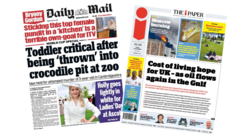
Open any news app today and the whiplash will hit you instantly. The front pages present a bizarre, jarring mix of human misery and sterile economic optimism. On one side, you read the heartbreaking news of a toddler critical in the hospital after a sudden accident. Right next to it, a flashing banner proclaims a new wave of cost of living hope because inflation ticked down by a fraction of a percent.
It feels completely wrong. It is wrong. How are we supposed to process a devastating family tragedy in the same breath as a government press release about macroeconomic data?
This is the current state of our daily information diet. We are forced to navigate intense personal tragedies alongside systemic economic anxiety. For most regular people, the promised cost of living hope feels incredibly distant, if not entirely fake. Rent is still sky-high. Groceries require a strategic financial plan. Energy bills make people wince.
We need to dissect what these headlines actually mean for your wallet and your sanity. Let's look past the media spin to see what is really happening on the ground.
The truth behind the cost of living hope headlines
When politicians and economists start talking about economic relief, they rely on numbers that don't match the everyday experience of buying milk or paying a mortgage.
A tiny drop in the inflation rate is usually the catalyst for these optimistic front pages. The media runs with it. They call it a turning point. But let's be totally honest about what a dropping inflation rate actually means. It does not mean prices are going down. It simply means prices are rising a little bit slower than they were before.
If your weekly shop went from $100 to $150 over the last two years, a slowdown in inflation just means it might go up to $153 instead of $160 next month. That isn't a price cut. It's just a slower march toward unaffordability.
The disconnect between official data and real life comes down to a few specific factors.
The lag in everyday retail prices
Wholesale energy markets might settle down, but corporations rarely pass those savings onto consumers immediately. They wait. They maximize their margins. You keep paying the inflated price at the pump or at the checkout counter for months after the official economic indicators claim things have improved.
The compounding effect of consecutive hikes
A family budget doesn't reset at the end of the fiscal year. The financial hits compound. When rent increases three years in a row, a sudden pause in the rate of increase doesn't fix the damage that has already been done to your savings account.
Localized inflation anomalies
National statistics are an average. They include everything from luxury cars to corporate software. If you live in an area where local insurance premiums or property taxes have spiked wildly, the national average means absolutely nothing to you. Your personal inflation rate is much higher than the official number.
Why the media pairs human tragedy with economic speculation
The coexistence of a headline about a toddler critical after an incident and an article about economic hope isn't an accident. It's a fundamental feature of the modern media machine. News outlets have to capture the full spectrum of human attention within a single scroll.
Tragedy connects with our deepest fears and empathy. Economic news targets our daily stress. By placing them side by side, media outlets create a psychological loop that keeps people hooked. You check the status of the injured child out of genuine human concern, and then you click the economic article out of a desperate need for some good news.
The problem is that this constant exposure to contrasting extremes numbs our ability to process either headline effectively. True empathy requires space. Financial planning requires a clear head. The news cycle grants us neither.
Instead of letting the headlines dictate your emotional state or your financial outlook, you have to look at the hard realities of your own bank statement. Relying on national media to tell you when your life is getting easier is a losing strategy.
How to find actual financial relief without relying on headlines
If you want real cost of living hope, you have to manufacture it yourself within your own household. Waiting for interest rates to plummet or for corporations to suddenly become charitable is a waste of time.
True financial stability right now comes from aggressive, deliberate changes to how you manage your money.
Auditing your fixed recurring commitments
Most people focus on small variable expenses like cutting out their morning coffee. That is a mistake. It is exhausting and saves pennies. Instead, look at your largest fixed bills. Call your internet provider and demand a lower rate or threaten to switch. Do the same with your insurance policies. Shopping around for car and home insurance once a year can save hundreds of dollars with a single afternoon of effort.
Shifting away from premium grocery brands
Supermarkets are experts at psychological pricing. The brand-name items are placed at eye level, while the store-brand equivalents sit on the bottom shelf with identical ingredients and a 40% lower price tag. Make a conscious choice to drop down one tier in branding for everything you buy. If you don't notice a difference in taste or quality, keep the cheaper option permanently.
Eliminating phantom subscription drains
Take a look at your bank statements from the last three months. Look for the small, automated deductions. The streaming service you haven't watched since last winter. The app subscription you forgot to cancel after the free trial. The gym membership you don't use. Cancel them all today. You can always sign up again later if you truly miss them.
Reclaiming control from the news cycle
The world will always be filled with unpredictable events. There will always be tragic stories of families facing unthinkable medical emergencies, and there will always be economists predicting either doom or prosperity.
Stop checking the news for validation of your financial reality. Your reality is defined by your income, your expenses, and your savings strategy.
Take a break from the endless scroll. Turn off the push notifications that try to balance tragedy and hope in a single screen. Focus entirely on the variables you can actually control within your own walls. Review your expenses today, make the necessary cuts, and build your own security.