Airports are places defined by motion. Millions of travelers rush past baggage carousels, glancing at flight status monitors, entirely unaware of the invisible machinery keeping the terminal alive. Behind the sliding doors and security checkpoints, beneath the roar of jet engines, lies an entirely different ecosystem. It is a world built on shift work, shared break rooms, and the quiet camaraderie of people who load the cargo and guide the planes.
For Niena Allen, that workplace was supposed to be a livelihood. As a baggage handler for Piedmont Airlines, a subsidiary of American Airlines, at Phoenix Sky Harbor International Airport, her daily life revolved around heavy lifting, strict schedules, and the predictable rhythms of aviation logistics. But under the fluorescent lights of the terminal's backrooms, another rhythm was taking root. A darker undercurrent was moving through the hallways, one that treated human dignity as entirely optional.
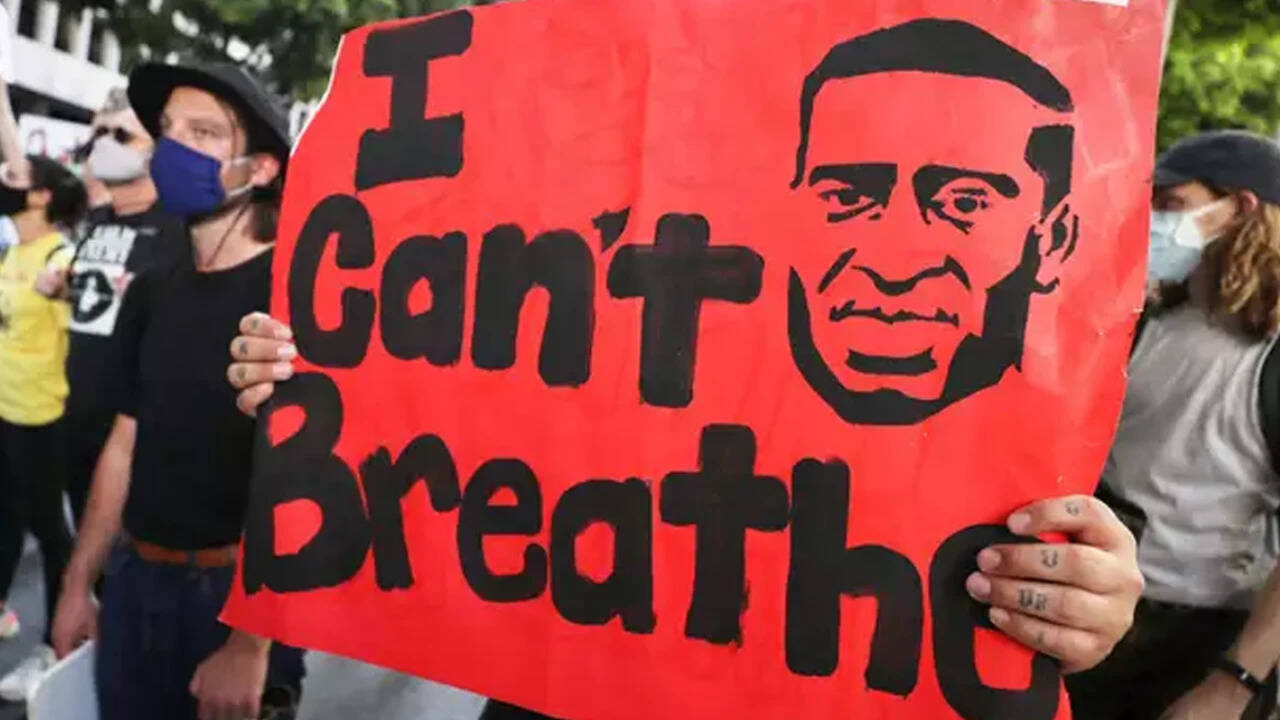
Imagine walking into a shared staff bulletin board, a space meant for shift schedules and company notices, only to find a photograph mocking a modern American tragedy. In 2023, two white supervisors allegedly pinned up an image of themselves reenacting the murder of George Floyd. Think about that for a moment. This was not a private joke told in a whisper behind closed doors. It was displayed openly, a visual declaration of contempt mounted on corkboard for workers to see as they punched in for a grueling shift.
When Allen and her colleagues raised their voices against the image, the response from the system was fractured and telling. The supervisors pictured were eventually fired, but the person who snapped the photo and posted it walked away untouched, later even finding themselves promoted. It is a textbook study in institutional half-measures. Accountability is applied like a drop of water on a scorching sidewalk, evaporating before it can ever cool the surface.
Consider what happens next because the climate of impunity only feeds on silence.
Months bled into years, and the environment at Sky Harbor hardened. In the oversize baggage area, a noose was discovered hanging in plain sight. A noose is not ambiguous debris. It is a centuries-old American artifact of terror, heavy with the specific weight of racial violence. When workers reported it, the corporate machinery stalled. Investigations vanished into bureaucratic filing cabinets. No one was disciplined. The message delivered to the workforce was unmistakable: certain symbols are allowed to breathe here.
The escalation did not stop at structural threats. By February 2025, the break room had transformed into something resembling an open theater of intimidation. Several white employees sat together, casually quoting racist dialogue from Quentin Tarantino's film Django Unchained. When Allen reported this ongoing harassment to management, she was given an extraordinary instruction. Managers told her to walk back into the break room and take photographs of the men.
Picture being asked to collect your own evidence while the people endangering you watch you walk back through the door. When Allen returned with her phone, she witnessed an employee sitting with a bag pulled entirely over his head, arranged deliberately to mimic a Ku Klux Klan hood. Those individuals remained employed at the airport.
This is where the abstract concept of a hostile work environment sheds its legal jargon and reveals its human cost. A workplace hostile to one group of people is not merely unpleasant; it is psychologically exhausting. It forces employees to perform their jobs while constantly calculating their physical safety. Every dropped bag, every delayed flight, and every routine turnaround happens against a background hum of anxiety.
The federal lawsuit filed by Allen's estate lays bare a stark double standard that governed daily operations at the airport. The complaint details a persistent pattern where white employees received lenient slaps on the wrist for serious operational misconduct, while Black workers faced swift termination or severe discipline for minor infractions. In one instance, a white worker crashed a company vehicle directly onto the airport tarmac without facing reprimand. Meanwhile, Black colleagues were scrutinized and punished for infractions that barely registered on the disciplinary scale. In another encounter, a Black employee was cornered in a shared break room by a white American Airlines worker who barked that she did not belong there, punctuation landing with a direct racial slur.
Systems do not break down all at once. They fail through a thousand tiny concessions. Every time a complaint is filed and ignored, every time a supervisor is protected instead of reprimanded, and every time management looks away to preserve operational convenience, the foundation cracks a little more.
Niena Allen is no longer here to see the outcome of the federal complaint she fought to put into motion. Her estate carries the banner forward, dragging these hidden break room dynamics out from under the fluorescent lights and into the harsh glare of public accountability. What happened beneath the roof of Phoenix Sky Harbor International Airport is a reminder that corporate logos and polite customer service facades often conceal deep structural rot.
The planes continue to land on schedule. Passengers stream through the terminals, carrying their luggage, listening to gate announcements, and trusting the invisible hands that guide their transit. But down in the belly of the airport, the concrete floor remains unchanged, bearing the weight of everything that was allowed to happen in the dark.


