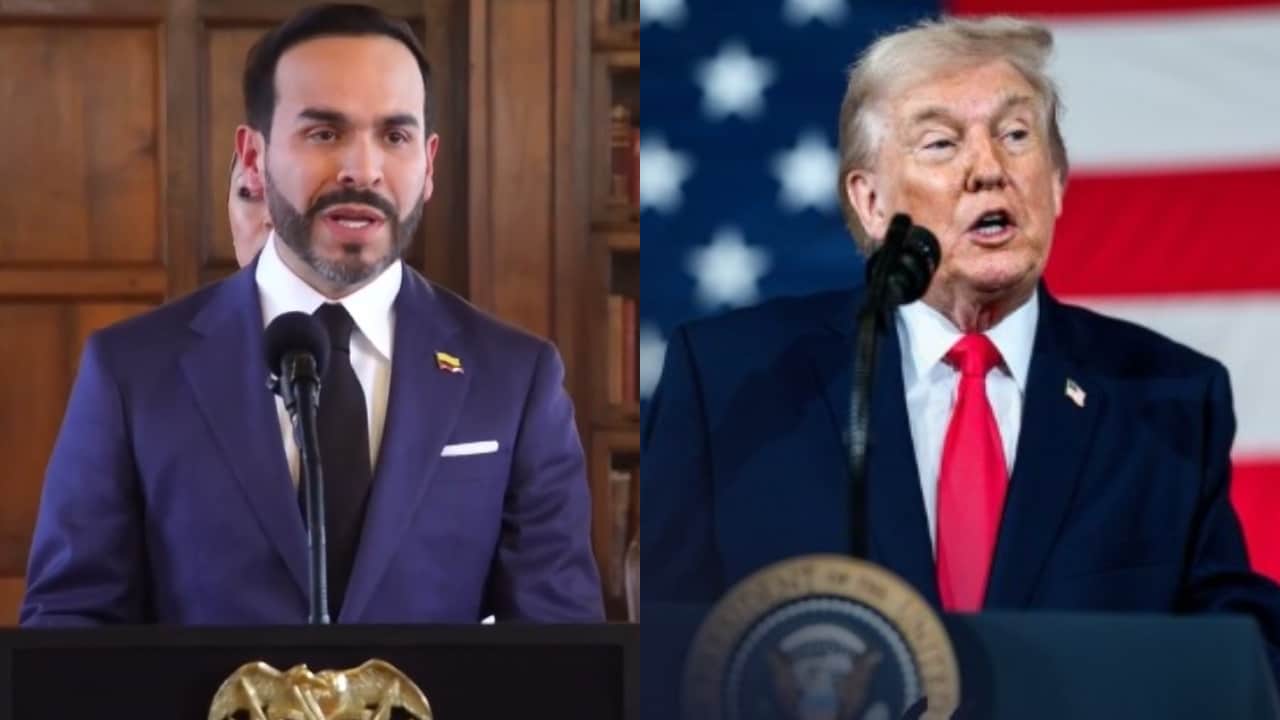
Disaster hits hard. Then policy makes it worse. Following a catastrophic 7.4-magnitude earthquake that left nearly 300 dead and destroyed close to 13,000 homes, Colombia's newly elected president, Abelardo de la Espriella, picked up the phone to Washington with a direct plea.
He didn't just ask for rescue aid. He asked US President Donald Trump to temporarily freeze the punishing trade barriers currently squeezing the nation's fragile economy.
If you're wondering why trade policy suddenly matters in the middle of a humanitarian crisis, the answer is simple. Reconstruction costs are projected to hit billions, and local business owners are caught between rebuilding ruined cities and paying steep export penalties.
The Economic Double Whammy Facing Colombia
Let's look at the numbers. On July 24, US tariffs on Colombian products jumped from 10% to 12.5%. While commodities like oil and coffee managed to secure exceptions, the broader manufacturing and export sectors took a direct hit.
Then came August 10. A massive tremor ripped through western regions, devastating major economic and residential hubs like Cali and Pereira.
De la Espriella didn't mince words about the situation he walked into after succeeding former president Gustavo Petro. Inheriting an already strained financial climate, the administration now faces an estimated $6.4 billion rebuilding bill. Pushing through a heavy export tax while families dig through rubble makes economic recovery nearly impossible.
Inside the Ten-Minute Phone Call
Diplomacy often happens behind closed doors, but this conversation played out publicly on social media. De la Espriella revealed details of a ten-minute phone call with Trump, describing the exchange as warm and cordial.
Trump reportedly offered condolences for the lives lost in the quake and expressed solidarity with affected families. But political warmth doesn't automatically translate to policy changes.
The US administration enacted these Section 301 tariffs under the Trade Act of 1974, targeting roughly 60 nations over labor policy disputes. Rolling back those levies—even temporarily—requires breaking standard bureaucratic protocol.
What Happens Next for Trade and Reconstruction
Colombia sits in a unique geopolitical position right now. De la Espriella has aligned closely with Washington's regional security framework, joining the anti-cartel coalition known as the Shield of the Americas alongside leaders in Argentina, Ecuador, and El Salvador. That close political alignment gives Bogotá leverage, but trade hawks in Washington rarely pause tariffs easily.
Finance Minister Miguel Gomez has signaled that the government wants to avoid raising domestic taxes to fund the multi-billion dollar recovery effort. That leaves export revenue as one of the few lifelines available. If Washington refuses the tariff suspension, Colombian businesses will bear the brunt of both natural destruction and artificial trade barriers.
Keep an eye on how the White House responds to the formal request. The outcome will test whether strategic alliances can bend rigid trade enforcement when disaster strikes.



:max_bytes(150000):strip_icc():focal(978x513:980x515):format(webp)/john-gotti-victoria-digiorgio-1-b70bb6cdfc0947909d0f0c40762ebff6.jpg)