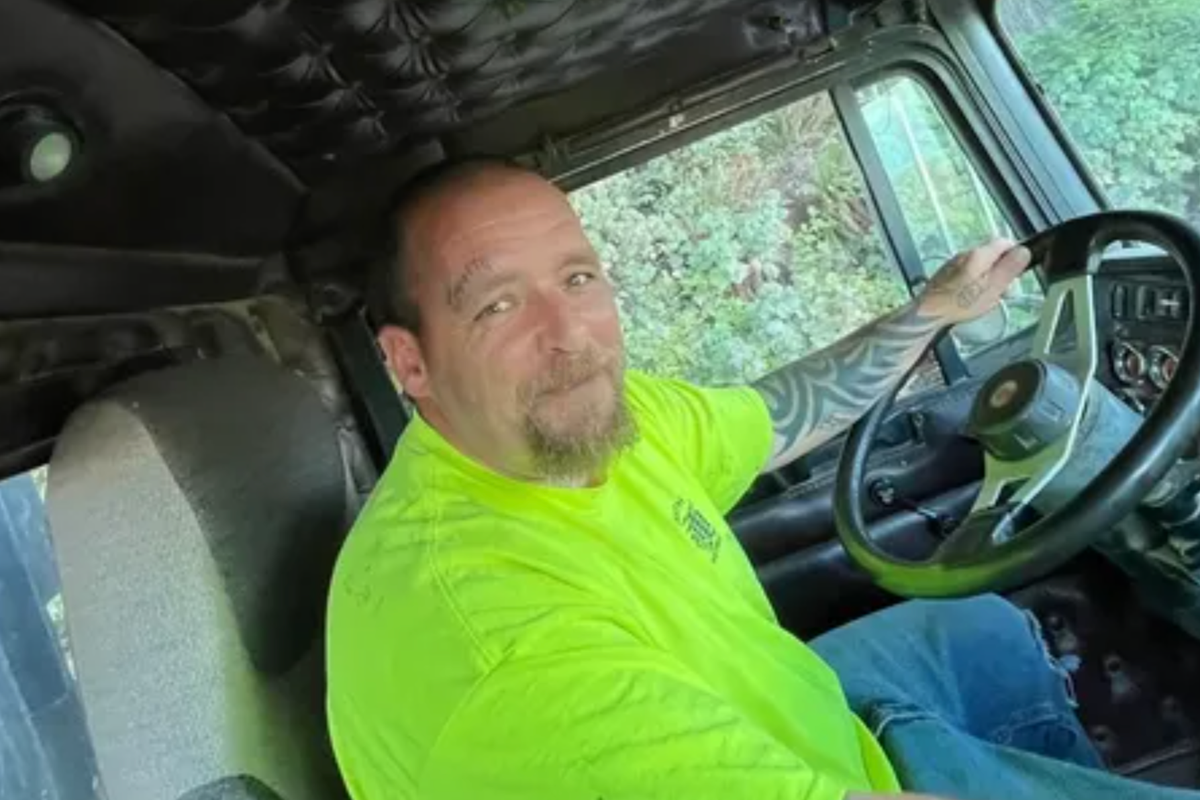
You think you're just doing a good deed, picking up the plastic casings, cardboard tubes, and charred trash left behind after the holiday madness. That's exactly what 44-year-old Jason Turner thought he was doing on the afternoon of July 5 at Point St. George beach in Crescent City, California. Instead, a single step toward a piece of trash changed his life forever.
The Surfrider Foundation famously calls July 5 the "Dirtiest Beach Day of the Year." Coastal communities across America see tons of debris left on the sand after Independence Day celebrations. Turner and his girlfriend, Pamala Ganfield, were walking along the Del Norte County shoreline, collecting discarded fireworks and litter to protect their local beach. Then, they spotted something shiny sitting in the sand.
It looked like a bouncy ball with an opening at one end and a nail sticking out. Ganfield told him not to touch it. But Turner reached down.
The moment he picked it up, the device detonated.
The blast was massive, echoing across the beach like a military bomb. Ganfield couldn't see or hear for moments after the explosion. When her senses returned, she found Turner on the ground, bleeding heavily from catastrophic injuries. His left hand was completely destroyed.
Acting under pure adrenaline, Ganfield tore off her own shirt to tie a makeshift tourniquet around his arm, desperate to halt the bleeding. She ran down the beach screaming for beachgoers to call 911.
Emergency responders arrived around 3:50 p.m., transferring Turner to Sutter Coast Hospital before airlift crews flew him to the intensive care unit at UC Davis Medical Center in Sacramento.
The Massive Toll of Unexploded Ammunition on Public Beaches
Turner survived, but the physical damage is severe. The blast forced doctors to amputate his left hand. The shrapnel shot upward into his face, embedding metal fragments in his eyes and tearing up his eardrums. He faces multiple upcoming surgeries on his wrist and head, and doctors are still running tests to determine if his vision and hearing will ever fully return.
What they thought was trash was actually a homemade explosive device left behind by holiday revelers.
The Del Norte County Sheriff’s Office immediately launched an investigation, sending deputies to canvas Point St. George beach to search for remnants of the device or any additional unexploded materials. Because high tides rolled in shortly after the incident, the rising ocean water swept away the remaining debris before investigators could recover pieces for forensic analysis.
This isn't an isolated incident. Every year around the Fourth of July, the U.S. Consumer Product Safety Commission notes a massive surge in emergency room visits. Roughly 13,000 Americans are treated annually for fireworks-related injuries, with the vast majority occurring in the weeks surrounding July Fourth.
While most people associate these dangers with the immediate act of lighting a fuse, the aftermath is often just as hazardous. Amateur chemical engineers frequently build improvised explosive devices, commonly called "M-types" or homemade flash-powder bombs. They use heavy cardboard or metallic casings, and when these items misfire or fail to light, people leave them sitting in public spaces like ticking time bombs.
The Real Physics of Holiday Debris
When a commercial or homemade firework fails to go off, it becomes a "dud." But a dud isn't safe. Moisture from coastal fog, wet sand, or an incomplete chemical reaction can delay a fuse for minutes or even hours.
The moment someone handles a discarded item, the friction, change in orientation, or static electricity can trigger the chemical payload inside. Homemade devices are even worse. They lack safety standards, use volatile flash powders, and are often packed with improvised shrapnel like nails, staples, or metal shards to maximize the noise. When picked up, they don't just burn—they detonate with enough force to shatter bone.
How to Protect Yourself During a Beach Cleanup
You don't have to stop cleaning up your local beaches, but you must change how you look at holiday trash. If you plan on doing a sweep of a public park, trail, or beach after a holiday weekend, you need to follow strict safety protocols.
- Never touch shiny, metallic, or tightly wrapped cylinders. Commercial fireworks use heavy cardboard. If you see metal pipes, wrapped tennis balls, plastic spheres with fuses, or anything with nails protruding, back away immediately.
- Use cleanup tools, not your hands. Always utilize long-handled trash grabbers and heavy-duty puncture-resistant gloves. Never reach into holes in the sand or under rocks with your bare hands.
- Treat every intact firework as live ammunition. If you find a firework that hasn't burned through its casing or still has a visible fuse, do not throw it into a plastic trash bag. Heavy friction inside a trash bag can trigger a spark.
- Mark the spot and call local authorities. If you spot a suspicious object, establish a 100-foot perimeter. Use a piece of driftwood or draw a wide circle in the sand to mark the location, then call local law enforcement or the fire department immediately. Let the bomb technicians handle it.
Turner's family has launched an online fundraiser to help offset the massive medical bills, transportation costs, and upcoming surgeries required for his recovery. As the sole provider for a large family, his sudden, permanent injury has upended their lives.
The beach should be a place for community and relaxation, not an emergency zone. The next time you see something unfamiliar resting in the sand, don't try to be a hero. Leave it exactly where it is and dial 911.



