The fight for control of the Panama Canal's terminal ports has reached a boiling point. Hong Kong conglomerate CK Hutchison is now aggressively pursuing over 1.5 billion dollars in damages from the Panamanian government. This isn't just a simple contract dispute. It’s a high-stakes standoff wrapped in geopolitical tension, involving some of the world's most powerful players.
If you’re wondering why a major logistics firm is willing to go to war in international arbitration, it’s because the stakes extend far beyond a single balance sheet. Panama’s decision to seize the Balboa and Cristobal ports—which sit at the vital entry and exit points of the canal—has effectively stripped a subsidiary of its long-term operations. The government justified the takeover by pointing to a Supreme Court ruling that deemed the operating concession unconstitutional.
CK Hutchison sees it differently. They’re claiming this was a state-orchestrated attack on their assets. They’ve formally alleged that Panama breached investment protection treaties. This new push for 1.5 billion dollars is separate from previous claims, focusing specifically on treaty rights rather than just contractual breaches.
The geopolitical squeeze
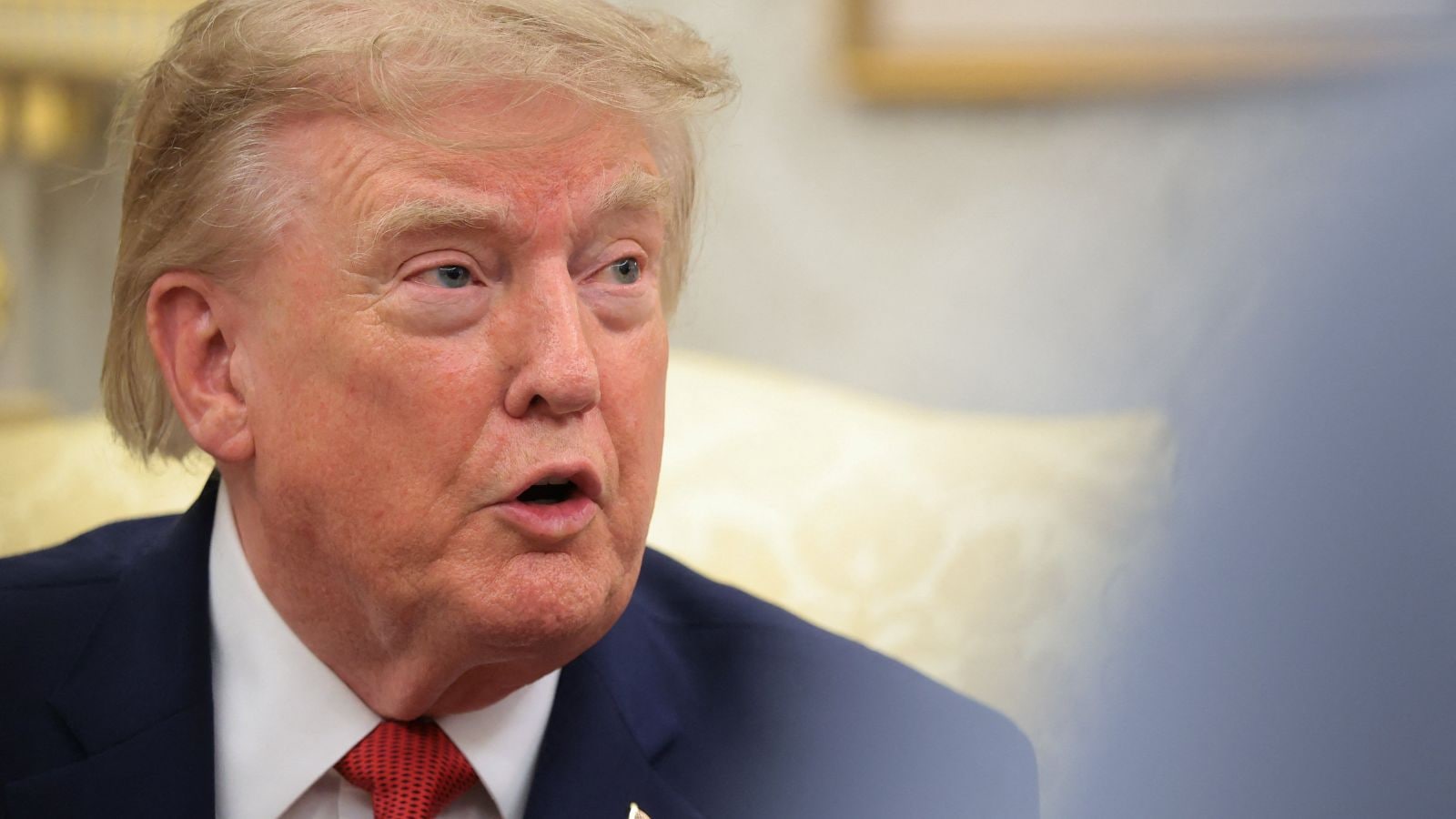
You can’t look at this situation without considering the broader power struggle. The Panama Canal has become a flashpoint for U.S.-China relations. Since Donald Trump returned to the White House last year, he has made it clear that his administration views Chinese influence in the canal as a threat. He has openly alleged that China is "running" the canal. This rhetoric created an environment where the status quo became untenable.
The trouble really accelerated when CK Hutchison attempted to sell its global port business—a massive 23 billion dollar deal involving the U.S. investment firm BlackRock. That deal was supposed to signal a change in ownership, but it stalled. Geopolitical friction and legal volatility made it toxic for investors. Beijing, predictably, hasn't taken this lightly. They’ve warned that Panama could face serious consequences for its actions, adding another layer of complexity to an already messy situation.
Understanding the legal battle
Arbitration is slow. It’s expensive. And it rarely delivers the quick resolution companies hope for. While CK Hutchison is aggressively pushing these claims, legal experts aren’t betting on a swift outcome. International arbitration tribunals might take years to reach a binding decision. Even if they rule in favor of the conglomerate, enforcing that judgment against a sovereign nation is a different challenge entirely.
The company is effectively using these legal proceedings to protect its brand and signal that it won't accept the expropriation of its assets without a fight. They aren't asking for token relief. They are demanding compensation for what they view as anti-investor conduct.
What this means for international trade
If you’re involved in global logistics, this should be a wake-up call. Sovereignty can trump contracts. When national interests—or in this case, international power plays—clash with private concessions, long-term agreements can be tossed out overnight by local courts.
The subsidiary, Panama Ports Company, has operated these facilities since 1997. They even renewed their concession for 25 years as recently as 2021. That's a lot of institutional knowledge and capital investment to lose. The fact that the government could seize the assets so abruptly proves that "political risk" isn't just a term used in risk assessment reports; it's a very real operational threat.
If you’re looking at future investments in strategic infrastructure, consider these realities:
- Local court rulings can shift suddenly. What was legal in 2021 might be ruled "unconstitutional" today if the political winds change.
- Geopolitical alignment matters. If your business operations become a proxy for global tensions, your contract terms may not protect you as much as you think.
- Diversification is your only shield. Don't rely on a single, vital terminal if the host government can be pressured by external superpowers.
The situation remains fluid. Whether the arbitration results in a massive payout or a long, drawn-out settlement, one thing is certain: the rules of the game in Panama have fundamentally changed. Keep an eye on how these tribunals interpret the treaty rights, as that will set the tone for how international investors handle similar risks in the future. For now, the legal war is just beginning.