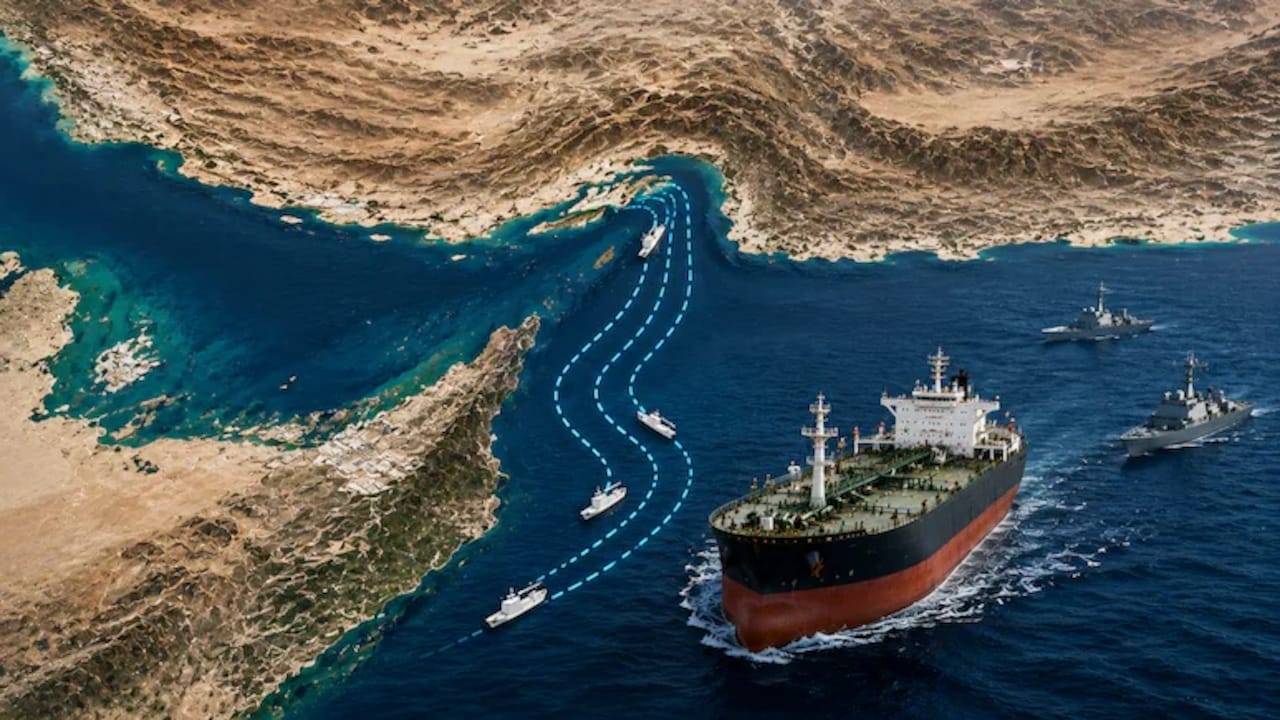
Control of maritime arteries dictates the velocity of global economic recovery during protracted state-on-state conflict. Six months into the military campaign between Washington and Tehran, attention has pivoted entirely toward the Strait of Hormuz. The initial phase of aerial degradation has evolved into a grinding maritime attritional contest.
Conventional analysis treats the waterway as a simple binary switch: open or closed. Operational reality requires a granular evaluation of throughput capacity, insurance mechanics, and naval escort cost functions. The present geometry of the crisis reveals a structural deadlock that neither aerial bombardment nor economic sanctions have managed to resolve.
The Three Operational Vectors Of The Waterway Standoff
The conflict inside the Persian Gulf operates across distinct friction points that determine global energy pricing and transit viability.
- The Throughput Discrepancy: Official estimates regarding daily crude transit diverge sharply from independent maritime tracking data. While administration officials point to southern corridor channels near Oman moving millions of barrels daily, private intelligence monitors document a severely restricted volume. This gap highlights the covert nature of modern transport under fire, where vessels routinely disable transponders to evade targeting systems.
- The Insurance Risk Premium: Hull war risk insurance for the Persian Gulf zone operates on dynamic multipliers rather than fixed percentages. Underwriter hesitation has transformed ordinary commercial voyages into high-stakes financial gambles, effectively pricing smaller independent shippers out of the regional market entirely.
- The Naval Escort Bottleneck: Protecting commercial tonnage requires asset allocation that strains United States naval architecture. Every destroyer or mine-countermeasures vessel deployed to secure the Traffic Separation Scheme represents a trade-off against global fleet readiness requirements.
The Cost Function Of Asymmetric Interdiction
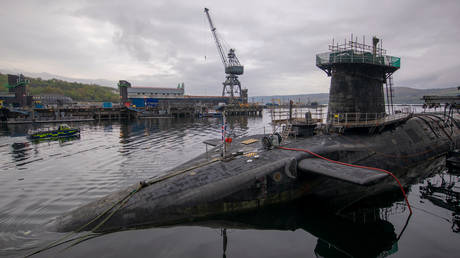
Iran maintains strategic leverage through low-cost, high-disruption assets. Traditional naval power relies on capital-intensive platforms carriers, guided-missile cruisers, and nuclear-powered submarines. These assets face acute vulnerabilities when operating within narrow littoral zones where surface action groups encounter coastal battery networks, fast attack craft, and persistent mine-laying campaigns.
The deployment of underwater drones to seed maritime hazards demonstrates an evolutionary leap in anti-access area-denial strategy. Clearing these corridors demands painstaking mine-hunting operations that slow transit speeds to a crawl. Even when the United States Navy declares international traffic lanes cleared of ordnance, the psychological barrier persists among commercial operators. Ship captains refuse to transit zones where the marginal probability of a strike remains above zero, regardless of naval assurances.
Economic Spillovers Across Global Supply Chains
The interruption of hydrocarbon flows through this narrow maritime corridor extends far beyond crude petroleum pricing. The Persian Gulf functions as a primary export hub for global fertilizer chemistry, accounting for substantial portions of internationally traded urea and ammonia.
When maritime passage halts, agricultural input costs spike globally within weeks. This dynamic links regional military friction directly to food security metrics across developing economies. The propagation speed of these shocks exposes the fragility of supply chains optimized for perpetual efficiency rather than systemic resilience.
Simultaneously, regional infrastructure integration faces severe friction. Gulf states caught between American security guarantees and the economic fallout of sustained conflict find their diplomatic maneuverability constrained. Bilateral arrangements, such as Omani-Iranian diplomatic channels regarding transit frameworks, illustrate the regional push to establish localized accommodations independent of Washington's strategic objectives.
The Strategic Playbook For Navigating Maritime Stagnation
Resolving the Hormuz bottleneck requires abandoning the illusion of a clean military solution or a comprehensive diplomatic reset. Policymakers must operate within a framework of managed friction.
The primary operational imperative involves institutionalizing decentralized convoy models backed by public-sector risk absorption. If private underwriters refuse to price commercial risk rationally, state-backed backstops must cover hull losses to force throughput volume upward.
Concurrently, military planners must transition from reactive mine-sweeping to preemptive suppression of coastal launch sites along the Iranian littoral. Passive defense inside a choke point ensures permanent strategic initiative for the adversary. Regaining freedom of navigation requires imposing asymmetric political and economic costs directly on the state apparatus enforcing the closure, shifting the burden of escalation back to Tehran.