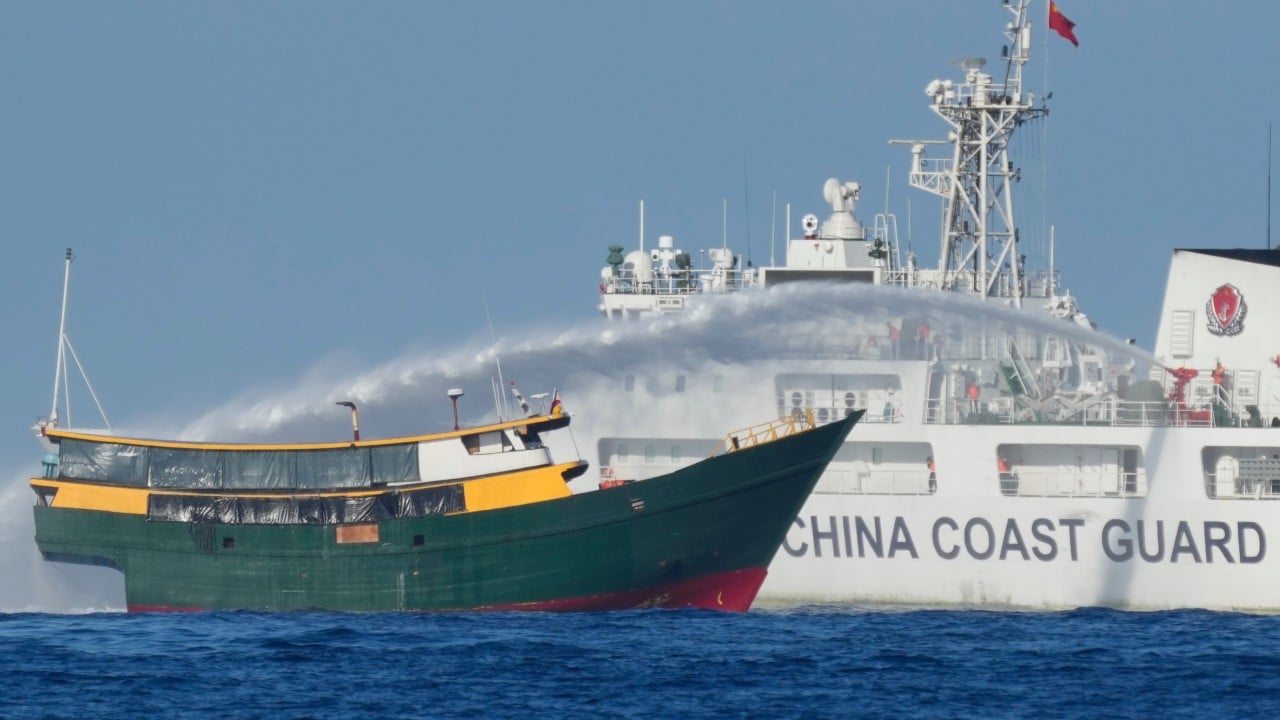
When geopolitical tempers flare in the West Philippine Sea, headlines usually predict a total breakdown in economic relations. Water cannons fire at Second Thomas Shoal, diplomats trade angry notes, and public sentiment sours. You might expect Beijing to pull every dollar of financial support and Manila to cancel every joint deal on the table.
That isn't how international finance works. If you liked this post, you should check out: this related article.
Despite years of escalating maritime disputes, Chinese infrastructure funding and bilateral economic ties haven't vanished into thin air. They've shifted, stalled, and adapted. Understanding why Chinese financial commitments persist in the middle of a major territorial row reveals a lot about how modern statecraft, debt, and national interest actually operate.
The Real Numbers Behind Chinese Funding in Manila
Former President Rodrigo Duterte made headlines in 2016 when he returned from Beijing with pledges worth roughly 24 billion dollars in infrastructure and investments. He promised a era of bridge building, rail construction, and rapid development under his Build Build Build program. For another perspective on this development, refer to the latest coverage from The New York Times.
Public perception often assumes those billions were delivered right away. They weren't.
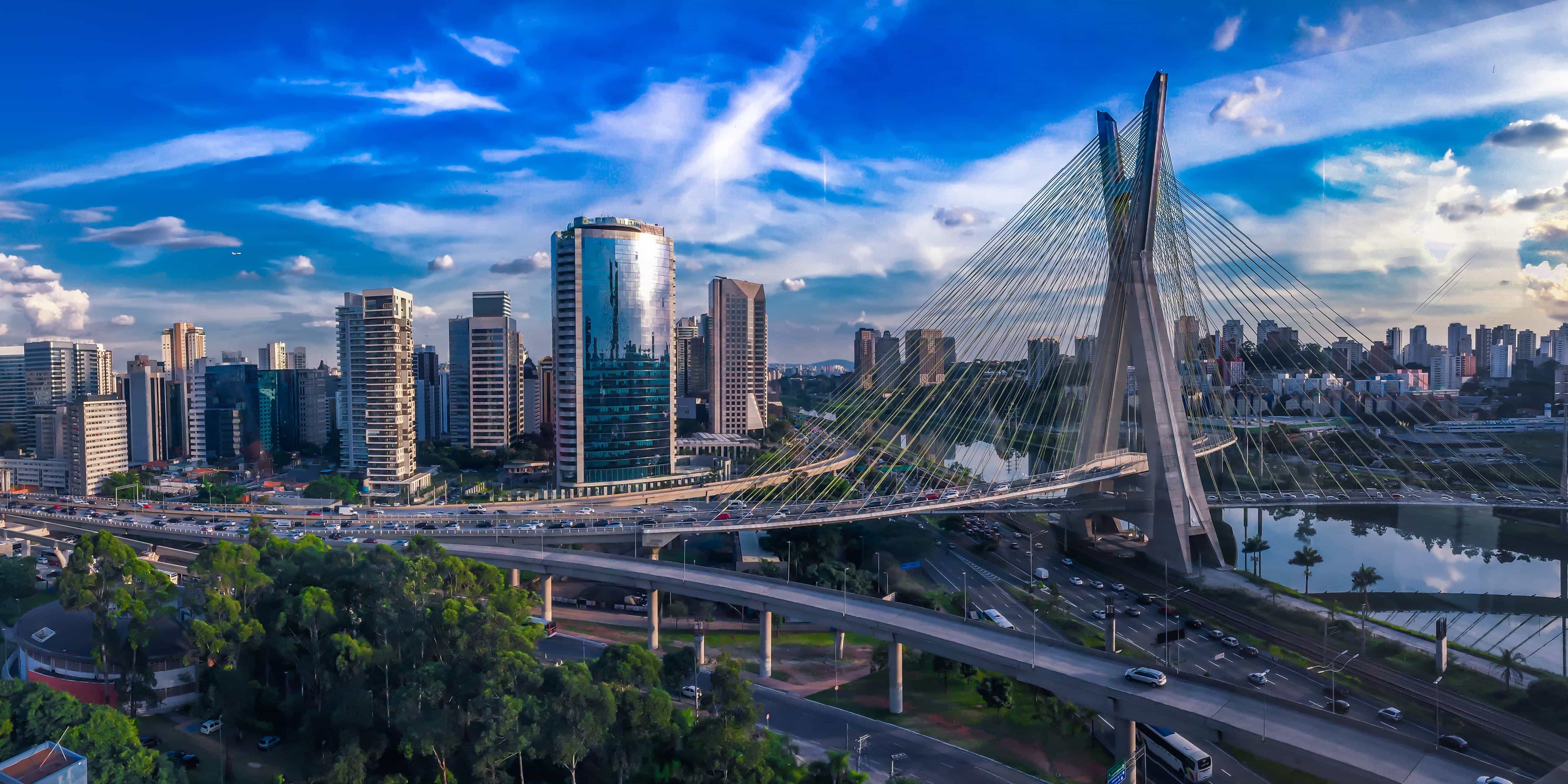
By the time Duterte left office in 2022, only a fraction of those pledged loans had materialized into completed projects. Major bridge projects in Manila, like the Binondo-Intramuros Bridge and the Estrella-Pantaleon Bridge, were successfully built using direct Chinese grants rather than high-interest loans. But larger, high-stakes rail initiatives—such as the Subic-Clark Railway, the Mindanao Railway, and the Philippine National Railways South Long Haul project—remained stuck in loan negotiations.
When President Ferdinand Marcos Jr. took office, his administration faced rising interest rates from Chinese lenders. China's Exim Bank requested interest rates upwards of 3 percent, while alternative funding partners like Japan's International Cooperation Agency offered concessional loans at under 0.1 percent.
Manila eventually pulled the plug on several Chinese loan requests for those mega-rail projects, choosing instead to look toward Japan, South Korea, and official development assistance from Western allies.
Yet, calling this a complete economic breakup misses what's actually happening on the ground.
Why Economic Ties Don't Sever Overnight
Governments don't simply turn off trade and existing financial agreements over a boundary line on a map. China remains one of the largest trading partners for the Philippines. Manila imports vast amounts of machinery, raw materials, and manufactured goods from Chinese suppliers every single month.
Money tied up in ongoing projects, private commercial ventures, and existing supply chains carries momentum. Chinese state-owned enterprises and private businesses have millions invested in local telecom networks, power grids, and mining operations across the archipelago.
Here is why financial links stay grounded even while coast guards clash at sea.
Existing State Commitments Take Years to Unwind
When a loan agreement gets signed, it binds both parties into long-term legal contracts. Arbitrarily canceling signed credit lines creates financial liability, legal battles, and immediate rating downgrades for infrastructure projects. Neither country wants to trigger unnecessary financial defaults over a separate diplomatic dispute.
Private Investment Operates Under Different Rules
State-backed development loans get the news coverage, but private capital flows quietly under the radar. Chinese private investments in Philippine renewable energy, real estate, and consumer tech continue because businesses chase local market returns, not geopolitical headlines.
Strategic Leverage Works Both Ways
China uses financial tools to maintain a foothold of influence inside the domestic politics of neighboring countries. Pulling out completely would surrender all soft-power influence in Manila directly to Washington, Tokyo, and Canberra. Keeping financial channels open gives Beijing a seat at the table, even when political relations are strained.
For Manila, shutting down all Chinese business relations would inflict immediate damage on local supply chains and inflate construction costs across the country.
Strategic Shift Under Marcos Jr
Under President Marcos Jr., the Philippines changed its approach to foreign policy and defense. Manila expanded the Enhanced Defense Cooperation Agreement with the United States, giving US forces access to key strategic bases across northern Luzon and Palawan.
At the same time, Philippine officials took a transparent public strategy in the West Philippine Sea, broadcasting Chinese coast guard maneuvers and dangerous confrontations to the international media.
This diplomatic stance changed the risk calculations for foreign loans.
Data from recent economic tracking shows that between 2022 and 2023, zero new major Chinese government loan commitments reached implementation phase in the Philippines. Instead, around 95 percent of pending Chinese-backed project proposals remained frozen at the commitment stage or were quietly dropped.
When Beijing delayed funding decisions or pressed for higher interest rates, Manila didn't wait around. The Marcos administration canceled Chinese funding for the Panay-Guimaras-Negros Inter-Island Bridge project and successfully transitioned the project to South Korea's Exim Bank.
This shows a crucial development: the Philippines is actively diversifying its financing sources to avoid relying on any single foreign backer.
What Japan and Other Allies Are Doing
When a country steps back from one lender, others quickly step up. Japan has filled the infrastructure financing gap across Southeast Asia for decades, offering lower interest rates, longer repayment schedules, and transparent procurement processes.
Japan is currently funding massive transit developments in the Philippines, including the Metro Manila Subway and the North-South Commuter Railway.
Other nations have stepped in with strategic backing:
- South Korea provides long-term infrastructure funding for regional bridges and port developments.
- The United States and Australia are increasing direct security assistance, joint naval patrols, and maritime surveillance hardware.
- The European Union is re-engaging with targeted climate resilience and green energy investments.
This structural support allows Manila to take a firmer stance against aggressive actions in its exclusive economic zone without risking economic isolation.
The Myth of the Debt Trap vs The Reality of Delayed Grants
For years, commentators warned that the Philippines was walking into a debt trap set by Beijing. The reality turned out to be quite different.
The Philippines never accumulated enough Chinese debt to trigger a financial trap. Because Philippine economic managers maintained strict fiscal discipline and rejected unfavorable loan terms, Chinese debt accounted for less than 2 percent of the country's total foreign debt stock.
The real challenge wasn't a trap—it was project delays and unfulfilled promises.
Duterte's administration counted on tens of billions in fast-moving Chinese cash. What they received was years of slow bureaucracy, prolonged loan negotiations, and high interest demands. When maritime clashes intensified, those slow negotiations stalled completely.
China used loan approvals as a diplomatic lever, withholding final cash disbursements to express dissatisfaction over Manila's foreign policy pivots. The Philippines responded by walking away from those negotiations altogether.
Where Philippines Infrastructure Financing Goes From Here
If you manage infrastructure planning, development funds, or sovereign investment strategy in the region, the rules of engagement have clearly changed. High-consequence infrastructure can no longer depend on politically sensitive foreign loans from a single rival nation.
Here are practical strategies smaller nations use to protect their development goals during geopolitical friction:
- Prioritize concessional financing from multilateral institutions like the Asian Development Bank and World Bank, which carry neutral political risk and lower interest rates.
- Build official development partnerships with multiple nations simultaneously, ensuring no single country holds absolute leverage over national transit networks.
- Shift from direct foreign sovereign loans toward structured public-private partnerships that attract global capital through transparent bidding processes.
- Separate pure commercial trade from critical national infrastructure, ensuring everyday supply chains stay open while protecting national security interests.
Economic ties between Beijing and Manila will continue to adapt to changing geopolitical realities. China remains a key economic partner in Southeast Asia, but the era of expecting fast, unconditional infrastructure billions is over. Manila has shown that a developing nation can defend its maritime rights while keeping its financial options open.