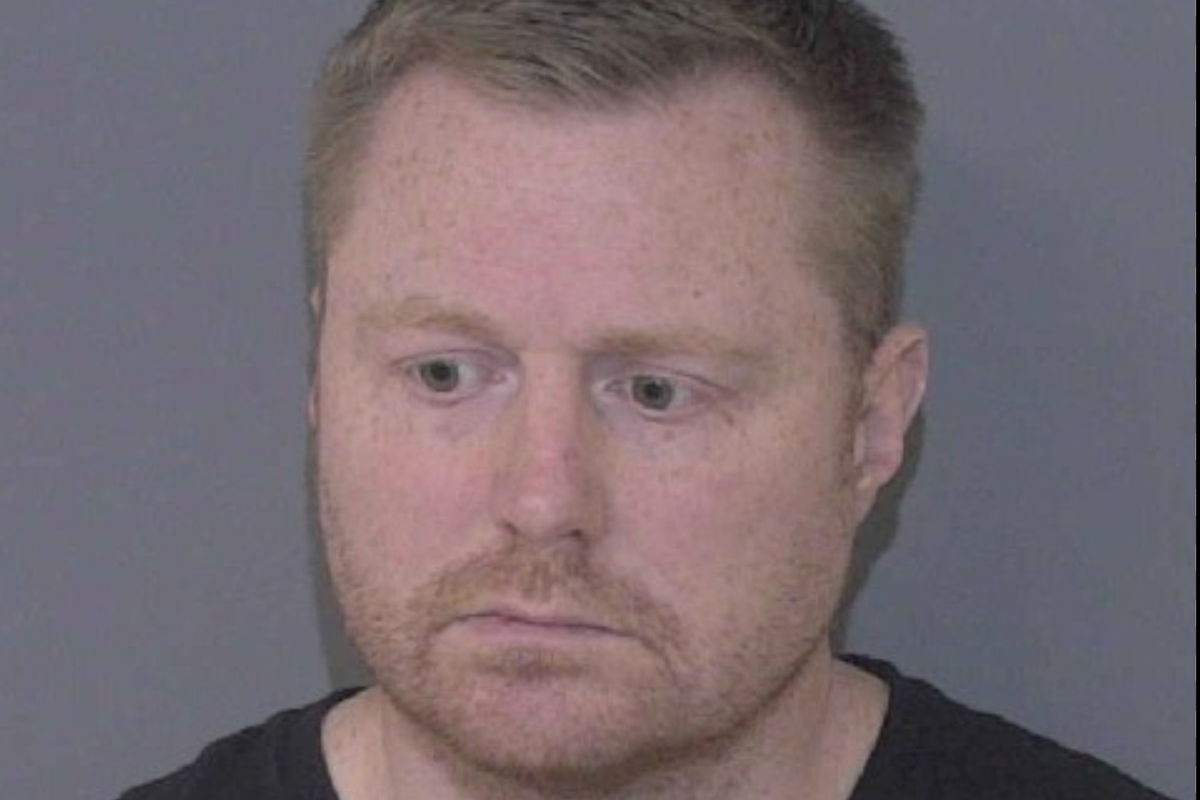
Planning a wedding usually brings plenty of stress, but you never expect your venue owner to walk away with your life savings. That is exactly what happened to dozens of couples in Monroe, North Carolina. Jason Lottman, the 43-year-old former owner of Champagne Manor, just stood in front of a federal judge and pleaded guilty to wire fraud. He took more than $1 million from couples and investors, leaving a trail of broken promises, empty bank accounts, and ruined wedding days.
This case is a wake-up call for anyone putting down large deposits for a major event. It shows how easily a beautiful backdrop can hide a massive financial scam. Lottman now faces up to 20 years in federal prison. Let's look at exactly how this scheme worked, why so many smart people fell for it, and what you can do to protect your own money when booking vendors.
The Mechanics of the Champagne Manor Scam
Lottman ran his operation out of Champagne Manor, a high-end, popular wedding venue in Union County. Between October 2023 and January 2025, he built a multi-layered fraud scheme designed to pull in cash from two completely different groups of people: engaged couples and private investors.
For the couples, Lottman used a specific sales hook. He marketed all-inclusive wedding packages. The pitch sounded perfect. He told brides and grooms that if they paid him upfront, he would handle everything. He promised to coordinate and directly pay the caterers, florists, DJs, photographers, and hair stylists.
It sounded like the ultimate stress-free planning experience. In reality, it was a trap.
Couples handed over tens of thousands of dollars believing their entire vendor team was locked in. Instead, Lottman kept the money. He never paid the vendors. Many couples only found out about the deception weeks or even days before their weddings when angry florists or DJs called them demanding payment for services the couples thought they had already covered. These families were forced to pay twice or watch their weddings fall apart.
At the exact same time, Lottman was targeting investors to keep his personal finances afloat. He pitched various investment programs connected to the venue. He promised guaranteed returns, financial incentives, and even partial ownership interests. To make the venue look like an expanding powerhouse, he told investors that Champagne Manor was acquiring a massive, high-end glass ballroom. He even claimed this glass ballroom would serve as collateral for their investments.
Federal prosecutors revealed that the ballroom never existed. Lottman never bought it. He simply used the idea of it to convince people to part with hundreds of thousands of dollars.
Hiding the Foreclosure While Pocketing Deposits
The most malicious part of the entire scheme happened during the middle of 2024. Champagne Manor defaulted on its mortgage, and formal foreclosure proceedings began. Lottman knew the property was slipping away. He knew the business was entirely broke and that the venue would inevitably be forced to shut down completely.
He didn't stop taking money. Instead, he accelerated his efforts.
Lottman kept marketing the venue, signing new contracts, and demanding upfront payments from unsuspecting couples. He deliberately hid the foreclosure from everyone. When investors or clients noticed things were amiss and questioned him about delayed payments or unconfirmed vendors, Lottman manufactured a web of lies. He blamed bank delays, processing errors, and administrative mix-ups to buy himself more time while continuing to cash the checks.
The Financial Damage and the Victims Left Behind
The numbers in the federal indictment are staggering, but the human cost is much worse. Amber Wells was one of the brides caught in Lottman's net. She paid $33,555 to Lottman after being sold on the perfect, stress-free package. She ended up with absolutely nothing.
Another bride, Clara Vengoechea, handed over $30,000. She spoke out about the intense anger and frustration of realizing that the money she worked years to save was just gone, stolen by the person she trusted to host her wedding.
When local police and the FBI finally shut down the operation, Lottman was arrested at a storage facility. Detectives had to set up a sting operation, posing as buyers for items Lottman was trying to sell off.
U.S. Attorney Russ Ferguson made the state's stance very clear following the guilty plea, stating directly that in North Carolina, authorities don't mess with brides. Weddings represent huge, once-in-a-lifetime emotional and financial commitments, and federal prosecutors are treating this kind of predatory behavior with extreme severity.
How to Spot a Bad Wedding Vendor Before You Pay
The Champagne Manor situation is extreme, but contract fraud and venue closures happen every single year across the country. You can protect your hard-earned money by recognizing the warning signs early.
The Problem With All Inclusive Packages
Be incredibly careful when a venue insists on paying all outside vendors on your behalf. While legitimate all-inclusive venues exist, this model removes your direct line of communication with your vendors regarding money. If you use an all-inclusive venue, demand written receipts or confirmation directly from the florist, caterer, and DJ proving that the venue has actually paid them their deposits. Do not just take the venue owner’s word for it.
High Pressure for Total Upfront Payments
Standard industry practice involves a deposit to hold the date, followed by a structured payment schedule. If a vendor or venue owner offers massive discounts only if you pay the entire balance in cash or via wire transfer immediately, step back. High-pressure tactics to get total upfront funding usually mean the business is experiencing a severe cash-flow crisis and is using your money to pay off past debts.
Shifting Excuses and Bad Communication
If a venue owner misses a deadline or fails to provide a receipt, pay attention to how they respond. If they immediately blame the bank, claim a system glitch, or become defensive, look closer. Financial transparency should be instant. If they cannot produce proof of payment or proof of escrow within 24 hours, you need to investigate.
Steps to Protect Your Wedding Funds Today
If you are currently planning a wedding or any large-scale event, you must take active steps to insulate your funds from fraudulent business owners.
First, buy wedding insurance immediately. Look specifically for a policy that includes "vendor bankruptcy or financial failure" coverage. Many standard event liability policies only cover accidents or weather issues. You need a policy that protects your deposits if a venue abruptly goes out of business or faces foreclosure like Champagne Manor did. Note that you usually must buy this insurance before any public signs of financial distress appear with your venue.
Second, pay only with a credit card. Never use cash, wire transfers, peer-to-peer payment apps, or direct debit if you can avoid it. Federal law provides massive protections for credit card purchases under the Fair Credit Billing Act. If a business fails to provide the services you paid for, you can file a billing dispute with your credit card company to get your money back. Wire transfers and cash offer zero protection once the money leaves your hands.
Third, verify the business registration and property records. Before signing a contract with a venue, check the local county registry of deeds and court records. You can see if the property has active tax liens, pending lawsuits, or foreclosure notices filed against it. It takes five minutes on a county website to see if a venue owner actually owns the property securely or if they are drowning in debt.
Fourth, maintain independent contracts with key vendors. Even if a venue provides a coordinator, try to sign separate contracts directly with the caterer, photographer, and entertainment. This guarantees that you own the relationship with those professionals. If the venue goes under, you may still be able to move those vendors to a backup location without losing your initial investments.
Jason Lottman is currently awaiting his sentencing date. While the justice system will punish him with potential decades in a federal cell, the families he defrauded face a long, difficult road to potentially recover even a fraction of their stolen money through restitution. Do not let your wedding day become a statistic. Run the background checks, look at the property records, protect your payments, and trust your gut the second a deal feels too perfect to be true.