Canada has a notorious habit of taking bold infrastructure concepts and diluting them until they please absolutely no one. We are seeing it happen again in real-time.
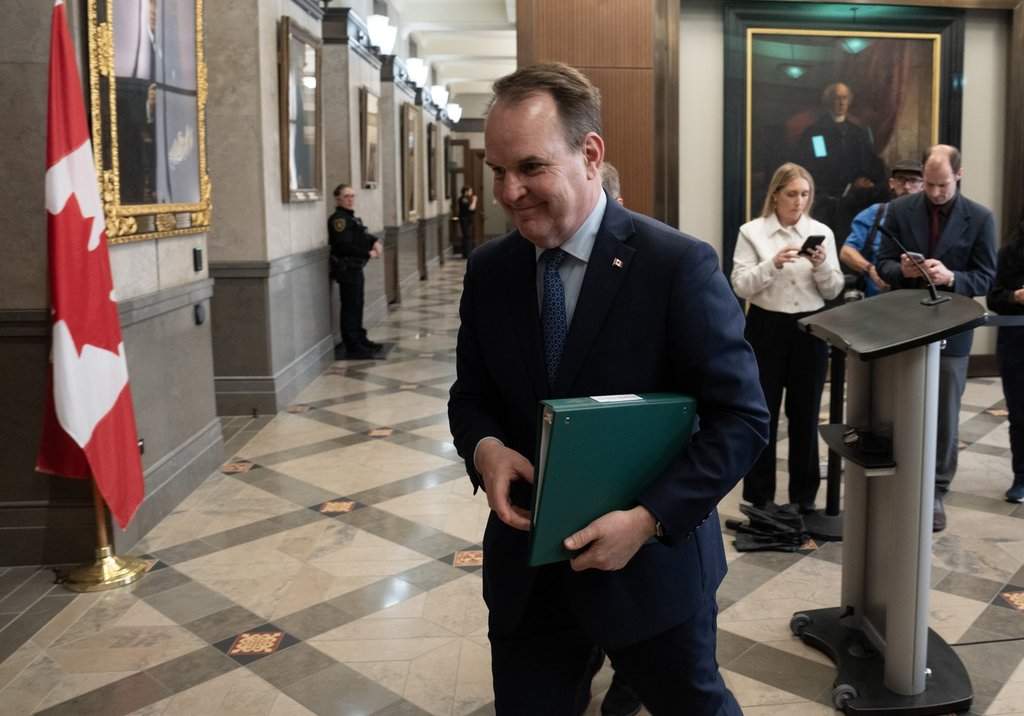
Transport Minister Steven MacKinnon just tossed a massive wrench into the planning gears of Alto, the Crown corporation tasked with building Canada's first true high-speed rail line. Following a three-month public consultation blitz, the federal government directed Alto to evaluate a southern route option between Ottawa and Peterborough that includes a potential stop in Kingston, Ontario.
On paper, connecting Kingston to a 300 km/h rail network sounds amazing for local college students and Toronto commuters. In reality, this single directive threatens to unravel the core promise of the entire project: blindingly fast, competitive travel times between Canada's biggest economic hubs.
The Problem with Putting the Brakes on Bullet Trains
When Prime Minister Justin Trudeau announced the Alto project, the sell was simple. Trains running on dedicated electric tracks would slice through the Toronto-to-Quebec City corridor, hitting speeds north of 300 km/h. It promised to cut Toronto-to-Montreal trips to roughly three hours, making the train a genuine threat to commercial airlines.
But true high-speed rail requires straight lines and minimal interruptions. Every single station you add introduces a massive penalty.
When a bullet train stops, you don't just lose the three minutes passengers spend boarding. You lose the time spent decelerating from 300 km/h, the time spent crawling into the station, and the agonizingly long stretch it takes for an massive electric train to spin back up to top speed. Adding an eighth stop in Kingston will inevitably stretch travel times for anyone riding the full length of the corridor.
If Toronto-to-Montreal trips creep much past the three-hour mark, the business case starts to evaporate. People will just keep flying.
The Mounting Costs of Political Detours
Let's talk about the math, because the numbers are already staggering. The current preliminary cost estimate for the 1,000-kilometre line sits between $60 billion and $90 billion. History tells us that complex megaprojects in Canada rarely stay within their initial caps.
Diverting the tracks to hug the Lake Ontario shoreline near Kingston isn't a simple tweak. It means renegotiating land, altering technical designs, and likely driving the budget closer to that terrifying $100 billion ceiling.
Alto claims a Kingston stop would slice travel times to Toronto down to 90 minutes. That is an incredible win for Kingston residents. It would also establish the city's existing Via Rail station as a regional hub, allowing people from surrounding rural areas to drive into a station in under 30 minutes.
But you have to weigh that regional benefit against the national cost. Is it worth jeopardizing the financial viability of a $90 billion project to appease a localized voter base?
Rural Backlash is Growing Louder
This sudden pivot to Kingston isn't happening in a vacuum. The federal government is feeling immense pressure from rural communities who see Alto as an expensive headache that offers them zero utility.
The project has faced a wall of opposition from a grassroots coalition of farmers, small-town mayors, and landowners in Eastern Ontario and Mirabel, Quebec. They argue the dedicated rail corridor will slice right through generational farmlands, cleave local road networks, and trigger hundreds of forced property expropriations. To them, the high-speed train is a playground for urban elites that leaves rural Canadians holding the bag.
By ordering Alto to look at Kingston, the government is trying to salvage public perception. They want to show they are listening to the "What We Heard" report compiled from months of consultations. But by trying to fix a public relations issue in one region, they risk breaking the engineering logic of the whole network.
How to Save the Project from Bureaucratic Bloat
If Canada wants to avoid building a multi-billion-dollar disappointment, the design phase led by the private Cadence consortium needs to prioritize speed over political compromise. Construction isn't scheduled to start until 2029 or 2030, meaning there is still time to fix this trajectory.
Instead of turning the main high-speed trunk line into a milk run, planners should lean into a hub-and-spoke model. Keep the express line pristine, fast, and limited to core metropolises. Then, heavily invest in rapid, synchronized regional feeder lines to bring passengers from places like Kingston and Peterborough into the main hubs.
If the federal government keeps treating this project like a local transit line, it will fail. True high-speed rail requires an uncompromising focus on connecting major economic centers at maximum velocity. Anything less is just a very expensive regular train.