On July 15, 2026, the Wilder Institute’s Calgary Zoo officially opened its brand-new Asian Highlands area to the public.
If you think this is just another basic zoo expansion where some fresh paint gets slapped on old fences, you are mistaken.
This opening marks the first completed chapter of a massive, multi-year transformation called Imagine Asia, which replaces the aging Exploration Asia section. It is a complete rethink of how we view high-altitude wildlife in captivity. By focusing on the rugged, vertical ecosystems of the Eastern Himalayas, the zoo is telling a cohesive story about elevation, adaptation, and survival.
Even better? Beloved animals that have been away for years are finally back home, joined by a bizarre, fascinating creature that Calgary has never hosted before.
Here is what makes this development worth your weekend, and what you actually need to look out for when you walk through the gates.
The Perfectly Peculiar Sichuan Takin Makes Its Debut
Most people visiting a zoo want to see the classics. Lions, tigers, bears. But the real star of the Asian Highlands is an animal you have probably never heard of, let alone seen in person.
Meet the Sichuan takin.
Pronounced TAH-kin, this animal is a bizarre evolutionary mashup. It looks like a goat, an antelope, and a muskox had a meeting and decided to share a single body. They are stocky. They are heavy. Yet, they move across steep, rocky terrain with an agility that defies their bulky frame.
In the wild, these animals live in the steep, forested mountains of central and western China. They are built specifically for cold, brutal environments. Because of that, they are a perfect match for Calgary's notoriously unpredictable weather.
They have two main adaptations that make them evolutionary marvels:
- The Heat-Exchanger Nose: A large, swollen, moose-like snout. This structure serves a vital purpose. When a takin inhales freezing mountain air, the specialized nasal cavity warms the air up before it ever hits their lungs.
- The Built-in Raincoat: Their dense fur is covered in a naturally oily, greasy secretion. This oil acts as a barrier, waterproofing their coat so rain and snow slide right off.
The zoo built a highly specialized area called the Nicholls Family Himalayan Slopes for these massive animals. The space mimics high-altitude alpine meadows. There are rolling hills, giant rock features, and a seasonal moat. Visitors can watch the takin wade, swim, and climb across different elevations.
It is a rare chance to see a Class I protected species from China up close. They are incredibly rare in North American zoos, making this debut a major win for Calgary.
Kingdon Snow Leopard Ridge and the Return of the Cats
Snow leopards have always been a fan favorite in Calgary. However, during the construction of this new zone, they had to be temporarily housed at another facility.
They are back, and their new living quarters are a massive upgrade.
The newly designed Kingdon Snow Leopard Ridge features two highly complex, interconnected habitats. If you know anything about big cats, you know they crave choice and control over their environments. Snow leopards are naturally solitary and highly territorial animals that spend their lives navigating vertical cliffs. Standard flat enclosures simply do not work for them.
This new space addresses that need directly. The ridge is packed with rocky outcrops, steep slopes, and hidden caves. The design allows the cats to climb high above the viewing paths, giving them a literal bird's-eye view of the zoo.
But it also gives them privacy. If a snow leopard does not feel like being looked at, the interconnected layout lets them slip away into quiet, behind-the-scenes zones. This kind of design represents the modern standard of animal welfare. It puts the animal's choice ahead of guaranteed visitor sightlines, though the sheer scale of the vertical climbing structures means you still have an incredibly good chance of spotting them.
Look up. You might just spot one resting on a high rock ledge, perfectly camouflaged against the stone.
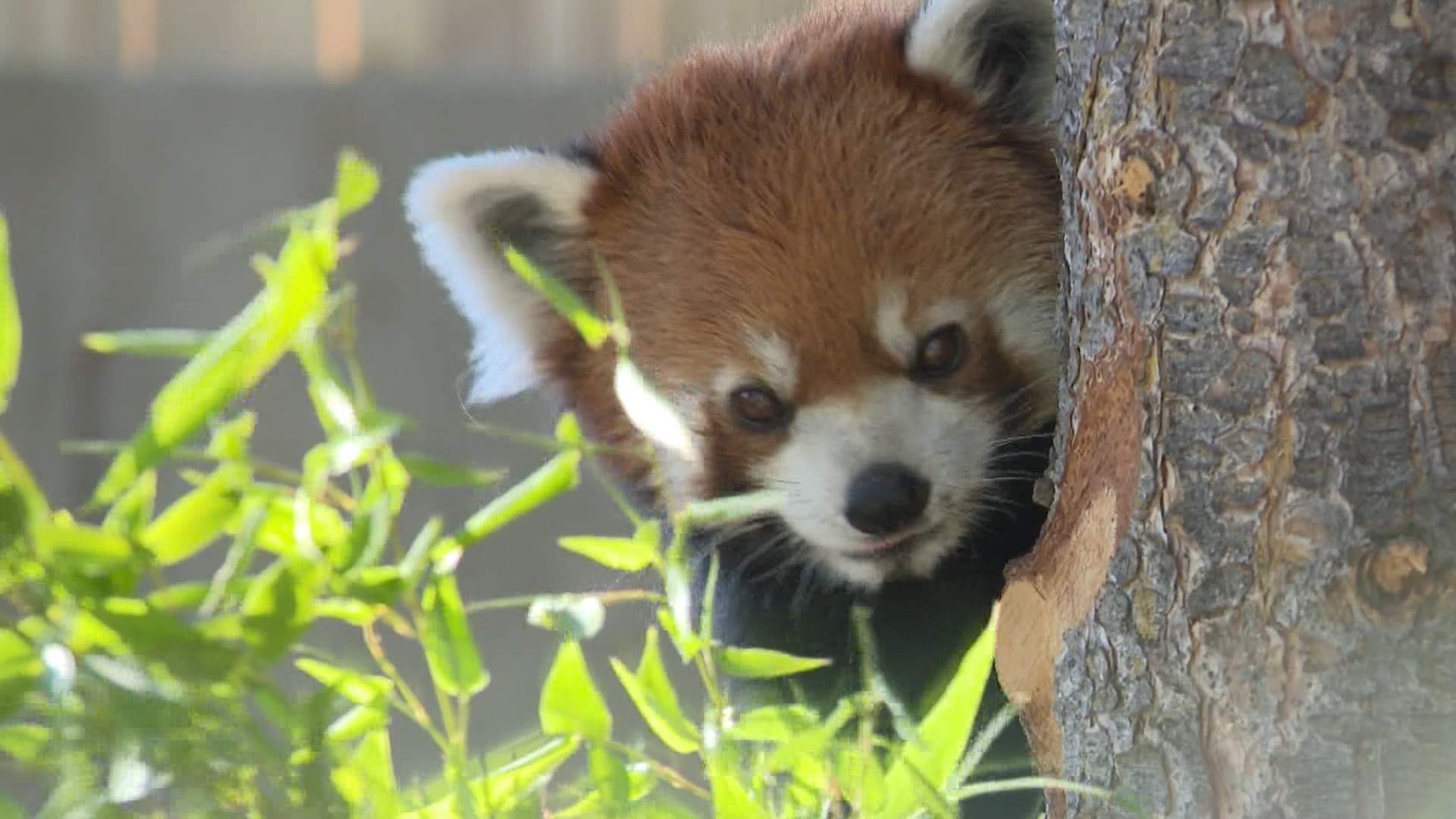
Red Pandas Hanging Over Your Head
Like the snow leopards, the red pandas were displaced during the heavy construction phase. They stayed on-site but were tucked away from their usual viewing areas.
Now, they have returned to the heart of the Asian Highlands with a completely revamped habitat.
In the wild Himalayan canopy, red pandas are almost entirely arboreal. They hate being on the ground. To match this behavior, the zoo installed an elaborate system of elevated climbing spaces and overhead logs.
As you walk through the forest-themed pathways, the red pandas can move directly above you. They can snooze on branches, scramble across logs, and navigate their territory high up in the trees, exactly as they would in the wild conifer forests of Asia. It is an immersive way to experience them, making you feel like you are walking through their canopy rather than just staring into a glass box.
The Conservation Story and Local Funding
This project was not cheap, and it did not happen overnight.
The Alberta provincial government stepped in with a $4 million investment through Municipal Affairs to help make this region a reality. Private donors, including the Nicholls family and David Kingdon, funded the individual habitats to ensure the design standards met the highest possible level of animal care.
The purpose here is not just entertainment. The Wilder Institute is heavily involved in global conservation work. The Eastern Himalayas are one of the most biodiverse regions on Earth, but they are also under extreme threat from climate change, habitat fragmentation, and human-wildlife conflict.
As you walk along the new Adventure Trail, the zoo has set up interactive stations. You can trace the path of field scientists, interact with digital displays, and learn how communities in Asia are working to coexist with snow leopards and other mountain species.
It explains why these animals look the way they do, and what is being done to keep them from disappearing in the wild.
How to Plan Your Visit
The Asian Highlands opened to members in the morning on July 15, 2026, and opened to the general public later that afternoon. Because this is a brand-new, highly anticipated zone, expect crowds, especially on weekends.
If you want to get the most out of your visit, keep these tips in mind:
- Go Early or Late: The animals are most active during the cooler parts of the day. The Sichuan takin and snow leopards are built for cold mountain air, so midday heat might make them seek out shade or indoor spaces.
- Follow the Elevation: The path is designed to mimic a descent down the Himalayas. Start at the high peaks with the snow leopards, move down through the subalpine meadows of the takin, and end in the lush conifer forests of the red pandas. Following this flow makes the educational storytelling make a lot more sense.
- Keep Your Eyes Up: Between the red panda climbing structures and the high rocky ridges for the snow leopards, much of the action in this exhibit happens above eye level. Do not just stare straight ahead.
This is only the first phase. The zoo plans to open two more major exhibits under the Imagine Asia banner by the time they hit their 100th anniversary in 2029. While the administration is keeping those future species a closely guarded secret, the high standard set by the Asian Highlands suggests the wait will be worth it.
Grab your tickets online through the Calgary Zoo website to skip the entry lines, head straight for the bridge to St. George's Island, and check out Calgary's newest wild residents.