The fluorescent lights of the 24-hour diner hummed a low, vibrating B-flat. It was 3:15 AM, that specific slice of the night when the world divides cleanly into those who are sleeping and those who cannot afford to.
Elena sat at booth four, staring at a calculator app on her phone. Beside it lay a receipt from the grocery store. Eggs. Milk. The generic brand of cereal that turns to gray mush if it sits in the bowl for more than ninety seconds. The total was sixty-four dollars and twelve cents. Three years ago, the exact same items cost forty-one dollars.
To a statistician, that twenty-three-dollar gap is a data point, an inflationary metric to be smoothed out over a quarterly report. To Elena, it was a physical weight. It was the precise difference between replacing the balding front tires on her sedan or praying the tread held out through another month of highway commuting.
When we talk about the economy, we usually talk about numbers. Gross Domestic Product. Consumer Price Index. Interest rates dictated by men in tailored suits sitting in windowless rooms in Washington. But the real economy doesn’t live in a spreadsheet. It lives in the pit of a parent’s stomach when they pull out a debit card at the register, holding their breath until the word Approved flashes on the screen.
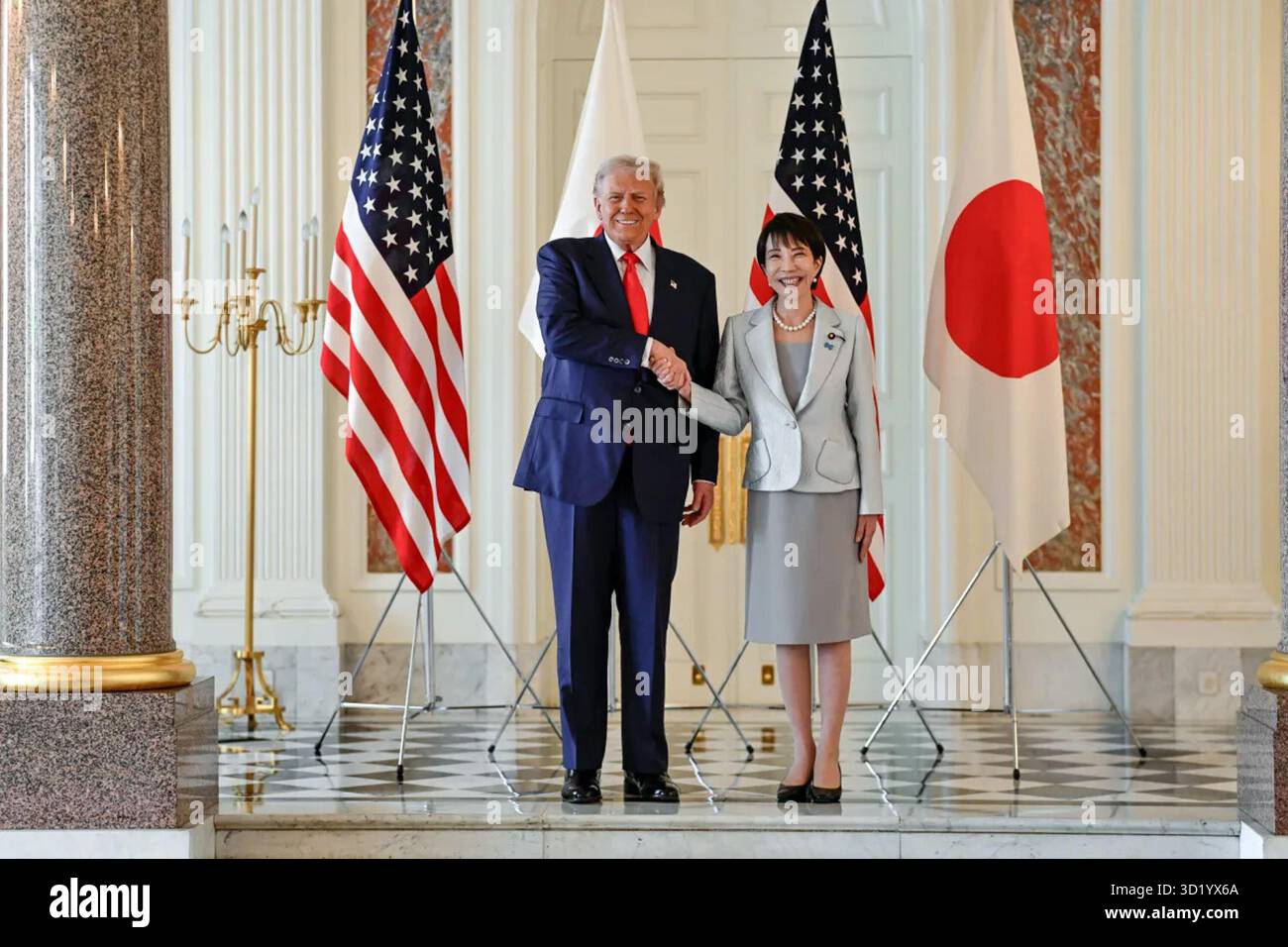
Then, a voice from a rally stage in Las Vegas cuts through the noise. Donald Trump speaks to a crowd, his words carrying the weight of a man who has spent his entire life looking at the world from the top floor of a gilded tower. He tells the audience that he doesn’t think about the financial situations of ordinary Americans. When the comment sparks the inevitable media firestorm, he doesn’t backtrack. He doesn't clarify. Instead, he doubles down.
"That's a perfect statement," he insists.
At first glance, it feels like a political slip, a rare moment of unfiltered candor that should damage a campaign. But look closer. Beneath the surface of that statement lies a profound, systemic disconnect that defines modern American life. It is the widening chasm between macroeconomics and the micro-tragedies playing out at kitchen tables across the country.
Consider the logic behind the rhetoric. From a billionaire’s perspective, the grand machinery of statecraft isn't about managing individual bank accounts. It is about deregulation, tax structures, trade tariffs, and the sweeping movements of market forces. The philosophy is simple: fix the sky, and the weather will take care of itself. If you focus too much on the individual raindrops, you lose sight of the horizon.
But the real problem lies elsewhere. For the person standing in the rain, the macro-horizon doesn't keep them dry.
When a leader calls the omission of everyday financial struggle a "perfect statement," it signals a deeper truth about how power views the populace. It frames the financial anxiety of the working class not as a pressing emergency, but as a byproduct of a larger game. It suggests that the systemic stress of the average citizen is a distraction from the real work of governance.
The disconnect is not unique to one politician, though few are as brazenly transparent about it. For decades, the political establishment has spoken a language that feels entirely foreign to the people who actually keep the country running. They speak of historic job growth, yet millions of Americans are forced to work two or three of those jobs just to cover rent. They celebrate a surging stock market, while more than half the population owns no stock at all.
Let's use a simple analogy. Imagine an engineer designing a massive commercial airliner. He is obsessed with aerodynamics, engine efficiency, and fuel capacity. These are essential metrics. If the plane doesn't work on paper, it doesn't fly. But if that same engineer dismisses the complaints of the passengers because the seats are cramped, the air is stale, and the oxygen masks are failing, the design is a failure of human empathy. A perfect flight plan means nothing if the people inside are suffocating.
This is the psychological tax of modern economic life. It isn't just the lack of money; it's the constant, grinding cognitive load of survival.
When you live on the edge, every decision is high-stakes. A broken tooth isn't just a medical issue; it's a financial catastrophe that wipes out the savings meant for winter coats. A utility bill that arrives twenty dollars higher than expected can trigger a domino effect of overdraft fees, late penalties, and missed payments that takes months to recover from.
This is what gets lost when leadership operates exclusively at thirty thousand feet. The view from the airplane window shows beautiful patchworks of farmland and bustling cities, but it completely obscures the rust on the roofs and the lines at the food pantry.
The defense of the "perfect statement" relies on a specific kind of political theater. It appeals to a desire for strength, for a leader who claims to be so focused on the grand vision of national greatness that they cannot be bothered by the granular details of daily suffering. It attempts to rebrand a lack of empathy as a form of executive discipline.
But true governance cannot be separated from the lived experience of the governed.
The danger of normalizing this disconnect is that it breeds a profound, toxic cynicism. When people realize that their daily struggles are viewed as irrelevant to the broader political narrative, they stop believing in the system entirely. They stop looking for solutions and start looking for a wrecking ball. The rhetoric that dismisses the financial reality of the voter eventually alienates the very people required to sustain the democracy.
Back in the diner, the pot of coffee on the burner hissed as a few stray drops spilled over the rim, scorching against the hot plate. Elena closed the calculator app. She folded the grocery receipt into a tight, neat square and slid it into her purse.
The numbers on that paper wouldn't change based on a speech delivered in a neon-lit arena thousands of miles away. The price of milk would remain high. The tires would continue to lose their tread. She would still have to wake up in less than four hours to clock into a shift that promised to pay just enough to keep her falling behind at a slightly slower pace.
The grand debates of American politics will continue to roar in television studios and stadium rallies, dissecting what makes a statement perfect or flawed. But the true metric of a nation's strength isn't found in the self-congratulatory rhetoric of its leaders. It is found in the quiet, desperate math of 3:00 AM, written on crumpled receipts by people who just want to know that someone sees them standing in the dark.