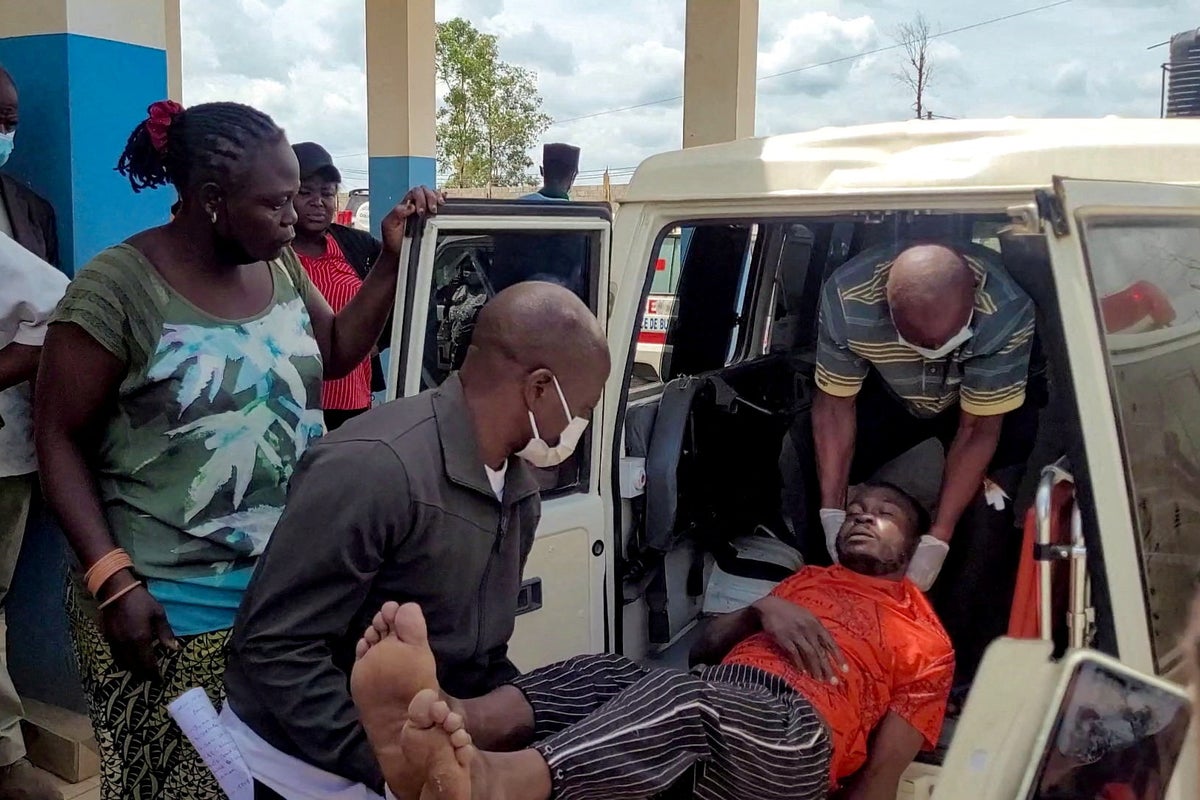
Ebola is back in the news, and most people are panicking for the wrong reasons. Whenever an outbreak hits, headlines scream about bleeding eyes and unstoppable viruses. But fear Mongering doesn't save lives. Understanding the specific threat does. Right now, health officials are tracking a rise in cases tied to the rare Bundibugyo strain, a variant of the virus that throws a massive wrench into our standard medical playbook.
If you think all Ebola is the same, you're wrong. Dealing with the Bundibugyo ebola strain requires a completely different approach than the outbreaks we saw in West Africa a decade ago.
The real problem? The tools we built to fight the common version of this disease don't work here. We're facing a biological blind spot, and closing it requires looking at the hard data, the failures of current vaccine distribution, and what needs to happen on the ground immediately to stop a full-blown crisis.
What Makes the Bundibugyo Ebola Strain Different
Most people know about the Zaire strain. That's the poster child for Ebola. It caused the devastating 2014-2016 epidemic and has been the focus of billions of dollars in medical research. Because of that intense focus, scientists successfully created Ervebo, a highly effective vaccine.
Bundibugyo is a different beast. First identified in 2007 in the Bundibugyo District of Uganda, this species of the Ebolavirus genus possesses a distinct genetic makeup. It doesn't behave like Zaire.
Historically, it has a lower case fatality rate. While Zaire can kill up to 90% of the people it infects, Bundibugyo generally sits around 25% to 50%. But don't let that lower number fool you into complacency. A virus that kills one out of every three infected individuals is still an absolute nightmare for public health systems.
The genetic divergence is the real kicker. Because its surface glycoproteins differ significantly from the Zaire strain, the antibodies generated by current commercial vaccines fail to neutralize it. If you've been vaccinated with Ervebo, you have zero protection against Bundibugyo. We are essentially starting from scratch when it comes to preventative immunity.
The Diagnostics Dilemma on the Ground
Early detection saves lives during an outbreak. It's that simple. But diagnosing the Bundibugyo ebola strain in rural clinics is a logistical mess.
In the early stages, Ebola looks like a lot of other things. It presents with a fever, intense fatigue, muscle pain, headache, and a sore throat. In East and Central Africa, these symptoms mirror malaria, typhoid, and dengue fever. Doctors in underfunded community clinics routinely misdiagnose these cases during the crucial first few days of infection.
Standard rapid diagnostic tests often fall short here. Many quick-turnaround field tests are optimized for the Zaire strain. To confirm a Bundibugyo case, medical teams rely on polymerase chain reaction (PCR) testing.
PCR requires specialized laboratory equipment, stable electricity, and trained technicians. When an outbreak occurs in a remote village hours away from a major city, transporting blood samples safely across washed-out roads creates deadly delays. By the time the lab confirms the positive result, the patient has often exposed their entire family and local healthcare workers.
Why Therapeutics Are Stalled
We've made massive strides in treating Ebola over the last few years. Monoclonal antibody treatments like Inmazeb and Ebanga revolutionized patient care during recent Zaire outbreaks, slashing mortality rates significantly when administered early.
They are useless against Bundibugyo.
Monoclonal antibodies work like lock and key mechanisms. They bind to specific parts of the virus to stop it from invading human cells. Because Bundibugyo has a different genetic structure, the key doesn't fit the lock.
Currently, therapeutic options for patients infected with this strain are limited to supportive care. That means maintaining fluid and electrolyte balance, managing blood pressure, and treating secondary infections. It's basic medicine, not a cure. The lack of specific antiviral treatments means patients rely entirely on their own immune systems to fight off the infection, which explains why the mortality rate refuses to drop further.
The Realities of Community Transmission
Viruses don't spread in a vacuum. They spread through human behavior, and managing an outbreak means understanding local customs.
In many regions where Bundibugyo emerges, traditional burial practices involve washing and touching the body of the deceased. This is the most dangerous moment for Ebola transmission. The viral load in a body is highest right after death. One traditional funeral can easily turn into a super-spreader event, infecting dozens of mourners who then carry the virus back to their own villages.
Public health teams frequently run into walls of community distrust. When medical workers show up in terrifying, white personal protective equipment (PPE), taking sick relatives away to isolation centers where many never return, communities push back. They hide patients. They avoid hospitals. This drives the outbreak underground, making tracking the chains of transmission nearly impossible.
Successful intervention requires working with local leaders, elders, and religious figures rather than dictating orders from a centralized capital. If the community doesn't trust the response team, the response fails.
What Needs to Happen Next
We can't afford to treat the Bundibugyo ebola strain as a minor footnote in medical history. It's a clear threat that requires immediate, targeted action from global health organizations and local governments.
- Fund Multivalent Vaccine Research: Pharmaceutical companies must prioritize vaccines that target multiple strains simultaneously. A combined vaccine covering Zaire, Sudan, and Bundibugyo strains is the only way to ensure long-term regional security.
- Deploy Mobile PCR Laboratories: Waiting days for lab results kills. International partners need to supply response teams with rugged, solar-powered mobile testing units that can deliver accurate PCR results directly at the triage site within hours.
- Pre-Position Supportive Care Supplies: Since specific therapeutics don't exist, survival depends on aggressive supportive therapy. Intravenous fluids, electrolyte replacements, and basic monitoring equipment must be stockpiled in high-risk zones before the next cluster of cases appears.
- Shift to Localized Engagement Strategies: Stop relying solely on top-down messaging. Train local community health workers who already possess the trust of their neighbors to conduct contact tracing and educate families on safe burial alternatives.
The current outbreak isn't just a local crisis. In our interconnected world, an uncontained virus anywhere is a threat everywhere. Addressing the specific realities of the Bundibugyo strain now is the only way to prevent a localized outbreak from transforming into a regional catastrophe. Watch the data, equip the frontline workers, and stop relying on outdated medical tools that don't apply to the threat at hand.