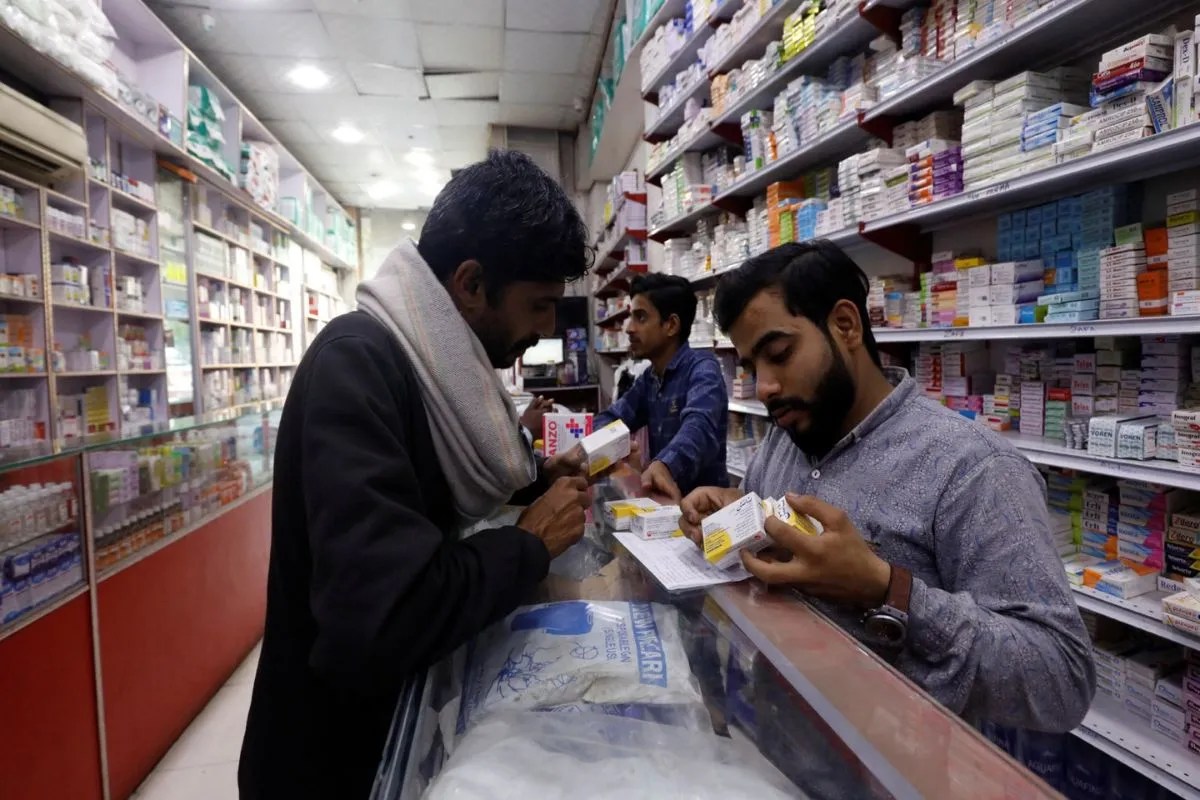
Pakistan is facing an acute healthcare collapse as more than 100 essential medicines, including critical treatments for cancer, heart disease, and diabetes, have vanished from pharmacy shelves. This is not a temporary supply chain glitch. It is a systemic breakdown driven by rigid state price controls, a chronic shortage of foreign exchange reserves, and a collapsing local manufacturing sector. While patients scramble for smuggled, counterfeit alternatives at exorbitant prices, the underlying economic mechanics guarantee that the shortage will worsen unless the state fundamentally alters its regulatory framework.
The crisis hits hardest in the oncology and cardiology wards. Families spend days hunting for basic anticoagulants, chemotherapy agents, and insulin. What the mainstream press describes as a sudden medical emergency is actually the predictable climax of a multi-year economic strangulation.
The Deadly Economics of Maximum Retail Prices
The root of the scarcity lies in the Drug Regulatory Authority of Pakistan (DRAP) and its rigid enforcement of the Maximum Retail Price (MRP) cap. Pakistan imports roughly 90 to 95 percent of its active pharmaceutical ingredients (APIs)—the raw chemical components needed to manufacture medicine. Local pharmaceutical companies buy these raw materials in US dollars but must sell the finished pills in Pakistani rupees under a strict government-mandated price ceiling.
When the Pakistani rupee depreciated sharply against the dollar over the last few years, the cost of manufacturing skyrocketed. For dozens of essential drugs, the cost of importing the raw chemicals surpassed the maximum price the government legally allowed companies to charge for the finished product.
No factory operates at a loss out of charity. When a business loses money on every vial of a cancer drug it produces, it stops production. Multinational pharmaceutical firms have systematically pulled their operations out of Pakistan, citing an impossible regulatory environment. The local companies that remain have quietly dropped less profitable, highly critical product lines to keep their businesses afloat.
The Illusion of Price Control and the Rise of the Black Market
Government officials often defend the price caps by claiming they protect impoverished citizens from corporate greed. The reality on the ground exposes this as a dangerous fallacy. Capping the price of a drug at 500 rupees does no good if the drug does not exist.
Instead of affordable healthcare, a thriving black market has filled the void. Desperate families turn to illicit networks, buying smuggled medicines brought in from neighboring countries like India, Iran, or Afghanistan. These smuggled drugs come with zero quality control. They bypass the cold chain infrastructure required to keep sensitive biologics and insulin stable.
Patients pay five to ten times the official state price for these unverified medications. The government’s policy has not kept medicine cheap; it has merely stripped away legal oversight, forced citizens to pay unregulated premium rates, and exposed vulnerable patients to ineffective or contaminated counterfeits.
The Raw Material Bottleneck
Even when local manufacturers want to produce basic medicines like paracetamol or common antibiotics, they face an insurmountable banking hurdle. Pakistan’s central bank has repeatedly restricted the opening of Letters of Credit (LCs) for non-essential imports to preserve dwindling foreign currency reserves.
While pharmaceuticals are technically classified as essential goods, the bureaucratic machinery delays LC approvals for raw materials for months. Shipping containers loaded with critical chemical precursors sit stranded at the Karachi port, accumulating massive demurrage charges. These extra fees further drive up production costs before the materials even reach the factory floor, making the final state-mandated retail price even more unrealistic.
Why Deregulation is Politically Radioactive
The solution seems straightforward on paper: lift the price caps, let the market stabilize based on actual production costs, and allow local manufacturers to turn a modest profit so they resume production. Increased supply would naturally drive down the black-market premiums.
However, executing this strategy is a political minefield. No administration wants to be accused of raising the price of life-saving medicine for the poor, especially during an inflation crisis. The political opposition immediately uses any price hike as a weapon to stir public anger.
Consequently, the health ministry opts for minor, reactionary price adjustments that are always too little and too late. By the time DRAP approves a 15 percent price increase for a drug, the rupee has devalued by another 20 percent, rendering the adjustment obsolete before the product can hit the shelves.
Structural Overhaul Over Temporary Band-Aids
Relying on occasional emergency imports or international aid donations will not solve this structural paralysis. Pakistan needs a complete decoupling of essential drug pricing from political cycles.
A sustainable model requires establishing a floating price mechanism tied directly to the value of the currency and global API costs. If raw material costs rise, the retail price must adjust automatically within a reasonable margin to ensure production remains viable. Simultaneously, the state must incentivize local API synthesis to reduce the absolute dependence on foreign imports.
Until the regulatory body shifts from an adversarial enforcement agency to an economic facilitator, the shelves will remain empty. The state cannot dictate the laws of supply and demand by executive decree, and as long as it tries, patients will pay the ultimate price.