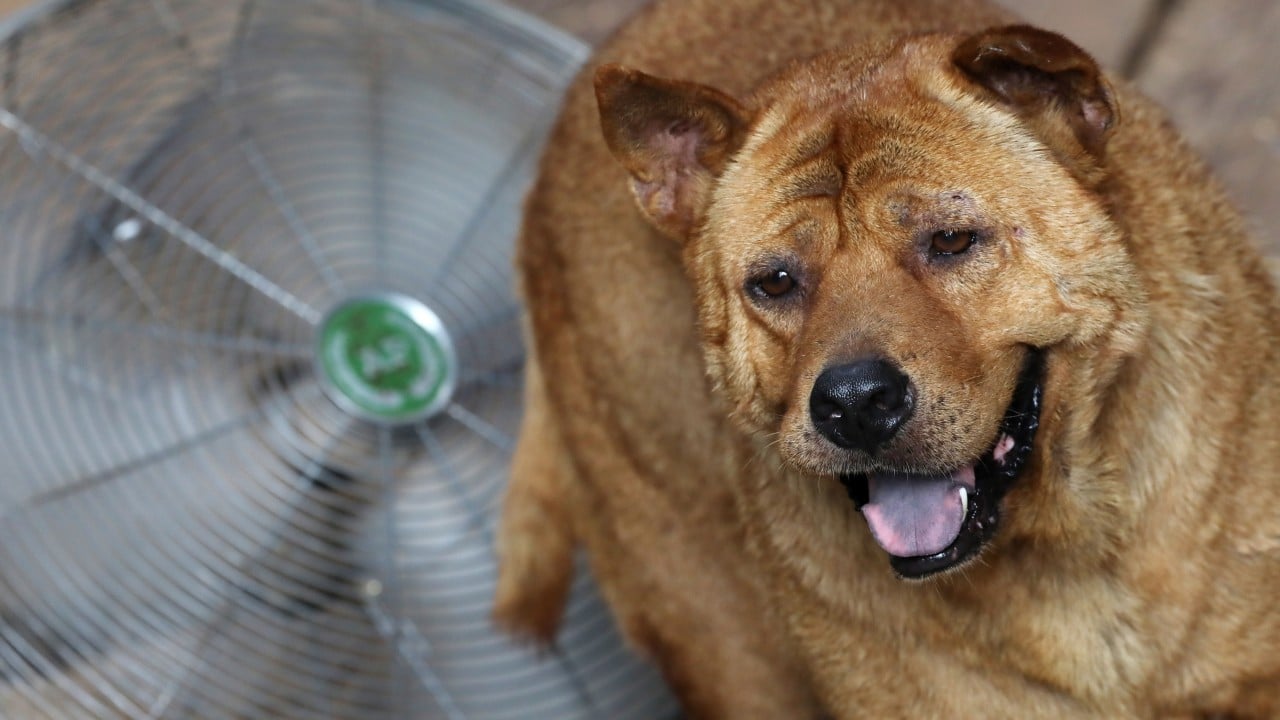
Keeping a large dog in Hong Kong is an act of quiet defiance against a concrete empire. Property sizes are shrinking while expectations of urban pet ownership continue to climb. Thousands of residents attempt to shoehorn Great Danes, German Shepherds, and Labradors into apartments measuring less than five hundred square feet. This mismatch triggers profound logistical, financial, and emotional strain.
Space dictates every single movement inside a Hong Kong flat. When a seventy-pound animal shares a cramped residential unit, traditional boundaries vanish. Hallways turn into obstacle courses. Living rooms shrink beneath sprawling frames stretched across narrow floorboards. Many owners discover too late that their lease agreements contain strict clauses prohibiting large animals, or that their landlords quietly despise the wear and tear caused by heavy claws and shedding fur.
The physical reality of housing a large breed in this city involves stark compromises. Standard elevators in older tenement buildings barely accommodate a grocery cart, let alone an anxious retriever and its handler. Escalators in modern transit hubs present immediate physical hazards for unprotected paw pads. Owners quickly learn to map their daily routines around spatial limitations, avoiding peak hours simply to prevent crowded lobbies from turning into battlegrounds of human impatience and canine confusion.
Navigating the Landlord Minefield
Finding a pet-friendly landlord in Hong Kong requires patience, luck, and deep pockets. Most standard tenancy agreements explicitly ban dogs over twenty kilograms, or they ban dogs entirely. A tenant who hides a large dog risks immediate eviction under local property laws.
Landlords hold all the cards in this market. When an owner admits to housing a large breed, rental rates often jump. Security deposits double to protect against property damage. Landlords fear ruined parquet flooring, chewed baseboards, and persistent odors that might deter future renters.
Property agents rarely help. Many agents will whisper assurances that a landlord might look the other way, but a verbal promise vanishes the moment a downstairs neighbor files a noise complaint. Securing a written addendum allowing a large dog takes exceptional negotiation. Expect to pay a premium for older village houses in the New Territories or low-rise walk-ups in Sai Kung, where landlords are occasionally more pragmatic about square footage and animal companionship.
The Cost of Living Large in a Vertical City
Financial obligations multiply rapidly when maintaining a large dog within a densely populated urban center. Veterinary care ranks among the highest expenses. Local clinics charge top dollar for specialized large-breed medications, surgeries, and preventative treatments. A single dose of flea and tick preventative costs significantly more for an eighty-pound dog than it does for a toy poodle.
Food consumption represents another major budget item. Importing premium kibble or sourcing raw ingredients for a massive frame drains bank accounts faster than expected. Storage space becomes an issue too. Storing a thirty-pound bag of dog food in a tiny kitchen requires sacrificing valuable cupboard real estate.
Transportation costs add up quickly. Taxis regularly refuse passengers with large dogs. Drivers worry about hair, mud, and scratched leather seats. Owners must rely on specialized pet taxi services, which charge steep hourly or per-trip rates. Relying exclusively on these services for vet visits and park outings can easily run into thousands of Hong Kong dollars every month.
The Exercise Equation
Concrete jungles starve large dogs of necessary physical exertion. Hong Kong boasts numerous parks, but most central urban green spaces enforce strict bans on dogs. Victoria Park and the Central and Western District Promenade offer designated pet zones, yet these areas are often small, crowded patches of asphalt or artificial turf that grow stifling during humid summer months.
True large-breed exercise demands open trails and sustained movement. Owners must travel beyond the urban core to places like Tai Tam, Clear Water Bay, or the hiking paths of Lantau Island. This requires owning a private vehicle or committing hours to public transport networks that demand dogs be muzzled and carried or kept strictly on specific ferries and buses.
Summer heat compounds the crisis. High humidity combined with scorching asphalt creates dangerous conditions for brachycephalic or heavy-coated large breeds. Heatstroke poses a genuine, life-threatening risk from May through September. Walks must occur at dawn or late at night, compressing outdoor time into narrow windows when temperatures drop slightly.
Social Friction and Cultural Friction
Cultural attitudes toward dogs vary wildly across generations and communities in Hong Kong. While younger residents embrace pet ownership, older generations often view large dogs through a lens of suspicion or outright fear.
Riding an elevator with a massive German Shepherd invites palpable tension. Neighbors press themselves against the walls, clutching grocery bags and eyeing the animal's teeth. Loud barking inside a thin-walled apartment building triggers immediate complaints to building management, leading to formal warnings and mounting social pressure.
Public spaces demand constant vigilance. Owners must master the art of preemptive management, pulling their dogs close, offering treats, and defusing anxiety before a passing pedestrian reacts with panic. One aggressive incident or uncontrolled lunge can result in animal control intervention, heavy fines, or forced surrender.
Veterinary Realities and Specialized Care
Medical infrastructure for large dogs in Hong Kong features distinct limitations. While the city hosts world-class veterinary hospitals, specialized orthopedic and rehabilitative care for giant breeds remains concentrated in a few high-cost facilities.
Large dogs face specific hereditary vulnerabilities, including hip dysplasia, gastric dilatation-volvulus, and cruciate ligament tears. Treating these conditions requires advanced surgical intervention and prolonged physical therapy. Insurance policies covering large breeds often carry exorbitant premiums with heavy exclusions for pre-existing or breed-specific conditions.
Finding blood donors for emergency transfusions is another hidden hurdle. Blood banks for dogs are rarely well-stocked in Hong Kong compared to major Western metropolitan areas. Owners of giant breeds often maintain informal networks, hoping another large-dog owner can step in during a crisis.
Building a Sustainable Routine
Succeeding as a large-dog owner in this environment demands meticulous planning. Throw away the illusion of spontaneous outings. Every trip requires checking pet policies, transit schedules, and weather forecasts.
Securing a reliable support network is non-negotiable. Trusted pet sitters and dog walkers who actually understand how to handle powerful animals are rare and expensive. Developing a relationship with a local community of fellow large-dog owners provides both emotional solidarity and practical advice on navigating local bureaucracy.
The city pushes back against your choices every single day. Overcoming that resistance requires resources, physical stamina, and thick skin. If you refuse to compromise on your dog's quality of life, the concrete grid will test your limits until you find a way to carve out space for them, or you break.