A System Burning From Within
When First Minister John Swinney stood before reporters to declare that climate change had arrived in the Scottish Highlands, he stated the obvious while neatly bypassing the real crisis. The wildfire scorching hundreds of hectares across the Cairngorms National Park is not just a climate warning. It is the predictable outcome of decades of failed land management, systemic underfunding of rural fire services, and an outdated ecological policy that treats ancient landscapes like manicured museum pieces. High temperatures ignited the heather, but human inertia laid the tinder.
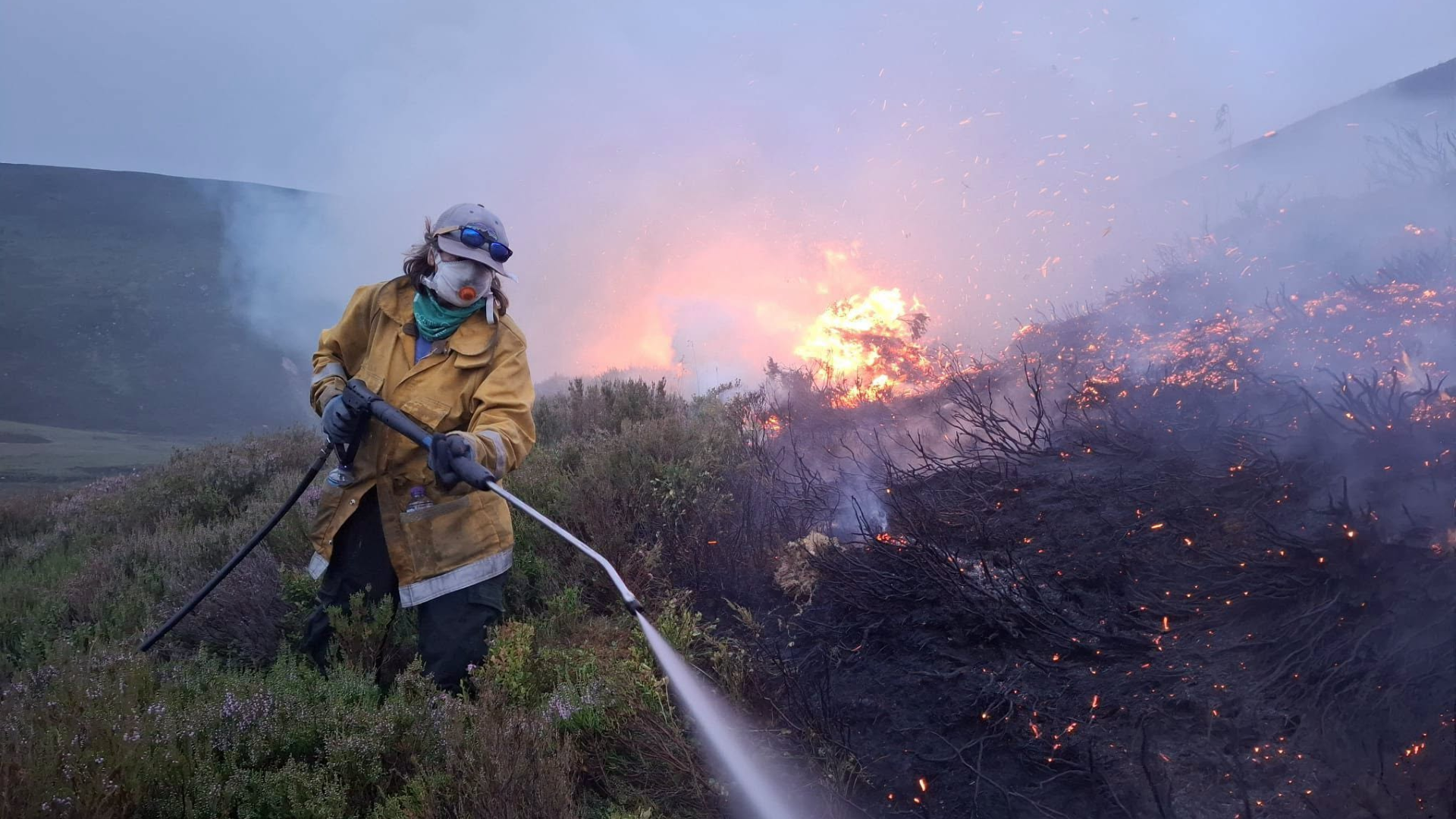
The immediate focus remains on containment. Emergency crews are battling blazes across rough terrain, relying on air drops and manual beaters to suppress flames spreading across dry peatland. Yet politicians treat these events as unpredictable natural disasters rather than structural failures. The narrative framed by government officials positions global warming as an uncontrollable external threat, deflecting scrutiny from regional policy decisions that actively heighten fire risks every single year.
Emergency responses cost millions once a hill goes up in smoke. Meanwhile, preventive measures receive a fraction of that funding. Scotland's upland fire response network is stretched dangerously thin, relying heavily on local gamekeepers, private estates, and under-resourced retained firefighters who lack specialized wildland fire gear. We are trying to fight modern ecological crises with mid-twentieth-century infrastructure.
The Tinderbox Creation Engine
Understanding why the Cairngorms burn requires looking beneath the charred topsoil. The Scottish Highlands are often romanticized as a wild, untouched wilderness. That is an illusion. The region is a heavily managed industrial landscape shaped by centuries of deforestation, intensive deer stalking, heather burning, and commercial forestry plantations.
Peat bogs act as the natural cooling mechanism and water reservoir for the Highlands. Healthy, wet peat blanket bogs absorb massive amounts of carbon and hold vast quantities of water, making them virtually fireproof under normal conditions. Decades of agricultural drainage ditches, cut to clear land for livestock and game birds, have drained these wet ecosystems. Dry peat does not stop fires; it feeds them.
Once a blaze reaches drained peat, the disaster shifts underground. Surface flames can be extinguished, but subterranean peat fires can smolder for weeks, creeping beneath the surface and re-igniting miles away when conditions dry out.
Healthy Peat Bog (Saturated)   ---> Absorbs Heat ---> Retains Moisture ---> Fire Barrier
Drained Peat Bog (Desiccated)  ---> Retains Carbon -> Acts as Fuel    ---> Underground Fire Spread
The introduction of dense single-species timber plantations has aggravated this vulnerability. Rows of non-native sitka spruce planted in tight blocks create wind tunnels that accelerate fire spread while shedding resinous, highly flammable needle litters. When these plantations sit directly adjacent to drained, dried-out peatlands, they form a continuous, uninterrupted chain of high-risk fuel.
| Feature | Intact Blanket Bog | Degraded / Drained Bog |
|---|---|---|
| Moisture Content | Extremely High (Up to 90% water) | Low to Moderate |
| Fire Behavior | Natural Firebreak | Deep Smoldering Fuel |
| Carbon Impact | Active Carbon Sink | Massive Carbon Release |
| Recovery Time | Resilient | Decades to Centuries |
Political Rhetoric Versus Highland Reality
Politicians prefer simple narratives. Blaming global carbon emissions allows holyrood leaders to posture on the international stage while avoiding difficult, localized battles over land reform, estate management practices, and agricultural subsidies.
Consider the debate surrounding controlled burning, known locally as muirburn. For generations, estate managers burned small patches of older heather to encourage fresh growth for red grouse and livestock. Estate owners argue this practice reduces overall fuel loads, preventing catastrophic wild blazes. Opponents argue that burning degrades the underlying peat, drying it out and worsening long-term fire risks.
Government policy has vacillated between these two positions for years, offering strict regulations without providing clear, funded alternatives for land managers. The result is total stagnation. Estates operate under regulatory uncertainty, while public funding for peatland restoration—re-wetting drained bogs by blocking historical drainage ditches—moves at a glacial pace compared to the scale of the threat.
"Calling it a climate wake-up call is a convenient political shield. The heat is the trigger, but the fuel was stacked by years of neglectful land management."
🔗 Read more: The Natanz Sabotage and the Mirage of De-escalation
The issue of personnel is equally urgent. The Scottish Fire and Rescue Service has faced real-terms budget cuts that force reliance on retained crews in rural areas. These men and women are dedicated, but they are often local volunteers balancing full-time jobs with emergency responses. Expecting small, under-equipped rural stations to handle multi-day wildland fires across hundreds of square miles of mountain terrain is a policy failure waiting to happen.
What Fixing the Highlands Actually Requires
Stopping these fires before they start requires abandoning empty rhetoric in favor of aggressive, ground-level intervention. Continuing down the current path guarantees bigger fires, burnt carbon stores, and degraded soil.
First, peatland restoration must be accelerated exponentially. The Scottish Government set targets to restore 250,000 hectares of degraded peatland by 2030, but annual progress consistently lags behind official projections. Rewetting peat is not an environmental luxury; it is critical fire suppression infrastructure.
Second, the structural design of Highland land use needs an overhaul. Creating broadleaf native woodland firebreaks between commercial pine plantations and open heather moorland creates natural barriers that slow advancing fire lines.
Third, Scotland needs a dedicated national wildland fire strategy backed by real money. Equipping rural units with specialized off-road vehicles, specialized personal protective equipment, and direct tactical training for high-altitude firefighting is essential. Gamekeepers and land managers possess unmatched local knowledge of terrain and access points, yet coordination between state services and private estate workers remains ad-hoc and fragmented.
The smoke over the Cairngorms will eventually clear, rain will fall, and political attention will drift toward the next news cycle. But the underlying conditions that lit the fire remain completely unchanged. Treating every predictable flare-up as an unprecedented anomaly is no longer a defense. The land is telling us exactly where the system is broken, and ignoring it will only ensure the next burn goes deeper and lasts longer.