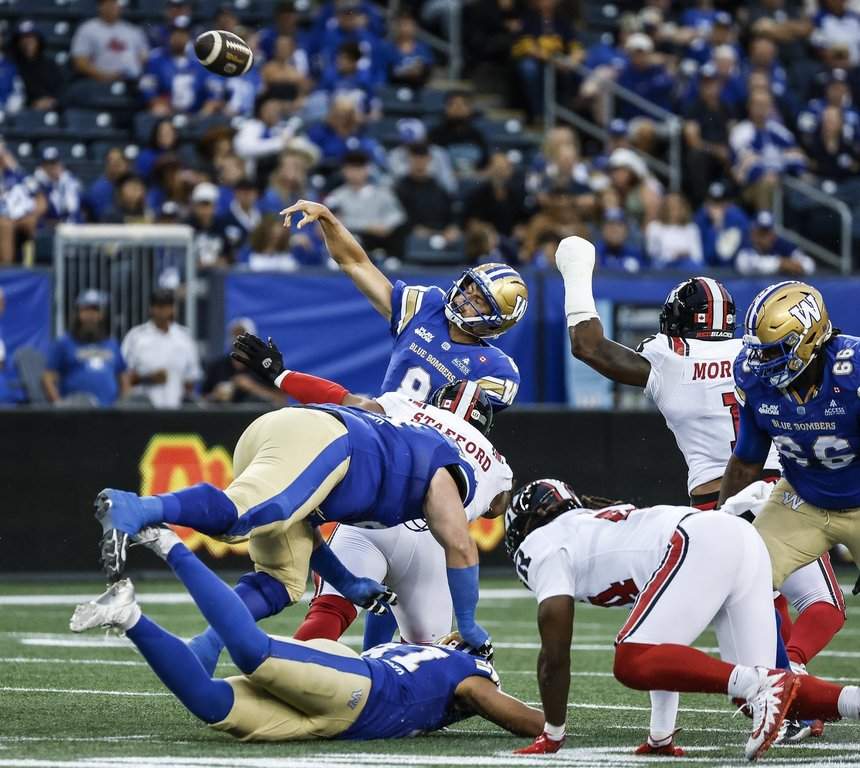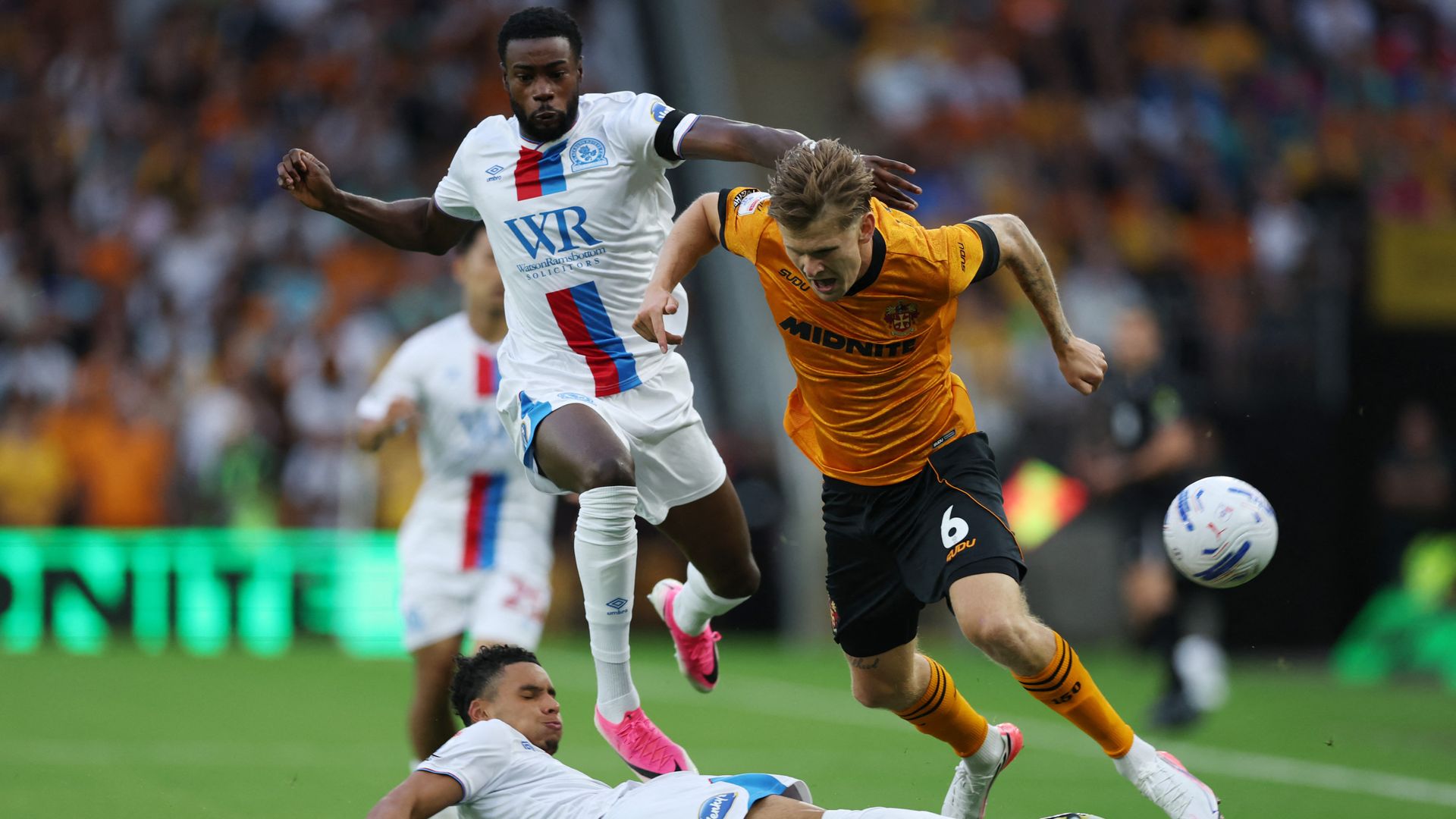
The floodlights at a lower-league English football ground do not hum; they buzz with a low, anxious vibration that settles right behind your ribs.
Stand pitch-side on a Tuesday night in November, when the mud smells like wet wool and bruised grass, and you realize something essential. This game does not belong to the television executives sipping espresso in glass-fronted boxes three counties away. It belongs to the man who has painted the corner flags for twenty-two years, and the grandmother who knits scarves in the same row seat her father built out of reclaimed timber.
Right now, that world is holding its breath.
A quiet standoff has paralyzed English football. At the center of it is a proposed financial distribution deal, widely dubbed the New Deal for football, intended to trickle hundreds of millions of pounds down from the gluttonous top tier of the Premier League to the gasping lower divisions. Everyone agrees the pyramid is tilting dangerously. Everyone agrees that clubs outside the elite are bleeding out, crushed by wage inflation and soaring operating costs. Yet, the agreement remains stalled, caught in a political and financial crossfire.
Enter the football watchdog.
The Independent Football Regulator, currently being birthed through painstaking legislative machinery, is stepping into the fray with a heavy question on the table: backstop powers. If the multi-billion-pound monoliths at the top cannot negotiate a fair distribution with the English Football League, the state-backed watchdog intends to step in and enforce a settlement. But before a single penny can be mandated, the regulator must figure out how much those backstop powers will actually cost to administer, who pays the bill, and whether the threat of intervention will break the stalemate or harden the defenses.
It is a dry administrative process on paper. A consultation document. A line item in a government impact assessment.
It is also an existential lifeline.
To understand why this matters, you have to leave the boardroom and walk into a place like Macclesfield, or Bury—or look closely at the ledger of any League Two club currently operating on a knife-edge.
Imagine David, a hypothetical club secretary for a fictionalized outfit in the National League North. David is sixty-four. He wears a fleece jacket that has seen better decades, and he knows the exact weight of a folding chair because he carries fifty of them out of the social club every Thursday morning. David does not care about broadcast rights valuations or multi-jurisdictional regulatory compliance. He cares that the boiler in the away dressing room died during the first frost of October, and replacing it costs more than the club’s gate receipts from the entire previous month.
When the Premier League talks about solidarity payments, David hears breathing room. When negotiations stall because top-flight clubs fear setting a precedent of forced revenue sharing, David hears the sound of another historic institution sliding toward liquidation.
This is the invisible stake of the watchdog's current consultation. It is not about bureaucratic turf wars. It is about whether the ecosystem that birthed the world's most popular sport will be allowed to rot from the bottom up while the top grows obscenely rich.
The numbers tell a stark story. The disparity between the Premier League and the rest of the football pyramid is wider than the Grand Canyon. A single season of television rights generates sums that look like national GDP figures, while clubs three divisions down survive on pie sales, lottery tickets, and the occasional stroke of luck in the FA Cup draw.
When the pyramid was whole, it functioned like an organic circulatory system. The rich clubs bought players from the smaller clubs, injecting cash directly into the grassroots. Youth academies in gritty industrial towns trained the future superstars of the national team. But modern football has severed those natural arteries. The elite clubs hoard talent internationally, buying teenagers from South America and Europe before they ever sniff a lower-league pitch, hoarding wealth in offshore accounts and complex corporate structures.
The proposed New Deal was supposed to fix this. It was supposed to pump an additional hundred million pounds a year down the pyramid.
Instead, it became a hostage situation.
Premier League owners, answerable to global investment funds and sovereign wealth, balked at the idea of perpetual redistribution. Talks dragged on. Months turned into years. Posturing replaced partnership. The silence from the negotiating tables became deafening.
This is why the regulator’s consultation on backstop costs is so potent. It represents the first real teeth the game has ever been offered. For decades, football policed itself, which is roughly equivalent to letting foxes draft the architectural guidelines for the henhouse. Self-regulation produced a decade of financial doping, reckless spending, and catastrophic collapses where proud clubs with century-old traditions vanished into thin air because an overseas speculator got bored or bankrupt.
Now, the state is drawing a line.
The consultation asks a deceptively simple question: How should the administrative costs of policing football's finances be funded, and what should the backstop look like?
Critics from the traditionalist wing of club ownership scream about government overreach. They argue that politicians have no business sticking their fingers into the beautiful, messy free market of sport. They warn that heavy-handed regulation will kill investment, make English clubs less competitive in Europe, and turn historic sporting clubs into boring, compliance-driven municipal utilities.
There is a kernel of truth in their anxiety. Bureaucracy is rarely agile. A heavy-handed state regulator could indeed stifle the instinctive, chaotic brilliance that makes English football intoxicating.
But that argument rings hollow to anyone who watched supporters weep outside Gigg Lane after Bury FC was expelled from the Football League. It rings hollow to the fans of Scunthorpe, of Macclesfield, of Southend, who spent their weekends protesting absentee owners while their clubs were picked clean like abandoned carcasses.
The free market in football does not work because football is not a normal business. A normal business can fail, go bankrupt, and leave the market to a competitor. A football club cannot. A football club is a cultural trust. It is the anchor of a town's identity. When a club dies, a piece of the community's soul goes with it. You cannot simply open a new football club next week to fill the gap; history cannot be franchised.
This is why the consultation on backstop costs is not just an exercise in regulatory accounting. It is a referendum on what football is for.
Is it an entertainment product designed solely to maximize global streaming revenue for hedge funds, or is it a public good anchored in local communities?
The watchdog's financial assessment process lays bare the mechanics of enforcement. To wield a backstop power effectively, the regulator must be funded properly—not by the taxpayers, but by the game itself, scaled proportionately so that the multi-billion-pound giants foot the bill for monitoring an industry they dominate. Unsurprisingly, working out who pays for the watchdog has become another proxy war. The big clubs want a light-touch, low-cost model that essentially leaves them alone. The lower leagues want a muscular, well-funded enforcer with the power to compel transparency and extract fair shares.
As the consultation window closes, the tension reaches a fever pitch.
The Premier League knows that if they cannot reach a voluntary agreement with the EFL, the watchdog will use these very backstop powers to impose a settlement upon them. That prospect terrifies them, not merely because of the money involved, but because it establishes a precedent: the state can, and will, intervene when the barons of the game become too greedy to govern themselves.
Back in the cold lower-league stadiums, nobody is reading the fine print of the regulatory impact assessments. They do not know what a consultation paper looks like.
They just know that the lights are on. They know that Saturday is coming.
And somewhere in the damp air, beneath the buzzing floodlights, there remains a fragile, stubborn hope that the game they inherited from their grandfathers might just survive the people who currently own it.
The silence from the boardrooms is deafening. But the hum of the stadium lights is louder.