When the cameras pan to a crowded pub during a major international football match, you are not watching a spontaneous moment of sporting passion. You are witnessing a highly engineered, precisely timed commercial product designed to keep your eyes glued to the screen during commercial breaks. Traditional sports media treats fan reactions as mere color to pad out a broadcast. The reality is far more calculated. Fan sentiment has become the ultimate currency in modern sports broadcasting, weaponized by networks to manufacture narrative tension where none exists.
Take the recent international fixture between England and Mexico. While surface-level coverage focused on viral clips of pint-throwing supporters and agonized faces in the stands, the real story unfolded behind the production mixing boards.
The Mechanics of Manufactured Drama
Broadcast directors do not stumble upon the perfect fan reaction. They hunt for it. A standard international broadcast utilizes dedicated "fan cams" that track pre-selected individuals in the crowd long before a ball is even kicked. Production assistants scan the stands during warm-ups to identify high-energy targets—the face-painted diehards, the weeping partisans, the aggressively animated optimists.
These individuals are logged into the production switcher as distinct assets. When England misses a crucial penalty or Mexico launches a devastating counter-attack, the director does not look for the ball. They look for the asset.
This systematic exploitation of emotion serves a distinct economic purpose. Football is inherently unpredictable. A match can easily devolve into a sterile, ninety-minute tactical stalemate. For a network that has paid hundreds of millions of dollars for broadcast rights, a boring game is a financial catastrophe. Viewers tune out. Advertisers demand rebates.
By inserting hyper-emotional fan cutaways into the broadcast loop, directors artificially inject high stakes into mundane passages of play. A slow-tempo buildup suddenly feels breathless when intercut with shots of a supporter biting their fingernails to the quick. It is a psychological trick that borrows heavily from reality television editing. It forces the viewer at home to mirror the anxiety on screen, ensuring they stay tuned through the next commercial pod.
The Digital Echo Chamber
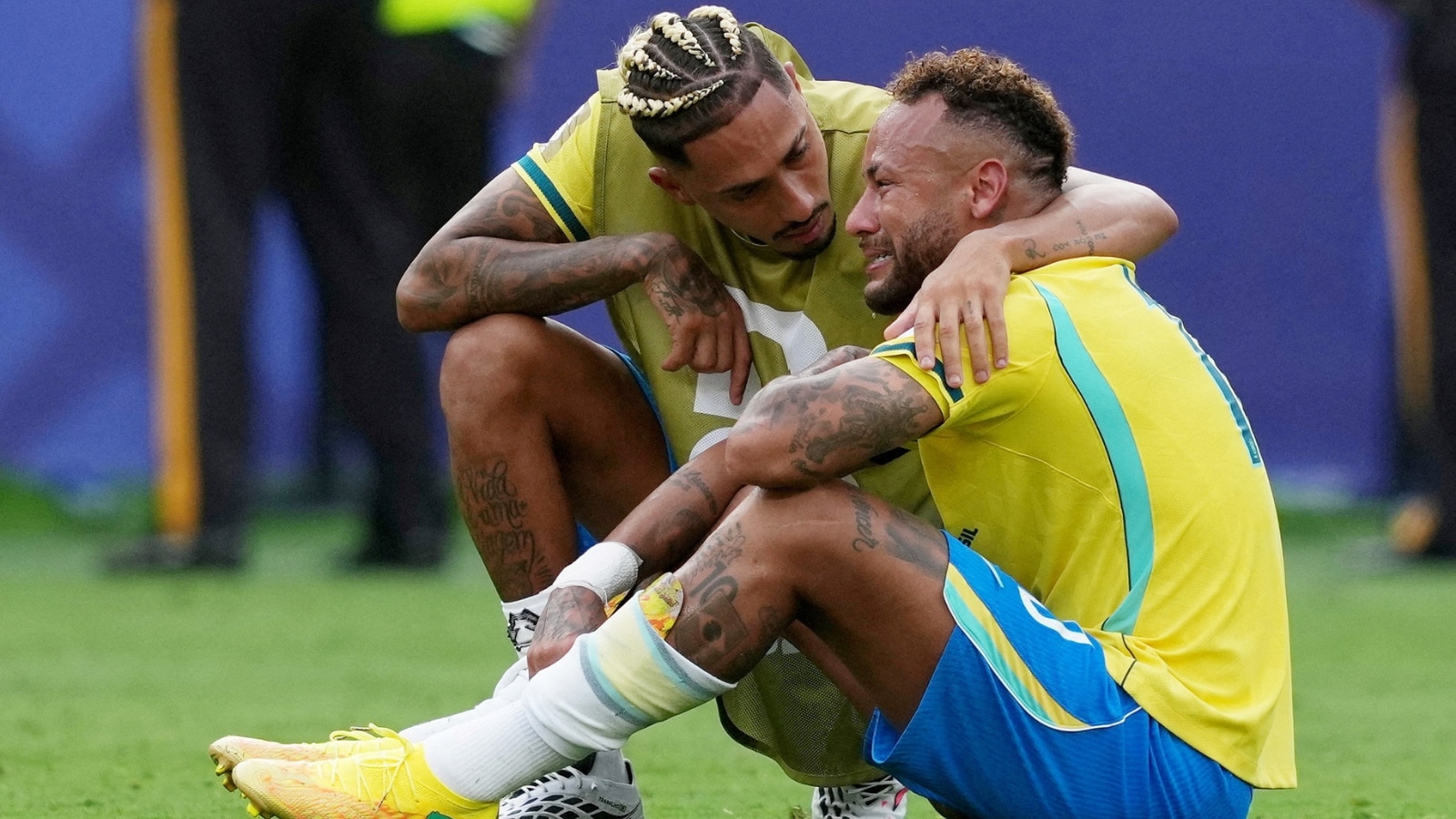
The monetization of these emotional peaks does not end when the final whistle blows. In fact, that is merely when the second phase of the extraction process begins. Social media algorithms prioritize high-arousal emotions like outrage, ecstatic joy, and profound despair. A clip of a tactically astute midfield interception generates minimal engagement. A ten-second video of an England supporter dropping his pie in slow motion after a Mexican goal goes viral within minutes.
Networks now employ dedicated digital content teams whose sole job is to slice these fan reactions into platform-optimized snippets during the live match. These clips are stripped of tactical context and repackaged as pure, unadulterated human drama.
Consider how this alters the traditional sports journalism ecosystem.
- The Content Pivot: Traditional match analysis is expensive and requires specialized expertise. Curating fan reactions requires almost no overhead but generates tenfold the digital traffic.
- The Valuation Gap: Advertisers increasingly value the high-engagement metrics of viral fan clips over the steady, predictable viewership of a post-match analysis show.
- The Persona Era: Supporters are no longer passive observers; many now actively perform for the cameras, transforming into caricature versions of themselves to secure digital fame.
This feedback loop has fundamentally altered supporter behavior. Fans in the stadium are acutely aware of the lenses pointed at them. The authenticity that networks claim to capture is being replaced by calculated performance art. Supporters recreate the viral reactions they saw online the week before, creating a hall of mirrors where genuine sporting passion is indistinguishable from clout-chasing influencer behavior.
The Cost of the Spectacle
This obsession with emotional optimization comes at a steep price for the sport itself. When the narrative of a match is viewed entirely through the lens of extreme fan reaction, the actual nuance of the game is suffocated. The tactical shifts, the quiet brilliance of defensive positioning, the fatigue-induced errors—all of these critical sporting elements are discarded because they cannot be summarized in a five-second reaction video.
International fixtures like England versus Mexico carry deep historical and cultural weight. Reducing these complex sporting encounters to a series of curated, meme-able clips devalues the athletic achievement on the pitch. It treats elite athletes as mere background actors in a broader digital drama fueled by the tears and cheers of the stands.
The broadcasting industry shows no signs of slowing down this trend. As traditional television audiences dwindle, the reliance on high-velocity social media content will only intensify. The fan in the stands is no longer just a customer paying for a ticket. They are the raw material being mined to sustain the multi-billion-dollar sports entertainment complex. The next time you see a stadium full of people reacting to a goal, look past the emotion. Look at the camera angle, consider the timing of the cutaway, and remember that your empathy is being monetized in real time.