Summer in Britain used to mean gentle drizzle, mild sunshine, and the occasional complaint about a washout barbecue. Not anymore.
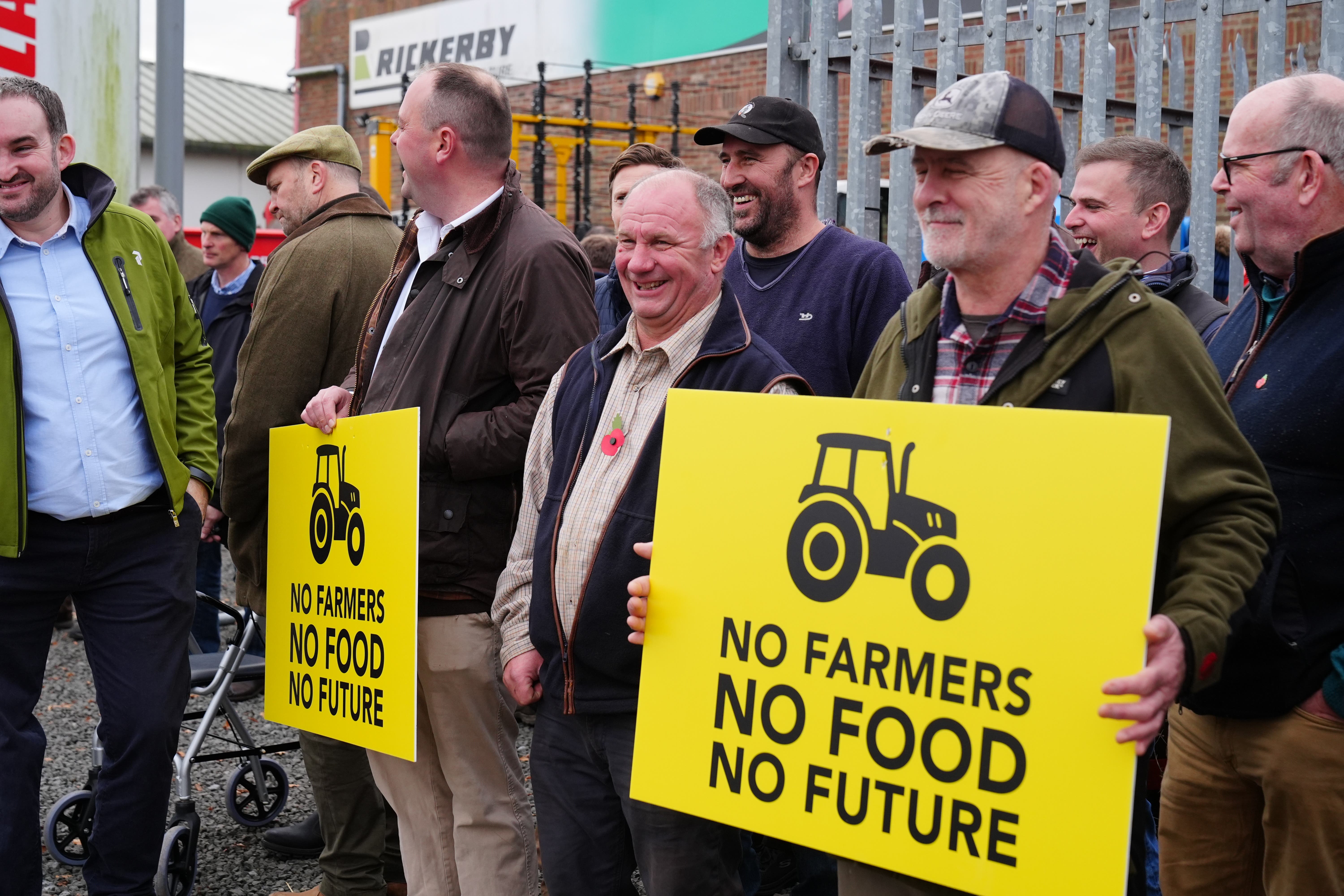
When punishing temperatures bake the countryside, the headlines usually focus on scorched lawns and packed beaches. But behind closed farm gates, a completely different crisis unfolds. British farmers are facing intense, brutal heatwaves that trash crop yields, stress livestock beyond endurance, and expose a fragile agricultural infrastructure that simply wasn't built for a scorching climate.
If you think our food supply chain is immune to a bit of warm weather, you're dead wrong. The current support systems for agricultural resilience are falling short, and the financial toll on growers is staggering.
The Myth of the Lucky British Summer
Most people assume a bit of extra sun does wonders for local produce. It’s a nice thought, but it ignores biological reality. Crops have comfort zones. When temperatures soar past seasonal norms, plants shut down to conserve water instead of growing.
Take potatoes and root vegetables. They need steady, manageable moisture. Hit them with a relentless heatwave and dry soil, and you get hollow hearts, stunted growth, and unsellable produce. Soft fruit growers face a frantic scramble. Raspberries and strawberries literally cook on the vine if pickers aren't out in the fields before dawn.
Livestock suffer just as much. Dairy cows experience severe heat stress, which tanks milk production and harms fertility rates. Pigs are notoriously sensitive to high temperatures, requiring massive energy investments in ventilation and cooling systems just to keep them alive.
Farmers aren't just dealing with bad weather. They're fighting a daily battle against climate volatility with one hand tied behind their backs.
Why Current Grants and Support Miss the Mark
Government grants and rural support schemes sound great on paper. Ministers love announcing emergency funds or environmental land management schemes. But ask any working farmer trying to upgrade irrigation pipes or install climate-controlled barns during a heat spike, and you'll hear a very different story.
Bureaucracy moves at a glacial pace. Agriculture moves at the speed of a parched root system.
By the time paperwork gets approved, inspections are cleared, and funds hit the bank, the harvest is already ruined. Existing financial safety nets are too rigid. They penalize farmers for trying innovative water storage solutions or experimenting with drought-resistant crop varieties that don't fit traditional subsidy boxes.
We need a massive overhaul of how agricultural aid is distributed. Waiting for a disaster to happen before releasing emergency relief is a broken strategy. Farmers need proactive investment in water reservoirs, soil health programs, and resilient infrastructure before the next heatwave hits, not after fields have turned to dust.
What Real Agricultural Adaptation Looks Like
Solving this crisis requires ditching old habits. Traditional farming blueprints drafted decades ago are useless today.
Smart growers are already pivoting. They are investing heavily in trickle irrigation and precision agriculture to deliver water directly to plant roots rather than spraying it wastefully into the air. They are planting cover crops to lock moisture into the soil and prevent topsoil erosion when sudden downpours follow dry spells.
On the livestock side, forward-thinking producers are retrofitting barns with high-volume low-speed fans, automated misters, and improved shade structures. These upgrades cost serious money, which is precisely why independent farmers need targeted financial backing that doesn't demand endless months of red tape.
The Department for Environment, Food & Rural Affairs needs to step up with flexible grants that prioritize speed and practicality. If we want homegrown food on our supermarket shelves, we have to keep the people growing it solvent when the weather turns hostile.
Stop treating extreme weather as an isolated fluke. It's the new baseline. Give farmers the tools, the water security, and the financial agility they need to survive it.


