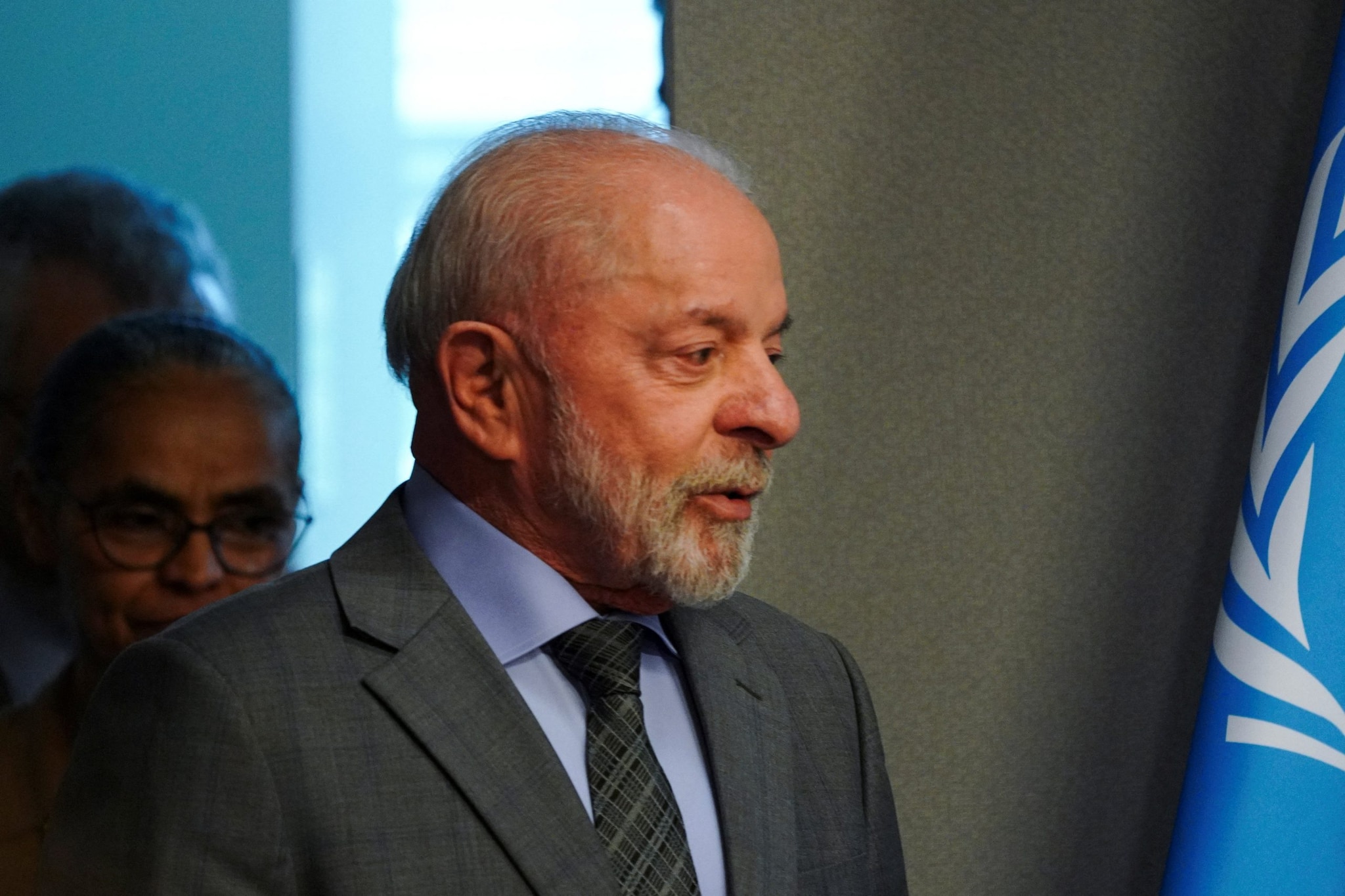
Jair Bolsonaro isn't going anywhere. While the former president remains under house arrest, the Brazilian Congress just handed him a massive lifeline by overturning President Luiz Inácio Lula da Silva’s veto on a bill that slashes prison sentences for coup-related crimes. It’s a move that feels like a political earthquake in Brasília. On Thursday, April 30, 2026, the lower house and the Senate basically told Lula his authority has limits—very narrow ones.
This wasn't just a close vote. It was a blowout. The lower house crushed the veto with 318 votes (they only needed 257), and the Senate followed suit with 49 votes. This legislation, often called the sentencing calculation bill, specifically targets how penalties for "coup d’état" and "violent abolition of the democratic rule of law" are tallied. Basically, instead of stacking these crimes on top of each other like a stack of pancakes, the law now says you only get punished for the heaviest one, with a small percentage added on.
If you’re wondering why this matters right now, it’s simple. Bolsonaro was slapped with a 27-year and 3-month sentence in September 2025. With this new law, that number could plummet to roughly 22 years. More importantly, it could cut the time he spends in a closed, maximum-security regime by years, potentially letting him move to an "open" regime as early as 2028.
The end of the stackable sentence
The legal logic here is where things get interesting. For a long time, the Brazilian Supreme Court (STF) has been aggressive in punishing the Jan. 8 rioters and the architects of the alleged coup. They treated every single act—breaking a window, entering a building, calling for a military intervention—as separate crimes to be added up. That's how you ended up with people getting 17 years for what looked like a riot.
Congress just put a stop to that. The new rules state that if these crimes happen in the same context, you can’t double-dip on the punishment.
- The "Crowd" Clause: If you were part of a crowd (like the rioters in Brasília), your sentence could be cut by one-third to two-thirds, provided you weren't the one paying for the buses or leading the charge.
- The Highest Count Rule: Instead of 10 years for crime A plus 10 years for crime B, you take the 10 years from the heavier crime and add a fraction.
- Retroactive Power: Because this is a "favorable" change in criminal law, it applies to people already convicted.
Lula’s allies are calling this a "day of infamy." They argue that shortening the leash for people who tried to topple a democracy is an invitation for them to try again. But for the opposition, led by figures like Senator Sérgio Moro and Bolsonaro’s own son, Senator Flávio Bolsonaro, this is about "proportionality." They claim the STF went rogue and handed out "vengeance" rather than justice.
Lula is losing his grip on the capital
You can't look at this vote in a vacuum. It happened less than 24 hours after Lula suffered another humiliating blow: the Senate rejected his Supreme Court nominee, Jorge Messias. That hasn't happened in Brazil for 132 years.
Lula is facing a Congress that is more conservative, more organized, and frankly, more fed up than it was during his first two terms. The "Centrão"—that massive bloc of swing-vote lawmakers—has clearly shifted toward the Bolsonaro camp. They aren't just protecting the former president; they're protecting themselves and their allies from a judiciary they see as overreaching.
The timing is brutal for the current administration. With the October 2026 presidential election looming, Lula is neck-and-neck in the polls with Flávio Bolsonaro. By helping the father, Congress is effectively campaigning for the son. It’s a clear signal to the STF that the legislative branch is ready to fight back against the "judicial activism" that has defined Brazilian politics since 2023.
What happens to Bolsonaro now
Don't expect the prison doors to swing open tomorrow. This isn't an automatic "get out of jail" card. Bolsonaro’s legal team has to file a formal request for a sentence review with the Supreme Court.
This sets up a massive showdown. The STF, led by justices who have been the primary targets of Bolsonaro’s rhetoric, now has to decide whether to uphold a law that essentially guts their previous rulings. There’s a very high chance the Workers' Party (PT) will sue to have the law declared unconstitutional, arguing that crimes against democracy shouldn't be eligible for these kinds of reductions.
But the political damage is done. Even if the court blocks it, the narrative is set. The opposition has proven they can muster a supermajority to defy the president and the high court.
The immediate next steps
If you’re following this closely, keep your eyes on the Supreme Court’s docket over the next few weeks. Here’s what’s actually going to happen:
- Legal Filings: Defense lawyers for Bolsonaro and the 280+ other Jan. 8 convicts will flood the courts with "recalculation" requests.
- The Unconstitutionality Challenge: Expect a formal challenge from the government to hit the STF within days.
- The Public Narrative: Watch how Flávio Bolsonaro uses this victory on the campaign trail. He's already framing this as a win for "freedom" and "due process."
The reality is that Brazil remains a country with two heads of state: one in the presidential palace and one under house arrest who still commands the loyalty of the legislature. This vote didn't just cut a sentence; it signaled that the Bolsonaro era is far from over. Lula might hold the office, but he’s currently losing the war for the law.