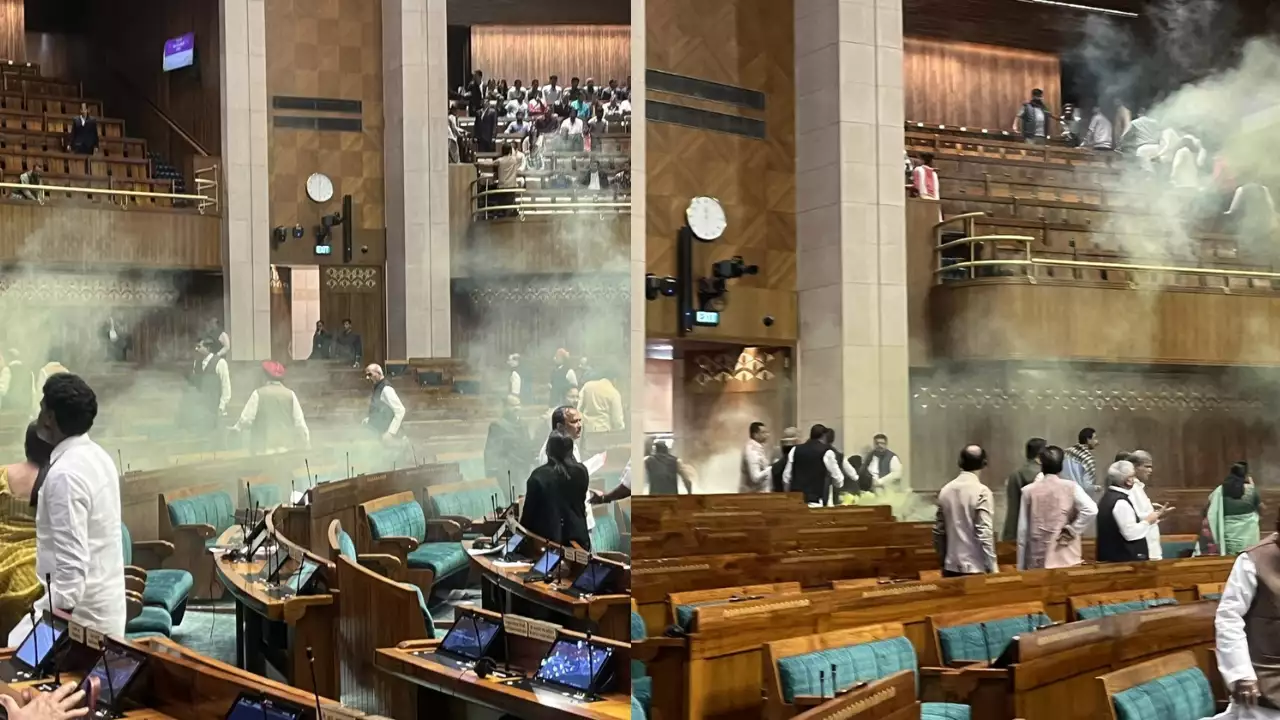
The music stopped when the first plastic ceiling tile curled like a piece of burnt parchment. It wasn’t the roar of a furnace; it was a rhythmic, popping sound, followed by a thick, chemical stench that clung to the back of the throat. Within minutes, a celebration in the heart of an Alpine night became a desperate scramble for the exits. This is where the story usually ends in the tabloids—with a tally of the scorched and the lucky. But for those caught in the diplomatic crossfire between Italy and Switzerland, the fire was only the beginning of a cold, bureaucratic haunting.
Consider a young man we’ll call Marco. He is hypothetical, but his situation is the lived reality for dozens of families currently caught in this legal purgatory. Marco didn't think about geography when the smoke filled his lungs. He didn't consider the Schengen Agreement or the intricacies of bilateral healthcare treaties when he was loaded into an ambulance. He only knew that the nearest specialized burn unit sat across a border that, on any other night, was invisible.
He woke up in a Swiss hospital bed, wrapped in gauze that cost more per square inch than a designer suit. He was alive. But as the physical wounds began the slow, itching process of scarring, a different kind of trauma arrived in the mail. A bill. A bill so large it felt like a clerical error. A bill that neither his Italian insurance nor his government seemed willing to touch.
The Invisible Line in the Alpine Snow
For decades, the border between Italy and Switzerland has been a polite suggestion for tourists and a daily routine for thousands of cross-border workers. We have grown accustomed to a world where geography is a secondary thought. We assume that if we fall in a neighboring house, the neighborly thing to do is help.
The conflict stems from a nightmarish clash of systems. Italy operates under a National Health Service (SSN) model, where healthcare is treated as a fundamental right funded by the collective. Switzerland, conversely, utilizes a highly regulated but private insurance-based system. When Italian citizens were rushed across the border following a catastrophic nightclub fire near the frontier, the Swiss hospitals did exactly what they were trained to do: they saved lives using the most advanced, and expensive, medical technology on the planet.
Then, they sent the invoice.
The Italian government looked at the rates—Swiss rates, which reflect one of the highest costs of living in the world—and balked. They offered to pay what the treatment would have cost in an Italian hospital. It was a gesture of "fairness" that ignored the reality of the debt. The difference between those two numbers is a chasm wide enough to swallow a family's entire future.
When Sovereignty Becomes a Scalpel
Imagine standing at the bedside of your child, watching a monitor beep with Swiss precision, and realizing that every heartbeat is costing you a week's wages. The "clash" the headlines describe isn't just a disagreement between ministers in Rome and Bern. It is a fundamental breakdown of the social contract.
Italy argues that the emergency justified the crossing and that Swiss charges are "extraordinary." Switzerland maintains that its hospitals are not charities and that the quality of care provided must be compensated at the market rate. While the diplomats argue over whether a skin graft should cost five thousand euros or fifteen thousand, the victims are being hounded by debt collectors.
This is the hidden cost of our interconnected world. We have globalized our tragedies but kept our bureaucracies strictly provincial. We want the freedom to move, to party, and to work across borders, but we haven't yet figured out who holds the bag when things go wrong in the "wrong" jurisdiction.
The Mathematics of Pain
To understand why this is so difficult to resolve, you have to look at the math, even if the math feels heartless. In Italy, a night in an intensive care unit is subsidized and price-controlled. In Switzerland, that same night involves a different labor market, different insurance premiums, and a different economic philosophy.
- The Italian Stance: We will cover our citizens, but we won't be held hostage by foreign prices we didn't negotiate.
- The Swiss Stance: We provided the service in good faith during a crisis; to accept less is to subsidize the Italian healthcare system with Swiss taxpayer resources.
The result is a stalemate of "No."
No, we won't pay the full amount.
No, we won't forgive the debt.
Caught in the middle are the survivors. For them, the fire never truly went out. It just moved from the nightclub to the kitchen table, where they sit every night, staring at letterheaded paper from Swiss law firms. They are being punished for the "sin" of being saved by the nearest available doctor.
The Ghost of Reciprocity
We often talk about "reciprocity" as a dry legal term found in the fine print of a passport or an insurance policy. But reciprocity is actually a form of secular faith. It is the belief that if I help your brother today, you will help mine tomorrow.
The fire revealed that this faith is fracturing. If an Italian citizen cannot be treated in a Swiss emergency room without facing financial ruin, then the border is no longer a line on a map. It is a wall. It tells every traveler that their safety is conditional upon their coordinates.
The logic of the state is cold. It prioritizes the "precedent." Rome fears that if they pay the Swiss bills in full this time, every neighboring country will hike their prices for Italian tourists. Bern fears that if they waive the fees, they invite a precedent where their high-tech facilities become a free resource for the rest of Europe.
But what about the precedent of mercy?
The Scar That Doesn't Fade
The most haunting part of this dispute is the silence of the officials when asked what the victims should do in the meantime. There are no "Next Steps" or "Easy Fixes" provided in the official communiqués. There is only the suggestion to wait for the next bilateral committee meeting.
Wait.
That is the advice given to people whose credit scores are being dismantled and whose peace of mind was incinerated months ago.
I remember talking to a man who had dealt with a similar cross-border medical nightmare years ago. He told me that the physical pain of the injury eventually dulls. The nerves die or they heal. But the "paper pain"—the feeling of being a pawn in a game between two giants—that stays sharp. It changes how you look at the world. You stop seeing a mountain range as a beautiful landscape and start seeing it as a barrier to safety.
A World Without Buffers
We live in an age of "just-in-time" everything. We have streamlined our lives for efficiency, but we have stripped away the buffers that used to protect us from the unexpected. This clash over medical bills is a warning. It is a symptom of a world that is more connected than ever, yet less prepared to handle the consequences of that connection.
The fire was an accident. The bureaucratic war that followed is a choice.
Every time a politician in Rome or Bern digs their heels in to "protect the taxpayer," they are choosing to leave a handful of their most vulnerable citizens in a lightless room. They are choosing to value the integrity of a ledger over the recovery of a human being.
As the snow begins to melt on the Alpine peaks that separate these two nations, the bills remain on the nightstands. The lawyers continue to bill by the hour to argue about why the doctors shouldn't have been so expensive. And somewhere, a survivor of a fire wakes up, not to the smell of smoke, but to the sound of the mail slot clicking shut, wondering if today is the day their own country decides they are worth the cost of their life.
The border is back. It isn't made of barbed wire or stone. It is made of ink, and it is cutting deeper than any flame ever could.