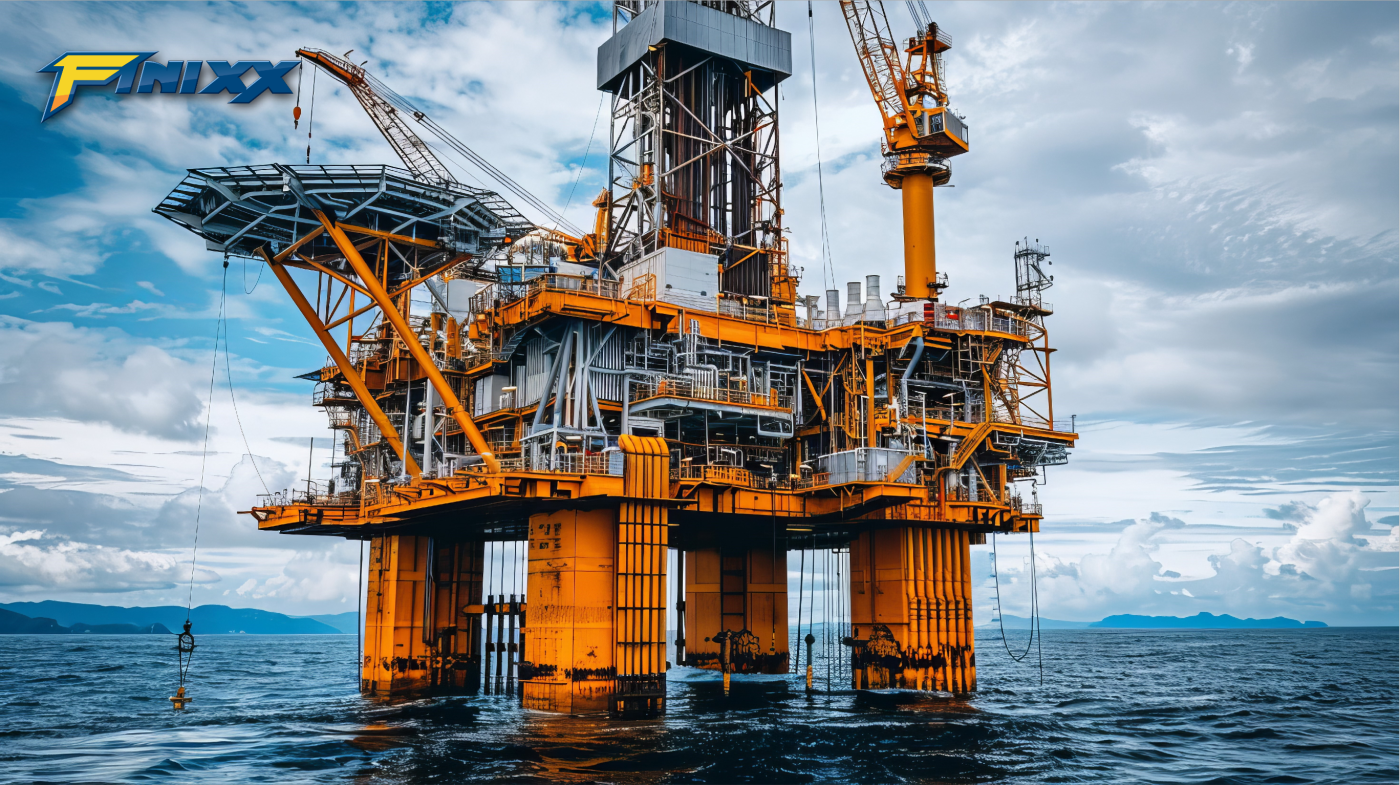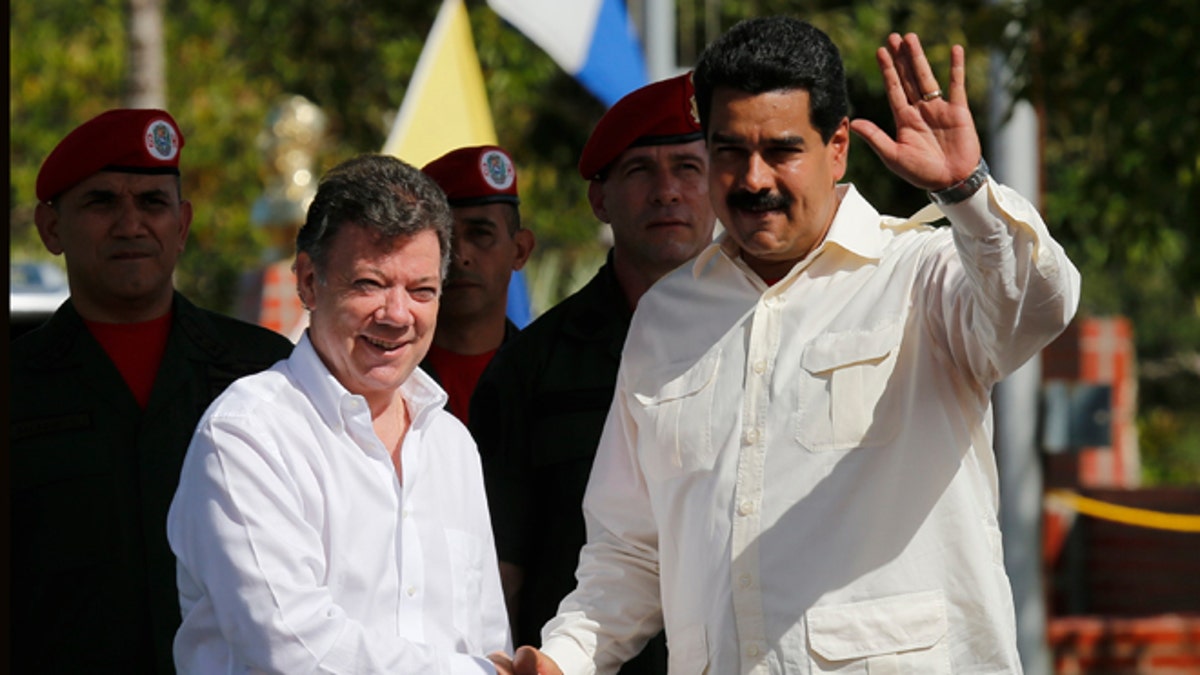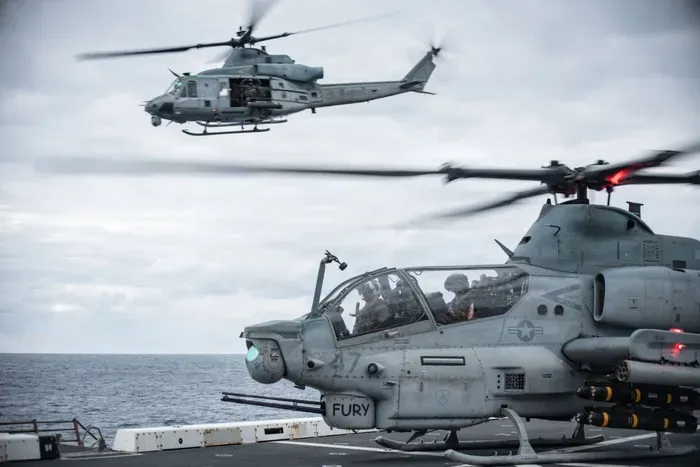
The Pentagon is moving chess pieces again. More Marines. More warships. A shiny new carrier strike group steamed toward the Persian Gulf like it’s 1991 and we still believe in the "Big Stick" theory of diplomacy. The mainstream press is eating it up, regurgitating the same tired line about "deterrence" and "stabilizing the region."
It’s a lie. If you enjoyed this post, you might want to read: this related article.
Sending more conventional hardware into the Middle East in 2026 isn't a show of strength. It is a confession of intellectual bankruptcy. We are attempting to solve a high-frequency, asymmetric problem with a low-frequency, industrial-age solution. It’s like trying to stop a swarm of hornets with a sledgehammer: you might hit one or two, but you’re mostly just breaking your own furniture and getting stung to death.
The Myth of the Carrier Strike Group
For decades, the presence of a U.S. carrier was the ultimate "stop" sign. It represented an untouchable apex of power. But the math has changed, and the Pentagon is refusing to check the ledger. For another look on this development, refer to the latest coverage from Al Jazeera.
Today, a $13 billion Nimitz-class carrier can be harassed—and potentially neutralized—by a $20,000 "garage-built" suicide drone or a $50,000 anti-ship missile. When you factor in the cost of the interceptors we use to shoot these down (often $SM-2$ or $SM-6$ missiles costing upwards of $2 million per shot), the economic attrition is laughable.
We are trading millions to stop thousands. That is not a sustainable military strategy; it is a bankruptcy filing in slow motion.
The "lazy consensus" says that presence equals security. In reality, presence equals a target. By flooding the region with more surface ships, we aren't deterring the adversary; we are providing them with more opportunities to test our defense envelopes and drain our munitions at a 100:1 cost ratio.
Deterrence is Dead—We Just Haven't Buried It
The fundamental premise of the "More Marines" strategy is that the threat of overwhelming force will make local actors back down. This assumes the adversary values their infrastructure and lives in the same way a Western democracy does.
I’ve spent enough time in the windowless rooms where these deployments are planned to know that we consistently misread the room. For an asymmetric insurgent or a proxy militia, being attacked by a U.S. warship isn't a defeat—it’s a recruitment video.
- Visibility is a liability. In the age of ubiquitous satellite surveillance and open-source intelligence (OSINT), our movements are broadcast in real-time. We have no element of surprise.
- The "Goldilocks" Problem. We send enough troops to be a provocation, but never enough to actually hold territory or change the political reality. It’s the "just right" amount of force to ensure a forever war.
- The Munition Gap. While we brag about sending warships, our production lines for precision-guided munitions (PGMs) are lagging. We are depleting stockpiles that are meant for a peer-level conflict in the Pacific to swat at drones in the Red Sea.
Stop Treating Every Conflict Like the Cold War
The competitor articles love to talk about "projecting power." Let's be precise about what that actually means in 2026. Projecting power means having the capability to influence an outcome.
Does a battalion of Marines on a ship in the Mediterranean stop a cyberattack on a regional power grid? No. Does it stop the flow of illicit funding through decentralized finance (DeFi) channels that fuels these militias? No. Does it counter the narrative warfare being waged on TikTok and Telegram? Not even close.
We are bringing bayonets to a code fight.
If we actually wanted to "stabilize" the region, we wouldn't be sending 2,000 more Marines. We would be deploying 2,000 more technical specialists focused on signal disruption, financial interdiction, and drone swarm suppression. But that doesn't look as good on the evening news as a shot of a Harrier jet taking off from a flight deck.
The Intelligence-Industrial Complex Failure
The reason we keep seeing these deployments is simple: The hardware exists, so we feel compelled to use it. It’s the "Law of the Instrument." If all you have is a massive, multi-billion dollar naval fleet, every regional tension looks like a naval exercise.
I’ve seen this play out in private equity and in defense contracting. When a firm has too much "dry powder" (unallocated capital), they start making bad deals just to move the money. The Pentagon is doing the same with human capital and steel. We are deploying because we don't know how not to.
Consider the $Red Sea$ corridor. We’ve spent months "protecting" shipping lanes, yet insurance premiums for cargo remain astronomical and traffic is still diverted around the Cape of Good Hope. Our "presence" hasn't restored the status quo; it has merely subsidized the risk for shipping conglomerates while the taxpayer picks up the tab for the interceptor missiles.
The Nuance: What a Real Strategy Looks Like
A contrarian doesn't just point out the fire; they show you why the water you're throwing on it is actually gasoline.
True stability in the Middle East won't come from more warships. It comes from decoupling.
Imagine a scenario where the U.S. prioritized energy independence and supply chain resilience so aggressively that the Suez Canal became a secondary concern. Instead of spending billions to "guard" a puddle of water 7,000 miles away, that capital could be used to harden our own domestic infrastructure against the very asymmetric threats we are currently failing to deter abroad.
But that requires a long-term vision that doesn't fit into a two-year election cycle. It’s much easier to order a "show of force" and hope nothing sinks.
The Cost of the "Safe" Choice
Choosing to send more troops is the "safe" political choice. If something goes wrong, the administration can say they "bolstered our presence." If they did nothing and something went wrong, they’d be crucified for being "weak."
This cowardice is costing us the next century.
While we are busy repositioning assets to counter 20th-century threats, our actual competitors are laughing. They see us bogged down, burning through our most expensive assets to counter their cheapest ones. They see us exhausted, reactionary, and incapable of original thought.
We are currently the world's most expensive security guard for a mall that's already gone out of business.
Stop Asking "How Many Troops?"
The question "Should we send more troops?" is the wrong question. It’s a distraction.
The real question is: "Why are we still using a platform-centric strategy in a network-centric world?"
If you can’t answer that, you have no business moving a single Marine. We are obsessed with the "where" (The Middle East) and the "what" (Warships), but we have completely lost sight of the "why."
Every ship we send is a massive, floating monument to a world that no longer exists. Every Marine we deploy into this specific theater is being used as a pawn in a game where the opponent has already changed the rules.
We aren't winning. We aren't even playing the right game.
Pull the fleet back. Invest in autonomous defense. End the theater of "deterrence."
Until the Pentagon learns to value its assets more than its optics, we are just waiting for a $20,000 drone to teach us a $13 billion lesson.
Stop the deployment. Fix the strategy. Or get out of the way.