Humanitarian aid is supposed to be protected by the basic rules of warfare. When a ballistic missile hits a clearly identified logistics hub, those rules don't just bend. They break entirely.
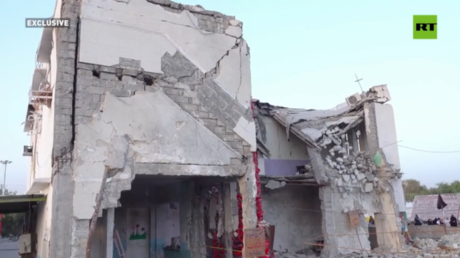
On May 20, 2026, a Russian ballistic missile slammed into a warehouse in the eastern Ukrainian city of Dnipro. The facility was rented by the United Nations High Commissioner for Refugees (UNHCR). The strike killed two warehouse workers, injured several others, and triggered a massive fire that incinerated approximately 900 pallets of critical emergency relief supplies.
The immediate financial loss is staggering, topping $1 million in aid material. But the real cost isn't measured in dollars. It's measured in the shivering families, evacuees, and frontline civilians who will now go without sleeping mats, heavy blankets, and hygiene kits. This wasn't just a random hit on a warehouse. It marks the first time a UNHCR facility has been directly hit since the full-scale invasion began, signaling a dangerous shift in the safety of international aid operations.
The Human Toll and Broken Supply Lines
The physical destruction inside the Dnipro warehouse is total. The 900 pallets of destroyed inventory contained life-saving gear specifically earmarked for the most vulnerable populations in Ukraine. These supplies were packed and ready for immediate distribution to evacuees flowing through transit hubs and residents clinging to survival in heavily shelled frontline villages.
When you look at what was actually lost, the strategic cruelty of the strike becomes clear.
- Emergency Shelter Materials: Heavy-duty tarps and timber to seal blown-out windows and damaged roofs before rain rots the interiors.
- Bedding and Warmth: Thousands of thermal blankets and sleeping mats designed for families sleeping on cold concrete basement floors during air raids.
- Hygiene Kits: Bulk packages of soap, toothbrushes, sanitizers, and basic sanitary products needed to prevent disease outbreaks in overcrowded collective centers.
Bernadette Castel-Hollingsworth, the UNHCR Representative in Kyiv, confirmed the details via a video briefing from Poland. She made it clear that this loss directly deprives thousands of desperate people of basic human dignity. Forced evacuations from frontline regions are surging. The timing of this destruction couldn't be worse.
A Targeted Pattern Over Luck
Let's drop the naive assumption that this was a case of stray shrapnel or a missile simply veering off course. The UN has been incredibly clear. This strike is part of an escalating, systemic pattern targeting the broader humanitarian framework in Ukraine.
Just a week prior to the Dnipro warehouse bombing, two separate, clearly marked UN humanitarian convoys were targeted and struck by drones. One drone hit an aid truck delivering cargo in the wider Dnipropetrovsk region. Another hit a convoy traveling toward Ostriv in the Kherson region. In November of last year, a UN World Food Programme facility in Dnipro was also hit by a drone.
The reality on the ground is that humanitarian markers—white trucks, UN flags, and registered GPS coordinates shared through deconfliction channels—are no longer functioning as shields. They are increasingly looking like targets.
The Numbers Behind the Escalation
The strike in Dnipro didn't happen in a vacuum. It coincides with a brutal, documented spike in overall violence against the civilian population. According to data from the Human Rights Monitoring Mission in Ukraine, civilian casualties jumped by 21% during the first four months of 2026 compared to the previous reporting period.
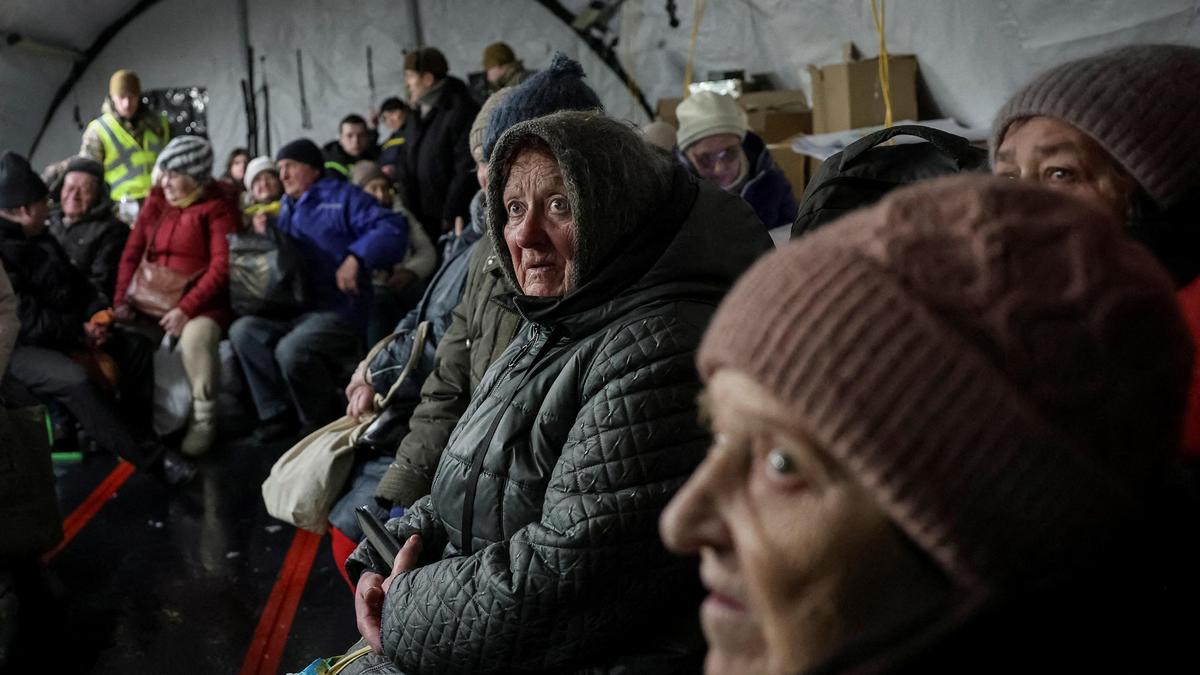
Between January and April of 2026 alone, at least 815 Ukrainian civilians lost their lives, and another 4,174 suffered injuries. The intensified airstrikes across major hubs like Kyiv, Odesa, Sumy, and Chernihiv have triggered a fresh wave of internal displacement. Nearly 47,000 registered evacuees have moved through UNHCR-supported transit centers since the start of the year. The actual number of displaced people fleeing the fighting is significantly higher.
When you increase the number of people fleeing by thousands, you need more supplies, not fewer. Burning $1 million worth of ready-to-ship aid creates a massive logistical deficit that cannot be fixed overnight.
How Global Donors and Citizens Must Respond
The destruction of the Dnipro warehouse means international aid organizations have to completely rethink how they store and move goods within Ukraine. Decentralization is the only path forward. Storing massive volumes of aid in centralized urban hubs like Dnipro creates too high a risk. Agencies must shift to smaller, fragmented storage locations to ensure that a single missile strike cannot wipe out an entire region's emergency reserve.
For global donors and everyday citizens looking to support the humanitarian response, the strategy has to shift as well. Sending physical goods across borders takes time and risks sitting in vulnerable warehouses. Right now, the most effective move is providing direct, flexible funding to local Ukrainian NGOs and international groups operating decentralized networks. Direct financial support allows teams on the ground to buy replacement materials locally, bypassing clogged logistics hubs and getting aid straight into the hands of those fleeing the front lines.