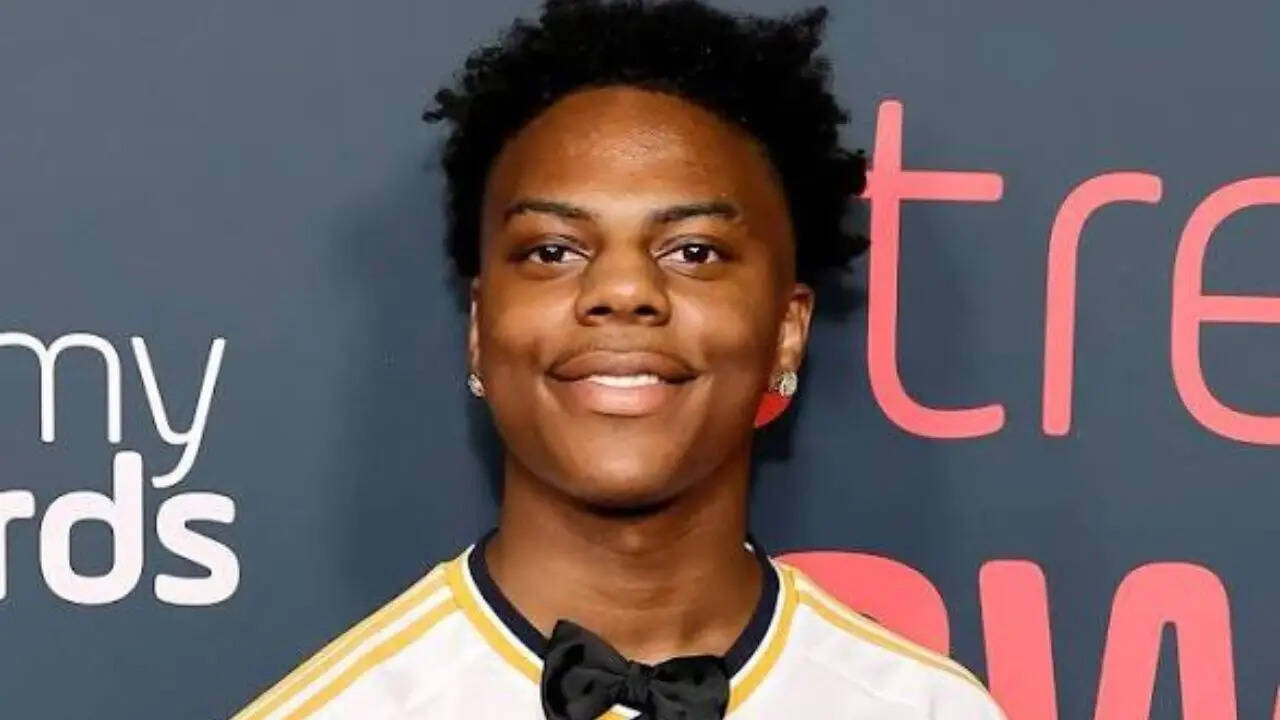
The physical collapse of Darren Watkins Jr., known globally as IShowSpeed, during a live broadcast in St. Maarten serves as a critical case study in the intersection of high-output digital performance and acute physiological failure. While viral media characterizes such events through the lens of "health fears" or "concerning clips," a rigorous analysis identifies a clear breakdown in the bioenergetic and thermoregulatory systems required to sustain high-intensity, unscripted content in tropical environments. This incident was not a random medical anomaly but the predictable outcome of an overloaded biological system operating without recovery protocols.
The Triad of Physiological Failure
To understand the collapse, one must examine the specific stressors acting upon the creator. This event was governed by three distinct physiological variables: hyperthermic stress, metabolic exhaustion, and autonomic nervous system overstimulation.
1. Thermoregulatory Overload
Performing high-energy physical movements in the humid, tropical climate of the Caribbean creates a cooling deficit. The body relies on the evaporation of sweat to dissipate heat. In high humidity, the vapor pressure gradient between the skin and the air narrows, rendering sweat an inefficient cooling mechanism. When internal core temperatures rise above 38.5°C (101.3°F), the body begins prioritizing skin blood flow to facilitate cooling, which reduces the volume of blood available for the brain and skeletal muscles. Watkins’ visible struggle before the collapse indicates a shift from compensated heat stress to uncompensated heat exhaustion.
2. The Metabolic Cost of High-Arousal Content
The "IShowSpeed" persona requires a sustained state of sympathetic nervous system activation. This entails elevated heart rates, increased cortisol production, and rapid glycogen depletion. Unlike a traditional athlete who follows a structured exertion-recovery cycle, a live streamer remains in a high-arousal state for hours without a defined "off" period. This creates a metabolic "debt" where the rate of ATP (adenosine triphosphate) consumption outpaces mitochondrial production, leading to acute muscular and neurological fatigue.
3. Autonomic Dysregulation
Sustained screaming, jumping, and rapid postural changes—hallmarks of Watkins’ content—trigger frequent fluctuations in blood pressure. When the autonomic nervous system is already taxed by heat and dehydration, it may fail to manage the baroreflex (the body's mechanism for maintaining constant blood pressure). The result is orthostatic hypotension or vasovagal syncope, where the brain is temporarily deprived of oxygenated blood, leading to an immediate loss of consciousness.
Quantifying the Streaming Workload
The digital economy often ignores the physical reality of content creation. A high-energy IRL (In Real Life) stream is functionally equivalent to a mid-to-high intensity cardiovascular workout. However, the creator lacks the standard safeguards of professional athletics:
- Absence of Hydration Periodization: Most streamers consume fluids reactively rather than proactively, failing to account for electrolyte loss (sodium, potassium, magnesium) that occurs through heavy perspiration.
- Cognitive Load Overlap: The creator must simultaneously manage physical performance, technical equipment, and real-time audience interaction. This "dual-tasking" increases the perceived rate of exertion (RPE) and accelerates systemic fatigue.
- Environmental Variables: St. Maarten’s climate profile provides a baseline heat index that frequently exceeds the "Safe" threshold for vigorous activity.
The Mechanism of the Collapse
Observation of the footage reveals a specific sequence of biological failure. The initial symptoms—lethargy and labored breathing—point to the onset of hyperthermia. As the core temperature climbed, the heart rate likely moved into Zone 5 (90-100% of maximum), a state that is unsustainable for prolonged periods. The "collapse" is the body’s forced shutdown mechanism—an emergency override intended to prevent permanent organ damage or heatstroke by forcing the body into a horizontal position, which eases blood flow to the brain.
The prevailing public discourse focuses on the "mystery" of the illness, yet the diagnostic pathway is straightforward. The primary drivers were likely:
- Dehydration-induced hypovolemia: Lowered blood volume.
- Hypoglycemia: Low blood sugar from high-intensity exertion without caloric replenishment.
- Heat Syncope: Fainting due to heat-induced peripheral vasodilation.
[Image of heat exhaustion vs heat stroke symptoms]
Structural Deficiencies in Creator Management
The incident highlights a lack of operational risk management in the creator economy. Traditional media productions (film/television) employ safety officers and adhere to strict work-to-rest ratios, especially in extreme climates. The decentralized nature of streaming removes these guardrails.
The "Engagement Trap" creates a perverse incentive for creators to ignore physiological warning signs. Because live viewership metrics are often tied to the intensity of the performance, any reduction in energy—even for the sake of health—results in immediate "churn" or viewer loss. This creates a feedback loop where the creator is incentivized to push through the "Red Zone" of physiological safety to maintain the "Green Zone" of digital growth.
Risk Mitigation Framework for IRL Streaming
To prevent recurrence and professionalize the space, creators must treat high-energy broadcasts as athletic events. The following framework provides a blueprint for managing the biological costs of performance:
Pre-Stream Conditioning
Streaming in tropical environments requires a minimum 7-to-10 day heat acclimatization period. This biological process increases plasma volume and improves the sensitivity of the sweating response. Watkins' sudden transition into a Caribbean climate without this period left his system vulnerable to rapid overheating.
Real-Time Bio-Monitoring
Integrating wearable technology (e.g., WHOOP, Oura, or Garmin) with stream overlays would allow for objective tracking of Heart Rate Variability (HRV) and skin temperature. This provides a "dashboard" for the creator to monitor their internal state, allowing for tactical breaks before reaching the threshold of syncope.
Hydration and Nutrition Logisitics
Fluid intake must be measured. For an IRL stream in temperatures exceeding 30°C (86°F), a creator should aim for 800ml to 1 liter of electrolyte-enhanced fluid per hour. Furthermore, maintaining glucose levels via fast-absorbing carbohydrates is necessary to prevent the cognitive "fog" that leads to poor decision-making and increased physical risk.
The Future of High-Stakes Performance
As the "creator athlete" becomes a more prominent figure in the entertainment landscape, the industry must reckon with the limits of human biology. The St. Maarten incident is a warning that the "always-on" culture is hitting a physical bottleneck. Future success in this category will not belong to those who can shout the loudest for the longest, but to those who can manage their physiological reserves with the precision of an elite athlete.
The immediate strategic pivot for Watkins and his peers involves a shift toward "Performance Periodization." This means scheduling high-intensity streams between lower-intensity "chatting" segments to allow for heart rate recovery and temperature regulation. Without this structural change, the probability of more severe incidents—including exertional heatstroke or cardiac events—remains high.
The data suggests that the "I-Show-Speed" model of constant high-arousal output is reaching a point of diminishing returns, where the biological risk outweighs the digital reward. Professionalization of the support team—including the hiring of performance coaches or athletic trainers—is the only path to sustaining this level of output without catastrophic failure.