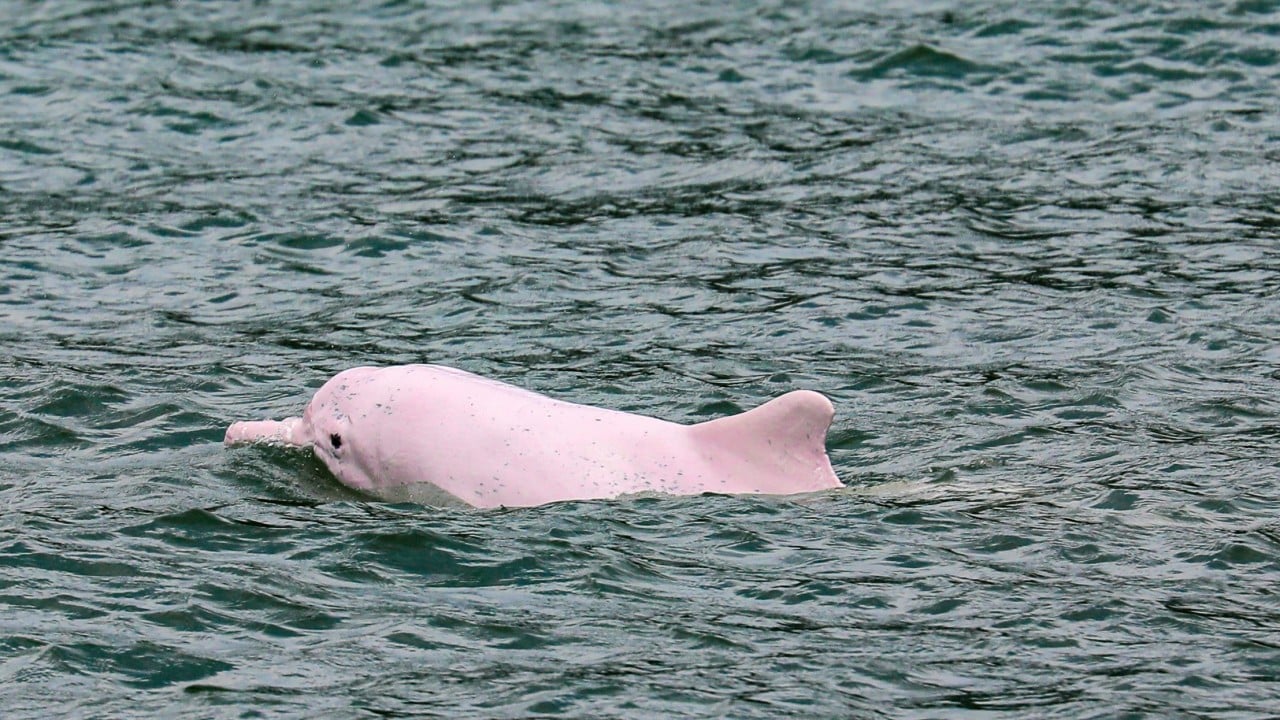
The detection of hazardous electronic waste components within the tissues of Hong Kong’s Indo-Pacific humpback dolphins (Sousa chinensis) is not a localized ecological anomaly; it is a terminal indicator of a broken global circular economy. While public discourse often focuses on visible plastic pollution, the chemical signature found in these apex predators reveals a more insidious failure in the management of post-consumer electronics. The presence of these toxins suggests a direct failure in the containment of Heavy Metals and Persistent Organic Pollutants (POPs) during the reclamation and disposal phases of the hardware lifecycle.
To understand the severity of this contamination, one must analyze the three mechanical pathways that allow electronic waste to transition from a discarded device to a biological contaminant:
- Hydrological Leaching: The breakdown of printed circuit boards (PCBs) and cathode ray tubes in unlined landfills, allowing lead, mercury, and cadmium to enter the groundwater and eventually the Pearl River Delta.
- Atmospheric Deposition: The byproduct of "backyard" smelting operations where plastics are burned to recover copper and gold, releasing brominated flame retardants (BFRs) and dioxins into the air, which then settle on the ocean surface.
- Direct Marine Runoff: Industrial discharge from manufacturing hubs that fail to implement closed-loop filtration for heavy metal effluents.
The Trophic Magnification Framework
The Indo-Pacific humpback dolphin serves as a biological sentinel because it occupies the highest tier of the marine food web. The concentration of toxins in these mammals is not proportional to the concentration of toxins in the water; it is a result of Biomagnification Kinetics.
In this system, the dolphin’s lipid-rich blubber acts as a long-term storage vault for lipophilic (fat-soluble) contaminants. Unlike water-soluble toxins that may be excreted, substances like polybrominated diphenyl ethers (PBDEs)—commonly used as flame retardants in electronics—bind to fatty tissues. As the dolphin consumes smaller fish, it inherits the entire toxic load those fish accumulated over their lifespans.
The mathematical reality of this accumulation follows a non-linear trajectory:
- Initial Uptake: Microscopic organisms (zooplankton) absorb trace amounts of heavy metals.
- Intermediate Concentration: Foraging fish consume vast quantities of zooplankton, concentrating the toxins by an order of magnitude.
- Apex Loading: The dolphin, consuming roughly 5% to 10% of its body weight daily, becomes the ultimate repository for the regional "toxic debt."
Chemical Profiles and Biological Disruption
The specific contaminants identified—specifically mercury and various BFRs—disrupt the dolphin’s internal systems through two primary mechanisms: Endocrine Mimicry and Neurotoxic Interference.
Endocrine Mimicry
BFRs share a structural similarity to natural hormones, particularly thyroid hormones. When these synthetic chemicals enter the bloodstream, they bind to hormone receptors, either triggering an inappropriate biological response or blocking the "docking station" for actual hormones. This leads to impaired reproductive success, which explains the declining birth rates observed in the Pearl River Delta dolphin populations. If the endocrine system cannot signal the necessary biological cues for gestation or lactation, the population enters a state of demographic collapse regardless of food availability.
Neurotoxic Interference
Methylmercury, a common byproduct of poorly managed e-waste, crosses the blood-brain barrier. In marine mammals, this manifests as impaired echolocation and motor coordination. Because humpback dolphins rely on sophisticated acoustic mapping to navigate the turbid waters of the South China Sea and hunt prey, a minor reduction in neurological function is a death sentence. A dolphin that cannot effectively "see" with sound cannot compete for resources or avoid maritime traffic.
The Pearl River Delta Bottleneck
The geography of Hong Kong and the surrounding Greater Bay Area creates a localized "concentration effect." The Pearl River Delta acts as a funnel for the industrial output of one of the world's most dense electronics manufacturing and recycling hubs.
The intersection of high-volume hardware turnover and inadequate formal recycling infrastructure creates a "Linear Leakage" model. In this model, the economic value of the electronic component is extracted, but the environmental cost is externalized into the delta. The delta's shallow, slow-moving waters prevent the rapid dilution of heavy metals, ensuring that contaminants remain in the local ecosystem long enough to be integrated into the biomass.
Economic Externalities of the Hardware Lifecycle
The presence of e-waste in marine life is a clear signal that the "Extended Producer Responsibility" (EPR) frameworks are currently insufficient. From a strategy perspective, the cost of disposing of a smartphone or laptop is not reflected in its retail price. Instead, that cost is being paid by the degradation of natural capital—in this case, the biodiversity of the Hong Kong coastline.
The current recycling failure can be categorized by three structural deficits:
- Design for Dismantling (DfD) Deficit: Most consumer electronics are assembled using adhesives and proprietary screws that make manual recovery of hazardous materials labor-intensive and expensive.
- Informal Sector Dominance: In many regions surrounding the South China Sea, the informal recycling sector—which lacks the technology to safely capture toxins—processes a significant percentage of global e-waste due to lower operational costs.
- Regulatory Arbitrage: The movement of waste from high-regulation environments to low-regulation environments ensures that the "path of least resistance" for a discarded device ends in a location where it is most likely to enter the water table.
The Physiological Cost Function
For the Indo-Pacific humpback dolphin, the "Cost of Survival" has shifted. When an organism must divert metabolic energy to manage cellular stress and immune suppression caused by heavy metal loading, it has less energy available for growth, migration, and predator avoidance.
We can define the Toxic Load Threshold as the point where the metabolic cost of detoxification exceeds the energy gained from calorie intake. Observations of "skinny dolphin" syndrome in the region suggest that many individuals have already crossed this threshold. They are effectively starving in an environment that may have enough fish, because their internal systems are overwhelmed by the chemical processing of industrial waste.
Strategic Realignment of Waste Management
Addressing the contamination of marine sentinels requires a shift from "End-of-Pipe" solutions (trying to clean the ocean) to "Upstream Containment."
The first priority must be the standardization of Molecular Tagging for hazardous materials in electronics. If the chemical signature of a BFR found in a dolphin can be traced back to a specific manufacturing batch or company, the legal basis for environmental liability shifts. This creates a financial incentive for manufacturers to utilize safer alternatives or invest in closed-loop recovery systems.
The second priority is the decoupling of the recycling industry from informal, high-heat processing methods. Providing formal infrastructure that utilizes hydrometallurgical recovery—which uses aqueous solutions to recover metals at low temperatures—eliminates the atmospheric deposition of dioxins and BFRs.
The third priority involves a radical expansion of the protected habitat zones that account for hydrological flow. Simply protecting a square mile of water is ineffective if the river feeding that water is carrying a steady stream of mercury. Conservation must be integrated with industrial policy; the health of the Sousa chinensis is directly linked to the wastewater treatment standards of the factories 50 miles upstream.
The data provided by the dolphins is a lagging indicator of a systemic failure. By the time these toxins are detectable in an apex predator, the surrounding ecosystem—including the local fisheries that humans rely on—is already deeply compromised. The strategy must move beyond "sounding the alarm" and toward the aggressive internalizing of environmental costs within the global technology supply chain. Failure to do so will result in the total biological silence of the Pearl River Delta, as the acoustic world of the dolphin is extinguished by the chemical residue of the digital world.
To mitigate further bioaccumulation, the immediate strategic move for regional authorities is the implementation of a "Toxic Discharge Audit" for all secondary lead smelters and e-waste processors within the Pearl River catchment. This audit must be paired with a mandatory transition to vacuum-sealed thermal processing for all plastic-component recovery to halt the atmospheric release of flame retardants. Monitoring should shift from water-quality testing to mandatory "Biota Sampling" of low-trophic species (shellfish and small forage fish) to provide a five-year lead time on predicting apex predator mortality rates.


:quality(85)/x8/fh/7HXvnnMcdomscTiif7/Blonde-porn-star-Shayla-LaVeaux-bends-over-to-get-her-pussy-smashed_015.jpg)