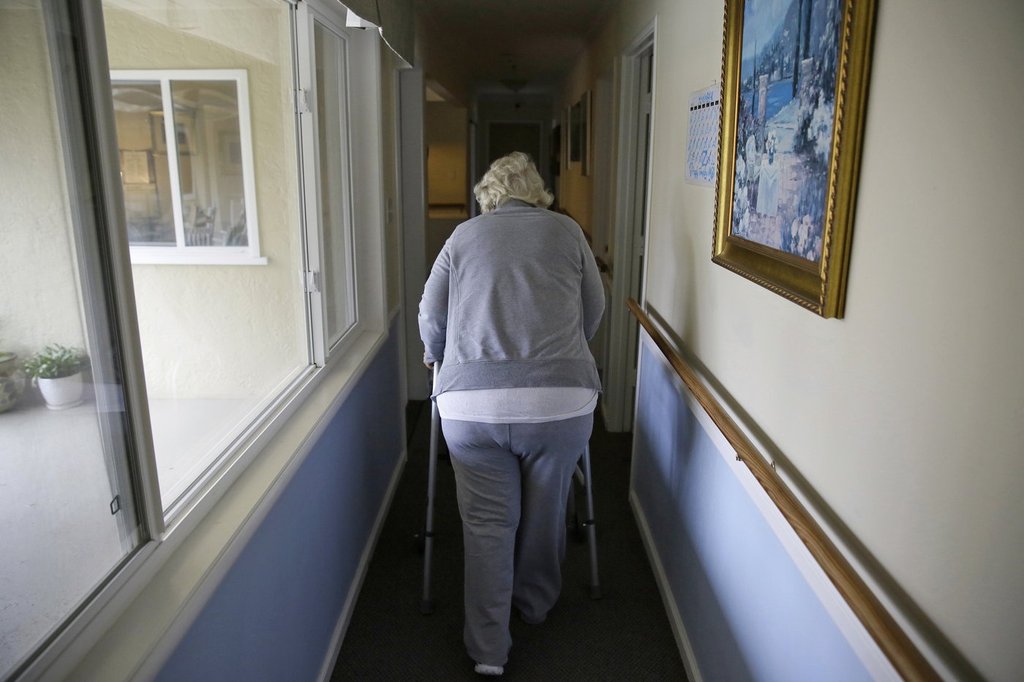
If you're trying to find a long-term care bed for an aging parent in British Columbia right now, you already know the system is drowning. You don't need a corporate press release to tell you that waitlists are long and staff are run off their feet.
The BC Care Providers Association (BCCPA) just dropped a massive reality check on the provincial government, and the numbers are ugly. Long-term care vacancies in BC spiked by 42% between 2019 and 2024. Turnovers for last year topped 10% in dozens of care homes. We aren't just short on beds. We're running out of the actual human beings required to look after our parents and grandparents.
This isn't a future problem. It's happening right now in 2026, and the fixes the province has tried simply aren't working.
The Math Behind The Meltdown
The province launched a five-year health human resources strategy back in 2022. It's entering its final year, and seniors' care has basically been left in the lurch.
BCCPA Chief Executive Officer Mary Polak put it bluntly. There's significant uncertainty about how the workforce shortage gets solved. Right now, 19% of BC seniors are living with highly complex chronic conditions. Another 5% have a dementia diagnosis. The care needs are getting heavier, but the workforce is shrinking.
When you look at other provinces, BC is falling behind fast. Alberta and Ontario have committed to targeted, year-over-year investments to hit a specific national benchmark: an average of four hours of direct care per resident every single day. BC isn't hitting that mark.
Why? Because the money isn't following the demand. Last year, the provincial government yanked $34.6 million in pandemic-era staffing top-ups that facilities used to cover overtime and agency workers. The Ministry of Health called it temporary relief. Care home operators called it a disaster. That funding cut alone put up to 764 long-term care beds and 138 assisted living suites at risk of shutting down entirely because operators can't safely staff them when regular employees get sick or take a vacation.
Paused Projects And Compound Interest
The problem gets worse when you look at the physical infrastructure. The provincial budget paused seven major long-term care construction projects across BC—including planned facilities in Chilliwack, Abbotsford, Delta, and Kelowna. The province wants to review building costs, but delaying these builds means hundreds of families are stuck waiting for placements that aren't coming anytime soon.
If you think you can just bypass the facility gridlock by keeping your family member at home, the province made that harder too. Recent changes to the BC Property Tax Deferment Program mean that anyone choosing to defer taxes from this year onward will see their balance grow via compound interest rather than the old simple interest model.
That chips away at home equity much faster. That's equity that families frequently rely on to pay for private home health care or to fund a transition into private assisted living when the public system fails them.
The Action Plan To Save BC Senior Care
We can't just keep complaining about the shortages. The BCCPA's new report, A Roadmap for B.C.’s Seniors Care Workforce, details exactly what needs to change immediately to stop the bleeding.
Modernize The Funding Model
The province needs to stop funding care homes based on outdated metrics. The financial model must reflect the actual, modern cost of providing person-centered care. This includes fully funding the wage increases negotiated in Health Employers Association of BC (HEABC) collective agreements so operators aren't forced to cut staff to balance budgets.
Mandate Four Hours Of Direct Care
BC needs to match Alberta and Ontario by guaranteeing a funded average of four hours of direct care per resident per day. This requires an immediate injection of targeted cash specifically earmarked for frontline hiring, recruitment bonuses, and retention initiatives to drop that 10% turnover rate.
Give Families A Refundable Tax Credit
If the province can't build the long-term care beds fast enough, they need to help people age in place safely. The government should establish a refundable tax credit to offset the out-of-pocket costs of self-funded home health services and independent living supports. This keeps seniors out of hospital beds and delays the need for institutional care.
Leverage Non-Government Operators
The province needs to swallow its pride and work with the affiliate and non-government sectors. Private and non-profit operators deliver the majority of care in BC. The government should partner with these affiliate providers to align training placements directly with current local vacancies, getting care aides onto the floor where they're needed most.
If the provincial government refuses to build these targeted strategies into the upcoming budget, we're going to see thousands of older adults left without the basic care and dignity they deserve.
If you are currently managing care for an older relative, stop waiting for public waitlists to clear out. Sit down with your family now. Map out your financial options, look into available home health subsidies through your local health authority, and get a realistic backup plan in place before a medical emergency forces your hand.


