The fluorescent lights of an American high school hallway usually hum with a mundane kind of anxiety. Midterms, locker combinations, the awkward shuffle of changing classes. But lately, the hum carries a heavier current. It is an electric friction generated when the private sanctuary of a family collides directly with the sprawling machinery of public education.
Consider what happens next: a press release drops from Washington, and the local school board meeting transforms into a theater of ideological warfare.
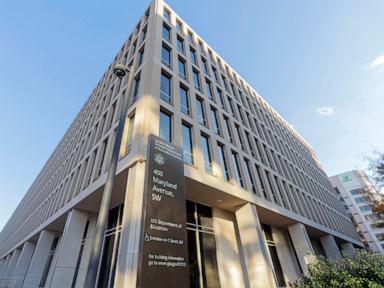
The U.S. Department of Education announced a formal investigation into two distinct public school systems, plunging them into the national spotlight. On one side of the map stands Denver Public Schools. On the other, the Bethel School District, located about an hour south of Seattle. These districts are separated by hundreds of miles, yet they are bound together by a single, volatile legal question. Did they cross a line that belongs exclusively to mothers and fathers?
The federal inquiry centers on potential violations of federal privacy laws, specifically the Protection of Pupil Rights Amendment. This statute gives parents the legal right to opt their children out of school surveys, analyses, or evaluations that touch upon deeply personal topics like sexual behavior, psychological secrets, or intimate family attitudes.
In Denver, the allegation is stark and jarring. Federal officials are examining claims that a high school teacher required students of the same sex to participate in a classroom kissing exercise. For a parent dropping their teenager off at the front doors, trusting that the curriculum will stick to mathematics and literature, the thought of such an exercise is a visceral shock.
The machinery of accountability moved swiftly in Colorado, though the wound left behind remains raw. District officials placed the teacher on administrative leave after students raised alarms. By May, the Board of Education voted to fire the instructor.
Spokesman Scott Pribble emphasized that the safety, emotional well-being, and dignity of students remain the absolute highest priorities of the district. Yet, an internal firing does not close the book when federal regulators decide to open their own investigation into systemic institutional oversight.
Meanwhile, thousands of miles away in Washington state, a different kind of flashpoint captured the crosshairs of federal attention. During Pride month celebrations at Graham-Kapowsin High School within the Bethel district, an exhibit was put on display. Among the items presented were small vials containing an unknown liquid, identified by concerns as testosterone, a substance commonly prescribed for gender-affirming care.
The reaction was immediate. School administrators maintained that the display was unauthorized. They removed the materials on the spot and handed the vials over to the Pierce County Sheriff Office. Whether the liquid inside those small glass containers was officially verified as a controlled substance became secondary to the symbolic weight of the exhibit. It touched a raw nerve in a country already deeply fractured over how gender identity and medical concepts are introduced to minors.
Frank Miller, director of the Student Privacy Policy Office at the Education Department, framed the administration's stance with absolute clarity. Parents must be the decision-makers in matters impacting the most intimate parts of their children lives, he stated.
That sentence serves as the ideological bedrock for a sweeping campaign. Timed deliberately around National Parents Day, the Department of Education rolled out a series of significant actions targeting school policies nationwide. This is not an isolated bureaucratic review. It forms a chapter in a much larger federal strategy under the Trump administration, which has opened dozens of investigations into public school accommodations for LGBTQ+ students.
Past actions have scrutinized school districts that allow transgender students to use bathrooms aligning with their gender identities, with Denver itself previously accused of violating Title IX protections. Federal officials have similarly targeted districts that maintain the confidentiality of a student's chosen gender identity, arguing that keeping secrets from mothers and fathers violates fundamental parental rights.
For local administrators, the pressure is suffocating. They sit at the epicenter of a cultural earthquake, trying to balance the legal protections of marginalized students against the vocal demands of parents who demand absolute transparency and veto power over sensitive topics.
The Bethel School District noted that it is currently reviewing its protocols for overseeing displays, hoping to ensure all school materials strictly align with community expectations. But community expectations are rarely monolithic. What one parent views as an inclusive and vital acknowledgment of modern reality, another views as an aggressive intrusion into the private moral formation of their child.
The bells will ring again across Denver and Washington. Students will walk down those corridors, carrying their backpacks and their private struggles, largely unaware of the high-stakes legal chess match being played above their heads. But the friction remains. Every memo from Washington, every shattered trust in a classroom, and every empty vial handed over to local law enforcement deepens the trench between the home and the schoolhouse.