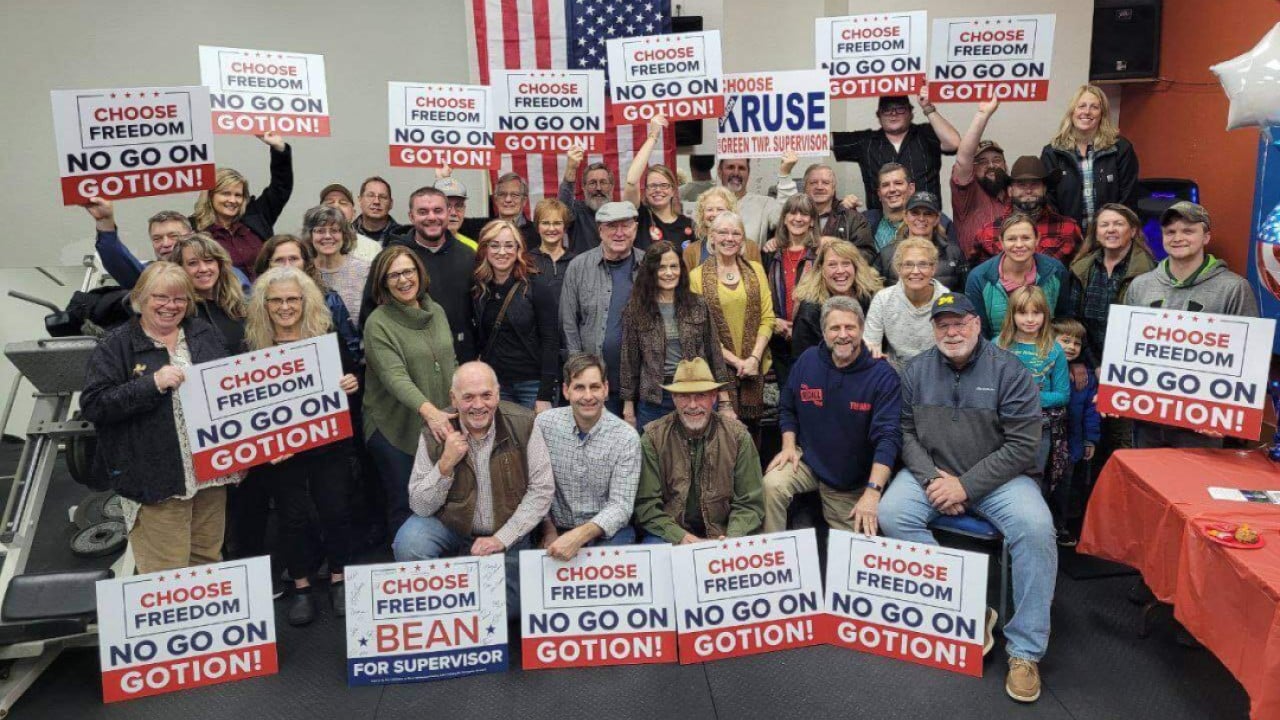
Small towns usually dream of multi-billion-dollar investments. When a massive global corporation promises thousands of jobs to an area struggling with poverty, local leaders typically roll out the red carpet. That didn't happen in Green Charter Township, Michigan. Instead, a proposed $2.36 billion electric vehicle battery parts factory became a political nightmare that fractured a community, unseated an entire local government, and left a tiny municipality facing financial ruin.
The collapse of the Gotion Inc. project shows what happens when national security anxieties, local activism, and global corporate ambitions collide in rural America. It wasn't just a business deal that fell through. It was a localized civil war that left everyone poorer.
The multi billion dollar promise that tore a community apart
Green Charter Township is a quiet community of about 3,200 people tucked away in Mecosta County, Michigan. It is the kind of place where people know their neighbors and life moves at a deliberate pace. It is also located in one of the poorest counties in the state.
In late 2022, state officials announced a massive economic win. Gotion Inc., a US subsidiary of the Chinese battery giant Gotion High-Tech, planned to build a gargantuan manufacturing plant near Big Rapids. The company promised to invest $2.36 billion and create 2,350 good-paying jobs. To a region needing an economic jolt, it looked like a lifeline.
The state government went all in. Democratic Governor Gretchen Whitmer championed the project. State lawmakers quickly approved $175 million in direct incentives. Economic development agencies bought up hundreds of acres of land to clear the way for construction.
Local officials in Green Charter Township initially embraced the plan. They saw tax revenue. They saw a future for young people who usually move away to find work. Township Supervisor Jim Chapman and the rest of the board voted to support the project, believing they were securing the town’s future. They had no idea they were signing their own political death warrants.
When global politics lands on your doorstep
The opposition started small but grew with terrifying speed. What began as localized environmental anxiety quickly transformed into a national security flashpoint. Neighbors worried about the massive amount of water the plant would consume and the potential impact on local wetlands. Then they looked into Gotion’s corporate parent.
Gotion High-Tech is headquartered in Hefei, China. Critics quickly pointed out that the company’s corporate bylaws included pledges of loyalty to the Chinese Communist Party. For many residents, this changed everything. The idea of a Chinese-owned company setting up a massive industrial footprint in their backyard felt less like economic development and more like a foreign invasion.
The fact that the proposed site sat roughly a hundred miles from Camp Grayling, a major US Army National Guard training facility, added fuel to the fire. National politicians noticed the growing anger. Republican lawmakers, including US Representative John Moolenaar, took up the cause. They accused Gotion of having direct ties to forced labor and serving as a Trojan horse for Beijing.
The atmosphere in the town turned toxic. Church pews emptied because neighbors refused to sit next to each other. Longtime friendships ended over backyard fence arguments. Activists formed the Economic Development Responsibility Alliance to fight the project by any means necessary. Jim Chapman, the township supervisor, started attending public meetings wearing a bulletproof vest after receiving death threats. The quiet Midwestern town had become a pressure cooker.
The devastating cost of a local political coup
By late 2023, the anti-Gotion faction had organized a full-scale political revolt. They launched a recall election targeting five township board members who had supported the factory. The anger was palpable, and the results were decisive. Every single pro-Gotion official up for recall was swept out of office.
A new board, explicitly running on a "No Gotion" platform, took control of the township. They immediately moved to revoke the previous administration’s approvals and rescinded a resolution that would have connected the proposed plant to the city's water system. They thought they had won.
Instead, they walked straight into a legal buzzsaw. Gotion didn't just pack up and leave. The company sued Green Charter Township in federal court, arguing that the new board was breaching a contract. The legal battle dragged on for months, draining the township's modest resources.
The state level fight worsened too. While the local township fought Gotion in court, the state economic development apparatus kept trying to keep the project alive. This created a bizarre standoff where a tiny rural board was fighting both a multinational corporation and its own state government.
Why winning the fight might bankrupt the township
The anti-Gotion activists got their ultimate wish in late 2025. The Michigan Economic Development Corporation officially declared Gotion in default of its agreement. State officials cited a total lack of progress on the site, noting that no eligible development activities had occurred for over 120 days. The state terminated the contract and moved to claw back $23.6 million that had been disbursed for land acquisition.
The factory is dead. The 2,350 promised jobs are gone. The land sits empty. For the activists, it was a historic victory against foreign corporate encroachment. But the financial hangover for Green Charter Township is just beginning.
Fighting a federal lawsuit is incredibly expensive. For a township with a small annual operating budget, legal fees can wipe out funding for basic services like road repair, fire protection, and local policing. The new board members found themselves spending hours in depositions and court hearings rather than managing the town.
Even with the project canceled, the legal entanglements don't disappear overnight. Gotion's attorneys blamed the local litigation and political hostility for blocking their ability to make progress on the site. The township still faces residual legal threats and the massive financial burden of the past few years of conflict.
The real lesson of the factory battles
The Gotion disaster isn't an isolated incident. Similar battles are playing out across the United States as the country tries to build up its domestic green energy supply chain. From Illinois to Georgia, local communities are pushing back against large-scale industrial projects, especially those with ties to foreign capital.
The mistake made in Michigan was a total failure of early transparency. State economic officials worked behind closed doors for months before presenting the deal to the public as a fait accompli. They assumed the promise of jobs would override any geopolitical or environmental concerns. That calculation was flat wrong.
When you hide the details of a massive project from the people who have to live next to it, you guarantee a backlash. By the time the public found out about Gotion, suspicion had already taken root. Once a local issue gets sucked into national partisan politics, rational compromise becomes completely impossible.
Townships thinking about courting major industrial developments need to change their playbook immediately. You can't just court the executives and the governor. You have to talk to the people down the street before the first shovel hits the dirt.
If you are a local leader facing a similar situation, do not sign non-disclosure agreements that prevent you from informing your constituents. Demand absolute transparency regarding corporate ownership and environmental impacts from day one. Hold open town halls before any binding votes take place. If you don't build community trust early, you might find yourself out of a job, and your town might find itself broke.
:max_bytes(150000):strip_icc():focal(749x0:751x2)/chrissy-teigen-wren-split-071723-6256dab1033241bca6a15fdcd0f5c26a.jpg)

