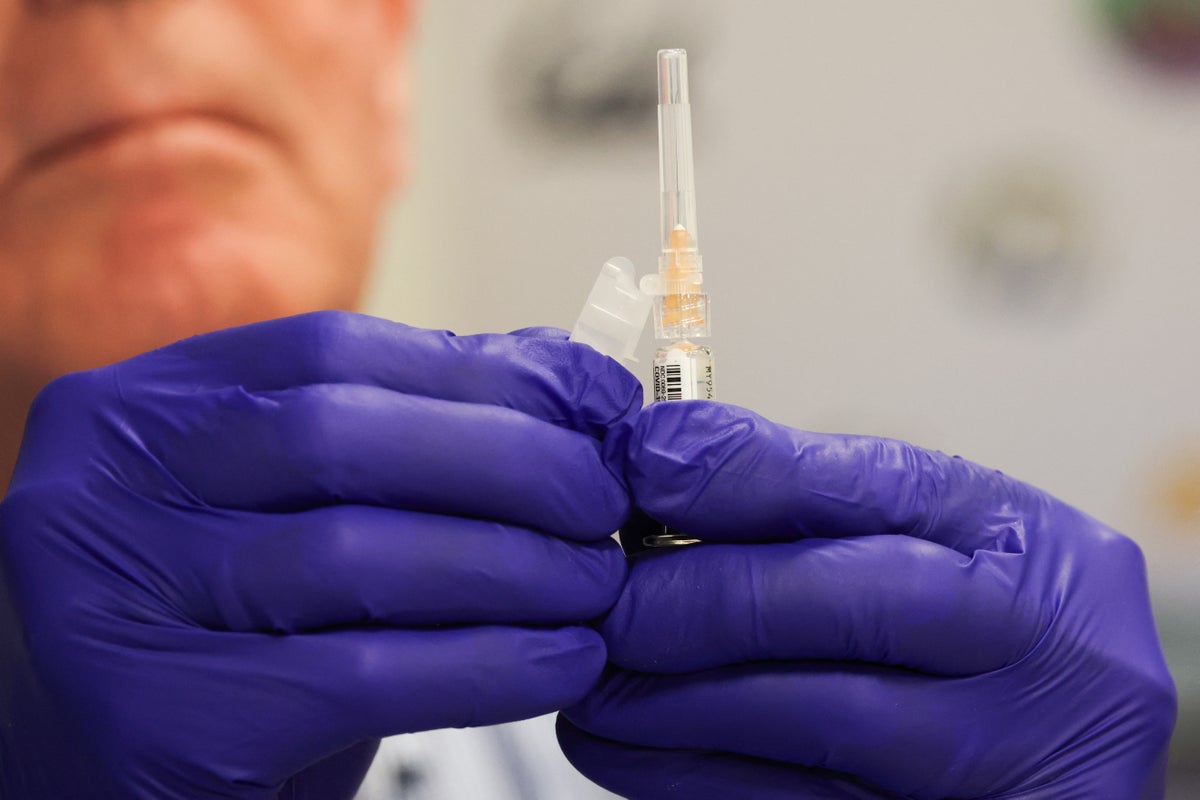
Hundreds of children in Bangladesh are dying from measles, a tragedy fueled by a breakdown in the country's immunization infrastructure. While measles is entirely preventable, the intersection of political upheaval and a radical shift in vaccine procurement has created a lethal gap in public health coverage. The interim government, led by Muhammad Yunus, is now facing intense scrutiny as data suggests that changes in how the state acquires and distributes life-saving doses have left millions of infants vulnerable to a virus that does not wait for bureaucratic stability.
The crisis did not emerge in a vacuum. For decades, Bangladesh was a global poster child for successful immunization programs. However, recent months have seen a sharp decline in the "cold chain" efficiency—the temperature-controlled supply chain required to keep vaccines viable. When procurement policies were overhauled to prioritize cost-cutting and new vendor relationships, the established flow of the Expanded Program on Immunization (EPI) hit a wall.
The Mechanics of a Public Health Collapse
Measles is one of the most contagious diseases known to science. To prevent an outbreak, a population requires a "herd immunity" threshold of roughly 95%. When vaccination rates dip even slightly, the virus finds the cracks. In the current Bangladeshi context, the dip hasn't been slight; it has been a canyon.
The "why" behind the rising death toll is found in the logistics of the vaccine procurement change. Under the previous administration, procurement followed a predictable, if sometimes flawed, long-term contract system with established international suppliers and Gavi, the Vaccine Alliance. The transition to the Yunus-led interim government brought a mandate for transparency and a re-evaluation of all state contracts to purge corruption. While noble in theory, the administrative pause required to audit these contracts stalled the arrival of fresh measles-rubella (MR) vaccine shipments.
In the world of infectious disease, a three-month delay in procurement is an eternity.
The Cost of Cold Chain Interruption
It is a common misconception that simply having a vaccine in the country is enough. The reality is far more fragile. Most vaccines must be stored between 2°C and 8°C. If the temperature fluctuates because of a poorly managed transition to new logistics providers, the vaccine loses its potency.
Reports from rural health clinics in districts like Sylhet and Chittagong suggest that even when doses were available, their efficacy was in doubt. Investigative leads indicate that the new procurement guidelines prioritized local distributors who lacked the specialized refrigerated transport fleets held by the previous, albeit politically connected, contractors.
Thermal instability leads to "silent" failure. A child is injected with what the parent believes is a shield, but is actually just a neutralized liquid. By the time health officials realize the batch was compromised, the virus is already moving through the community.
Bureaucracy Versus Biology
The interim government’s focus on reform has inadvertently created a vacuum in the Ministry of Health and Family Welfare. Experienced civil servants who managed the intricate dance of the EPI for years were sidelined or removed during the political transition. They were replaced by academics and reformers who, while experts in their fields, lacked the "institutional memory" required to navigate the global vaccine market.
This isn't just about politics; it's about the physics of a pandemic.
$R_0$ (the basic reproduction number) for measles is estimated to be between 12 and 18. This means a single infected individual can pass the virus to up to 18 unprotected people. Compare this to the $R_0$ of the original COVID-19 strain, which was approximately 2 to 3.
$$R_0 = \tau \cdot c \cdot d$$
In the equation above, $\tau$ represents the transmissibility, $c$ the contact rate, and $d$ the duration of infectiousness. In the crowded urban slums of Dhaka or the remote villages of the delta, the contact rate ($c$) is naturally high. When the vaccination rate drops, the number of susceptible individuals increases, and the virus spreads with mathematical certainty.
The Misalignment of Reform and Urgency
Critics of the Yunus administration argue that the government treated vaccine procurement like any other commodity—similar to coal or grain. But vaccines are a biological product with an expiration date and a direct correlation to child mortality.
The shift in procurement was intended to break monopolies. The intent was to allow more competitive bidding and reduce the influence of "syndicates" that had dominated the health sector for fifteen years. However, the timing was catastrophic. By triggering these changes during the peak of a seasonal transition, the government left the gate open for a measles resurgence.
Overlooked Factors in the Outbreak
While the procurement change is the primary driver, other factors have exacerbated the death toll.
- Internal Displacement: Recent flooding and political instability have moved large populations into temporary shelters where hygiene is poor and social distancing is impossible.
- Malnutrition: A malnourished child is significantly more likely to die from measles complications like pneumonia or encephalitis. The economic stagnation during the transition period has spiked food prices, weakening the baseline health of the youngest citizens.
- Surveillance Gaps: The same administrative reshuffle that slowed procurement also handicapped the infectious disease surveillance network. Cases weren't being reported in real-time, preventing the "ring vaccination" strategies that typically contain small clusters.
The Global Implications of the Bangladesh Gap
The world looks to Bangladesh as a bellwether for South Asian public health. If the country that pioneered community-based healthcare can lose its grip on a basic pediatric vaccine, it signals a broader fragility in the global health security net.
International donors are now in a difficult position. They want to support the interim government's anti-corruption efforts, but they cannot ignore the body count. There is a growing push for "humanitarian carve-outs" in procurement reform—rules that ensure health supplies are exempt from the standard auditing pauses that affect other sectors of the economy.
The death of a child from measles is a policy failure. It is a failure of the manufacturer, the shipper, the auditor, and the minister. When the procurement chain was severed in the name of reform, the risk was shifted onto those who could least afford to carry it.
Correcting the Course
Fixing the crisis requires more than just buying more doses. It requires an immediate restoration of the specialized logistics network, regardless of the political optics of using previous vendors. The government must also launch a massive "catch-up" campaign to reach the children who missed their 9-month and 15-month doses during the transition period.
Transparency is necessary for a healthy democracy, but it should not be a suicide pact for the nation’s youth. The procurement protocols must be redesigned to prioritize speed and thermal integrity over pure fiscal austerity.
The data is clear. The virus does not care about the purity of a government's reform agenda. It only cares about finding an unprotected host. Every day the procurement debate continues without a resolution on the ground is a day the graveyard grows.
The interim government must decide if the cost of a cleaner contract is worth the life of a child. If the current trajectory continues, the "Yunus Reform" will be remembered not for its transparency, but for the resurgence of a disease the world thought Bangladesh had beaten.
Immediate action is the only ethical path forward. Restore the supply lines. Re-engage the experts. Vaccinate the children. Reach the 95% threshold or watch the progress of three decades vanish in a single season of fever and rash.