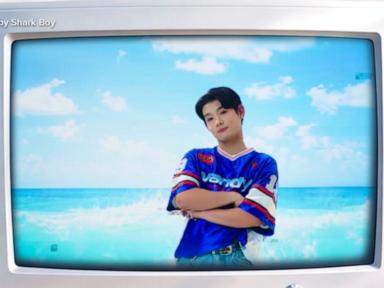
The internet loves a nostalgic gasp. Every few months, media outlets unearth a former child star from a viral video, frame their normal human maturation as a shocking anomaly, and wait for the collective comments section to implode with aging panic. The lazy consensus surrounding Park Geonroung—the young boy who anchored the 2016 Baby Shark video—is that his recent emergence as a K-pop soloist named Baby Shark Boy is merely a quirky internet footnote. Observers treat it like a bizarre collision of timelines, a cute novelty act engineered by a corporate machine trying to milk a seventeen-billion-view asset one last time.
They are missing the entire point.
This is not a meme surviving on life support. This is a masterclass in long-term intellectual property equity and generational audience capture. The Pinkfong Company did not accidentally stumble into a publicity stunt; they executed a textbook case of turning passive childhood viewing habits into active, lifetime consumer loyalty.
Let us look at the structural mechanics of modern digital fame. Most viral kids vanish. They are chewed up by the algorithm, spat out by the tabloids, and left to navigate normal adolescence with a digital footprint they never consented to. But the South Korean entertainment apparatus operates on a completely different plane of vertical integration. When Park was filmed at seven years old doing hand motions for an earworm derived from a 20th-century camp chant, nobody in that room was scripting a ten-year talent pipeline. Yet, when the IP exploded into the most-watched YouTube video in history, the machine adapted.
Instead of letting the human face of the brand fade into obscurity, they kept him in the ecosystem. Park cycled through subsidiary promotional groups like the Play With Me Club. He stayed visible. And now, at seventeen, he drops a digital single titled WAVE, featuring production choices and collaborations with heavy hitters like Monsta X's Joohoney, bridging the gap between toddler nursery rhymes and the hyper-competitive K-pop market.
Critics call it cynical. I call it structural genius.
Consider the demographics. The toddlers who bounced up and down to the looping shark family melody in 2016 are now teenagers entering high school. They are the exact prime demographic for contemporary K-pop. By launching Baby Shark Boy, the creators are executing a brilliant lifecycle pivot. They are taking an audience that has literally aged out of the nursery and offering them a nostalgic bridge to adulthood. It is the entertainment equivalent of a legacy brand repositioning its flagship product for an older cohort without losing its core identity.
The lazy narrative claims that nobody even heard Park sing on the original track—because the viral vocals actually belonged to another young singer named Hope Segoine. Commentators point this out like they have cracked an investigative journalism case. But that criticism fundamentally misunderstands branding. Park was never the vocal engine; he was the visual avatar. He was the anchor of the performance. By returning with his own voice, writing his own lyrics, and leaning directly into the absurd history rather than running away from it, he neutralizes the joke. You cannot mock a man for leaning into his own viral origin story when he is monetizing the transition with a major label backing him.
We have seen western child stars collapse under the weight of early internet fame because they tried to violently sever ties with the thing that made them famous. They rebel against the audience that built them, resulting in public relations disasters and creative dead ends. Park is doing the exact opposite. He is acknowledging that his past is a cheat code. He starts his new single with the unmistakable, ubiquitous melody before tearing into a modern electropop beat. It is an explicit message to the listeners: I am taking the equity we built together and spending it on my terms.
If you think this is a desperate gimmick, look at the numbers. Twenty-four million views on a anniversary teaser prove that the intellectual property still commands attention in ways traditional marketing departments would kill for. Brands spend decades and hundreds of millions of dollars trying to manufacture organic cultural stickiness. Pinkfong owned a built-in monopoly on childhood attention for an entire generation, and now they are harvesting the crop right as those consumers gain purchasing power and independent streaming habits.
Stop laughing at the gimmick. Start paying attention to the playbook.


